


 English
  中文简体
中文简体 

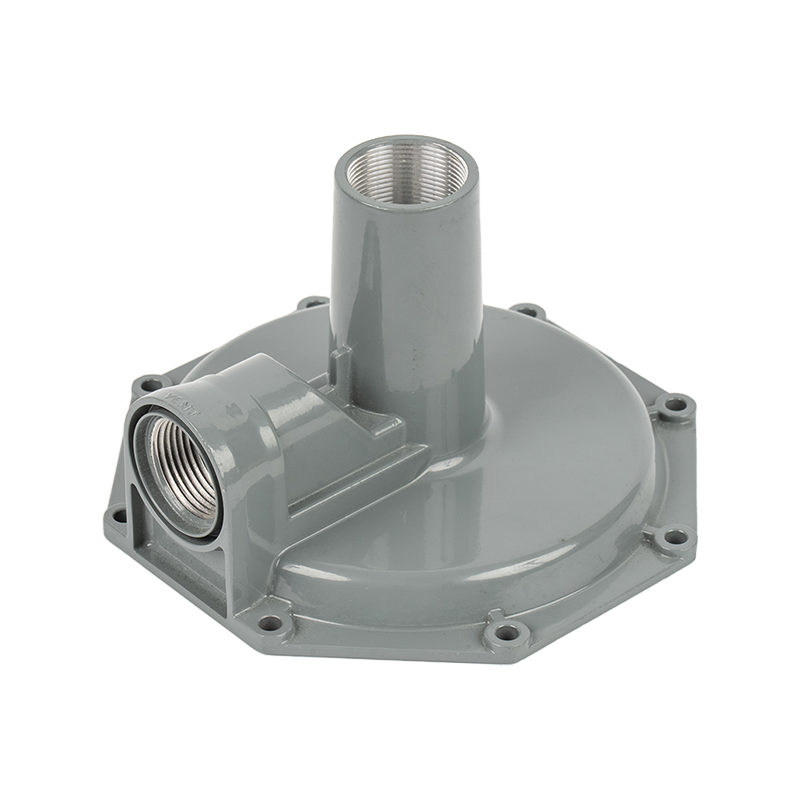
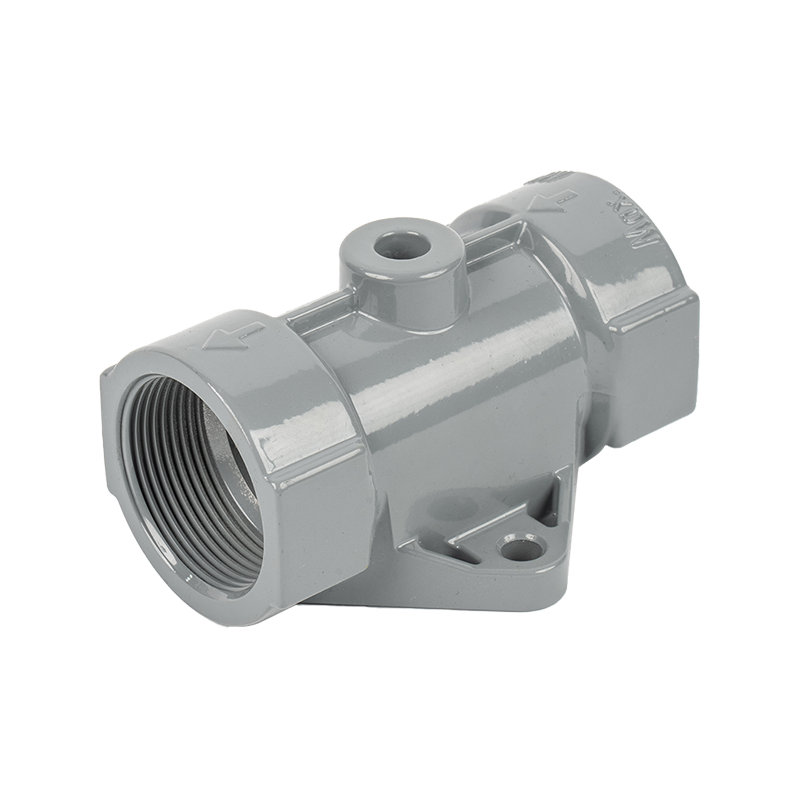
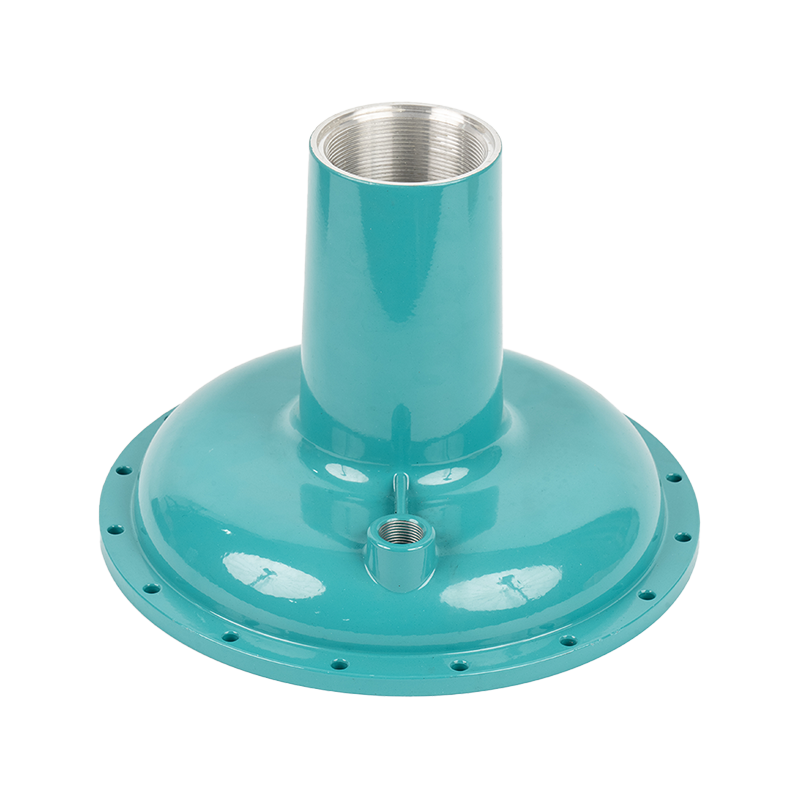
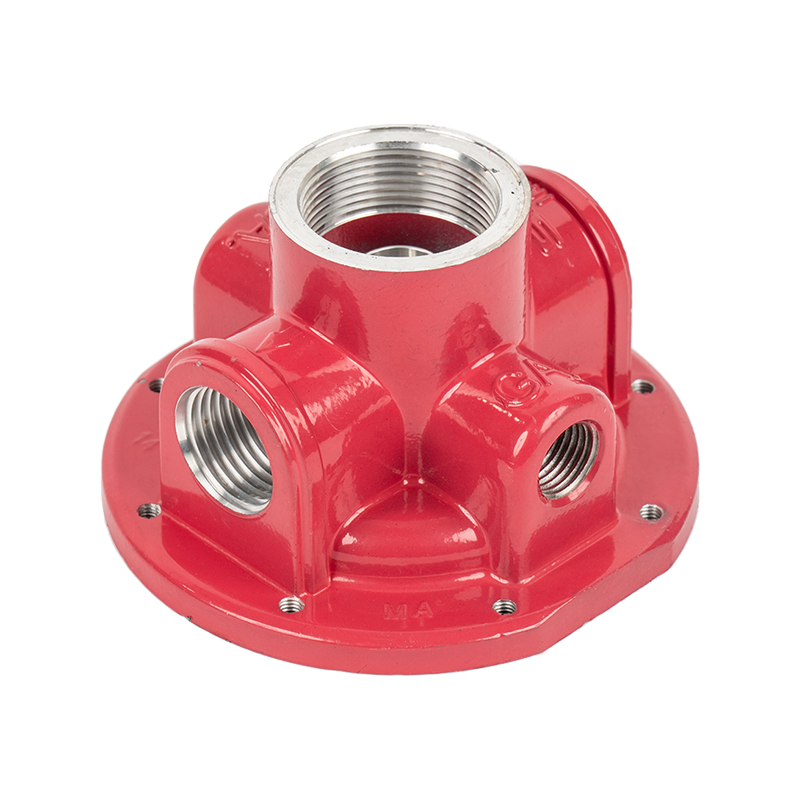
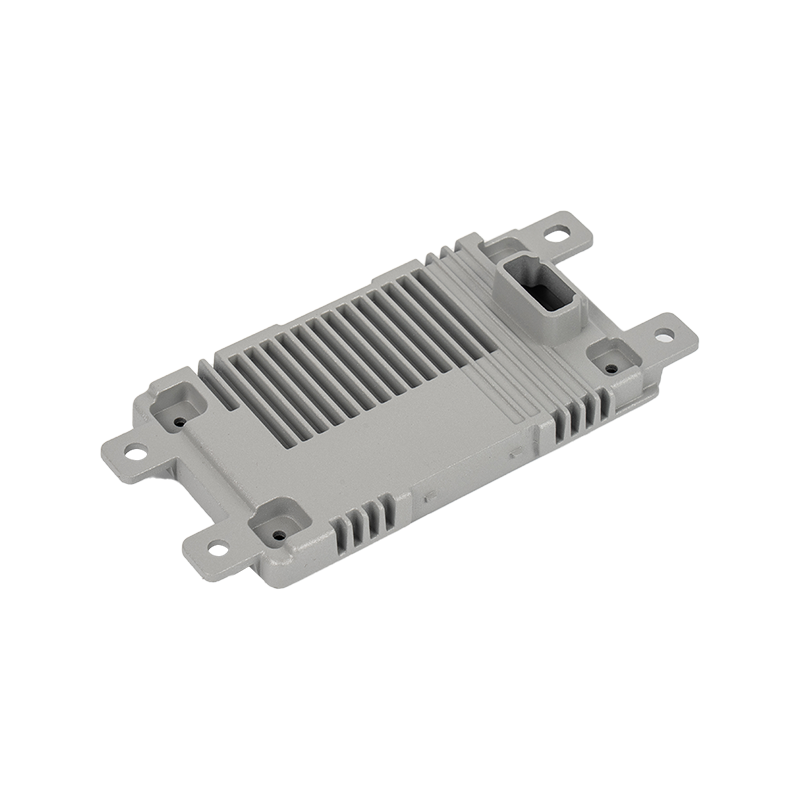
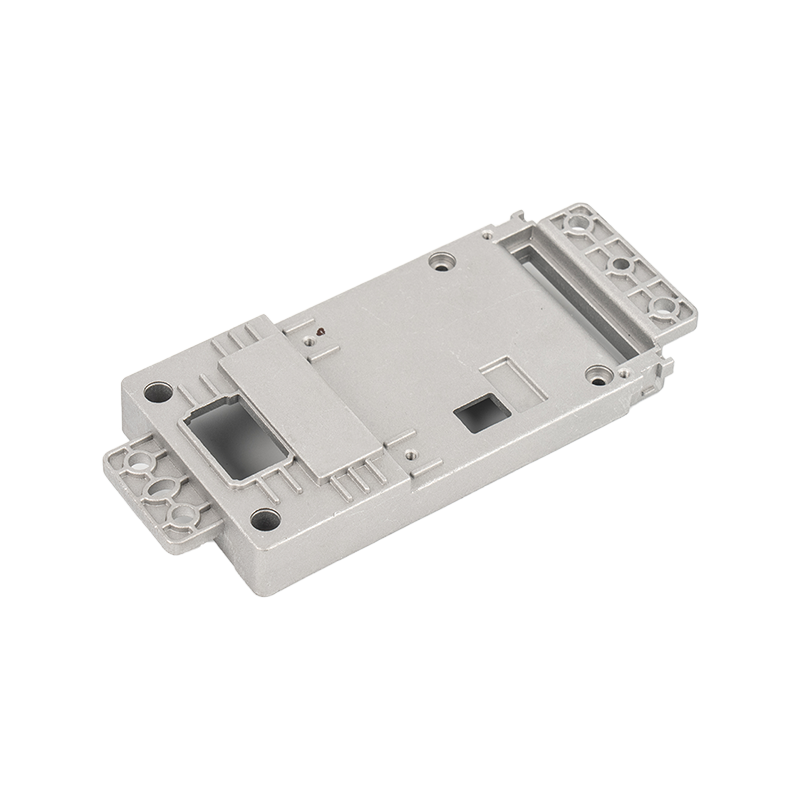
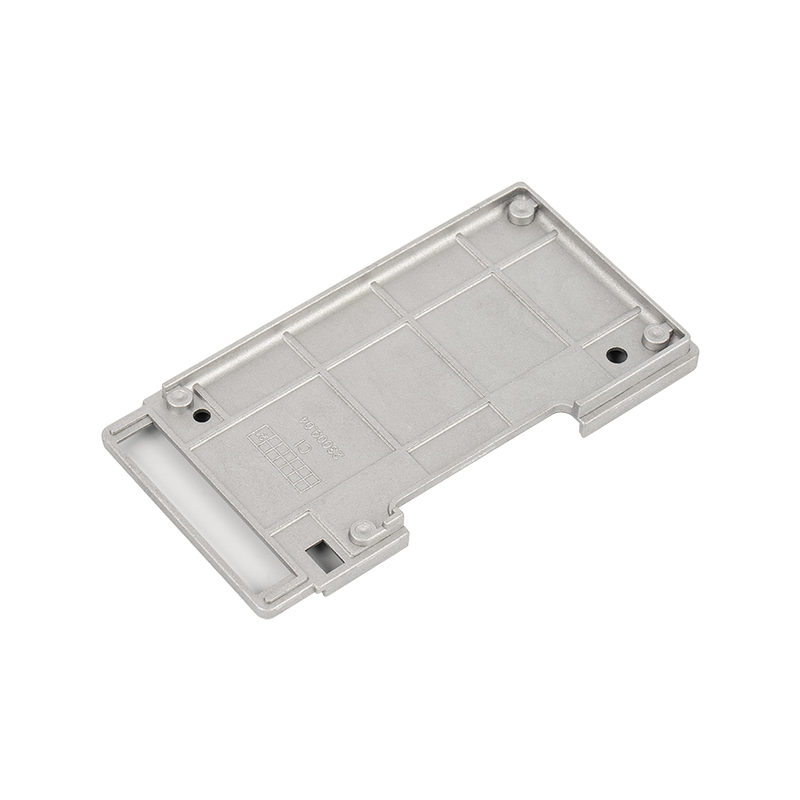
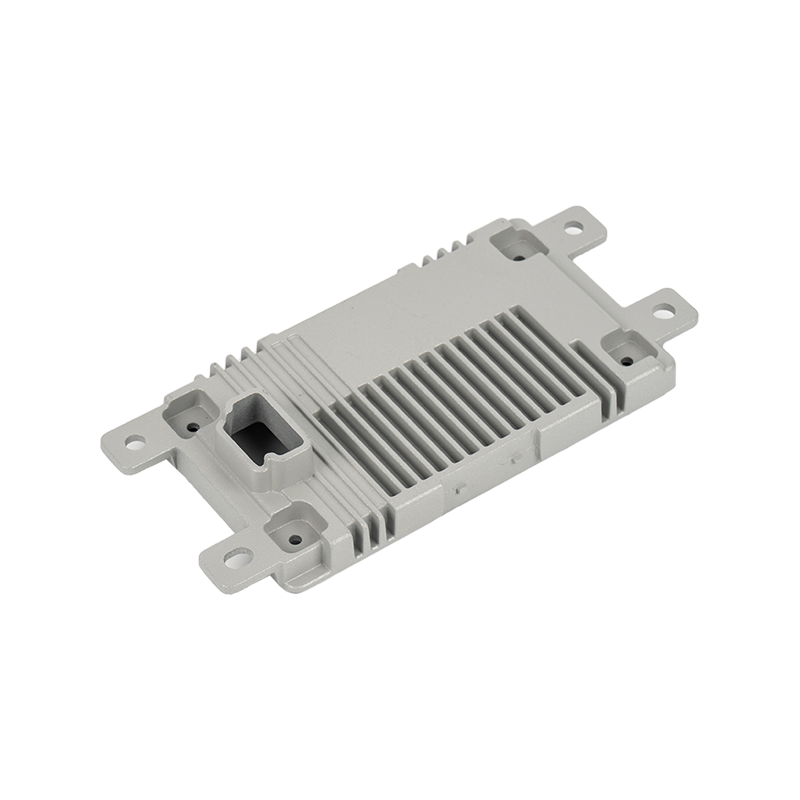
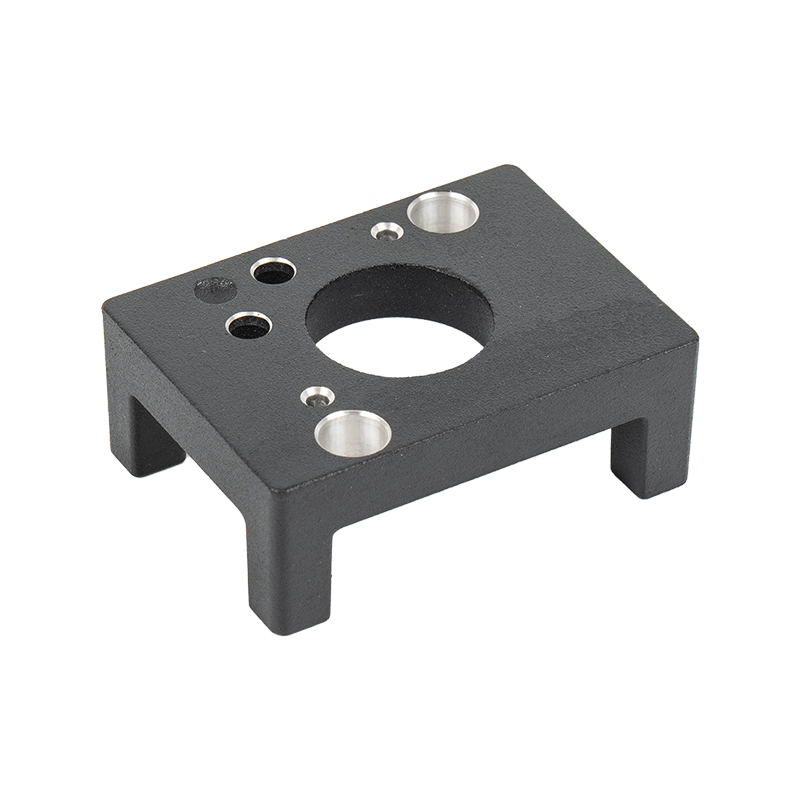
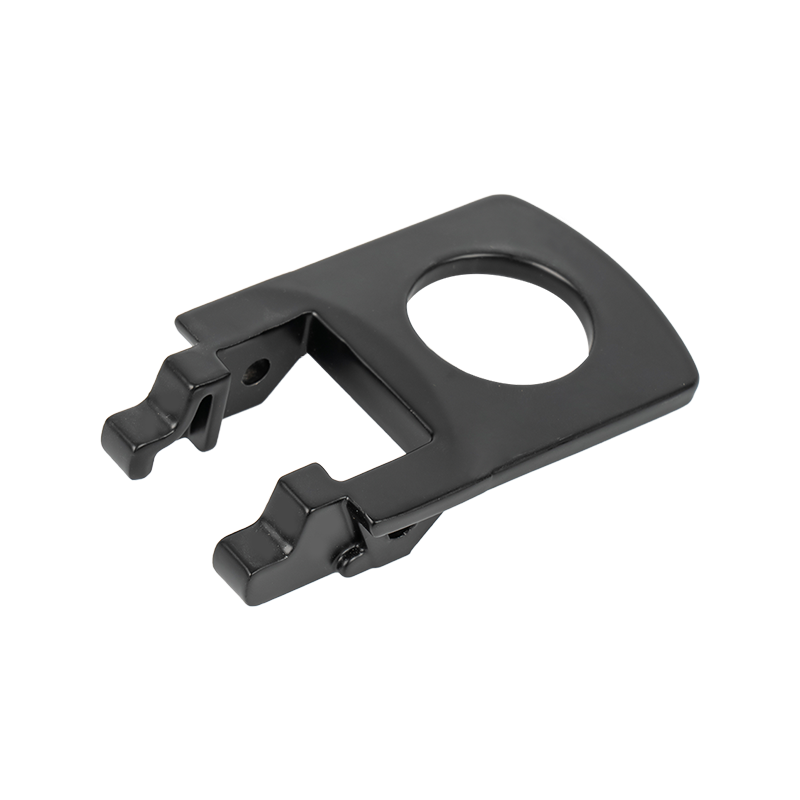
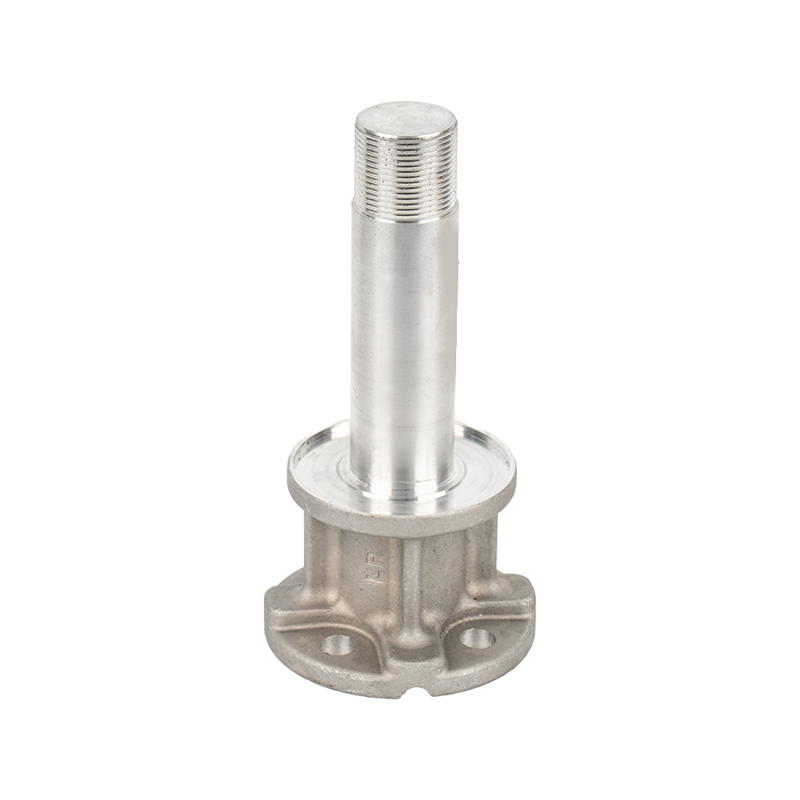
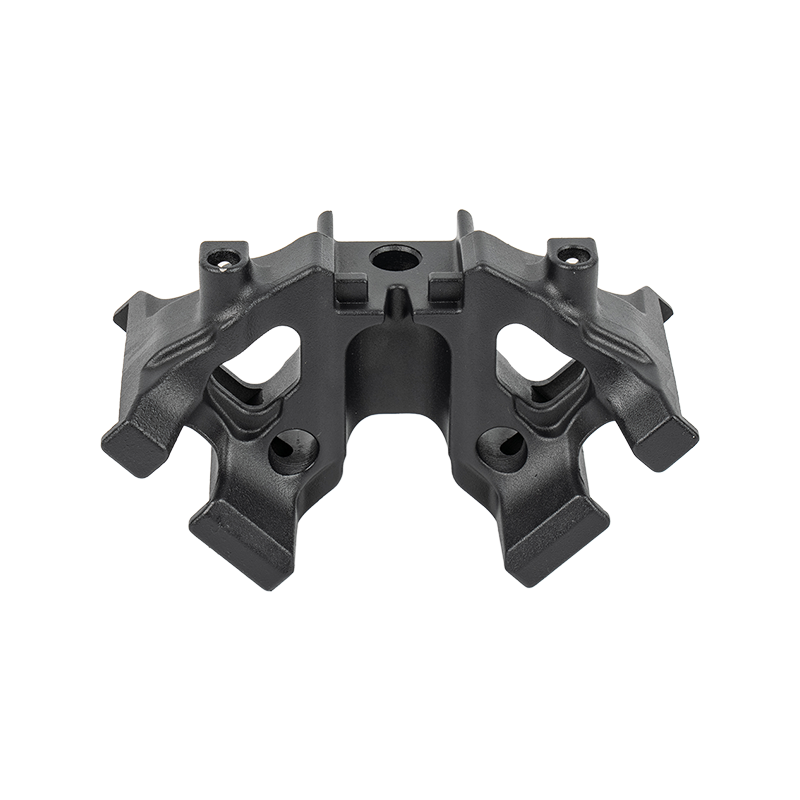
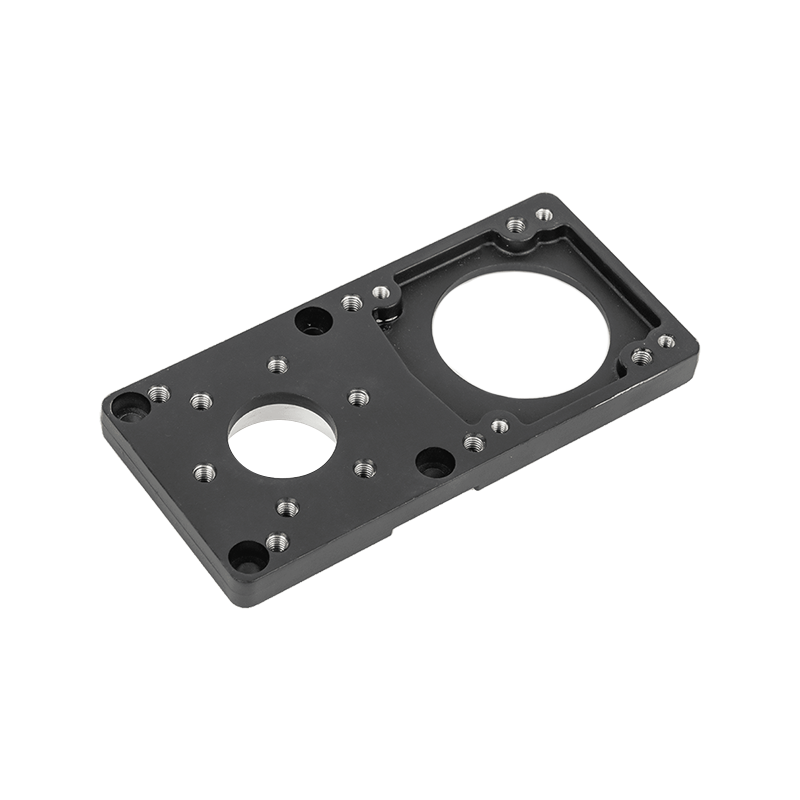
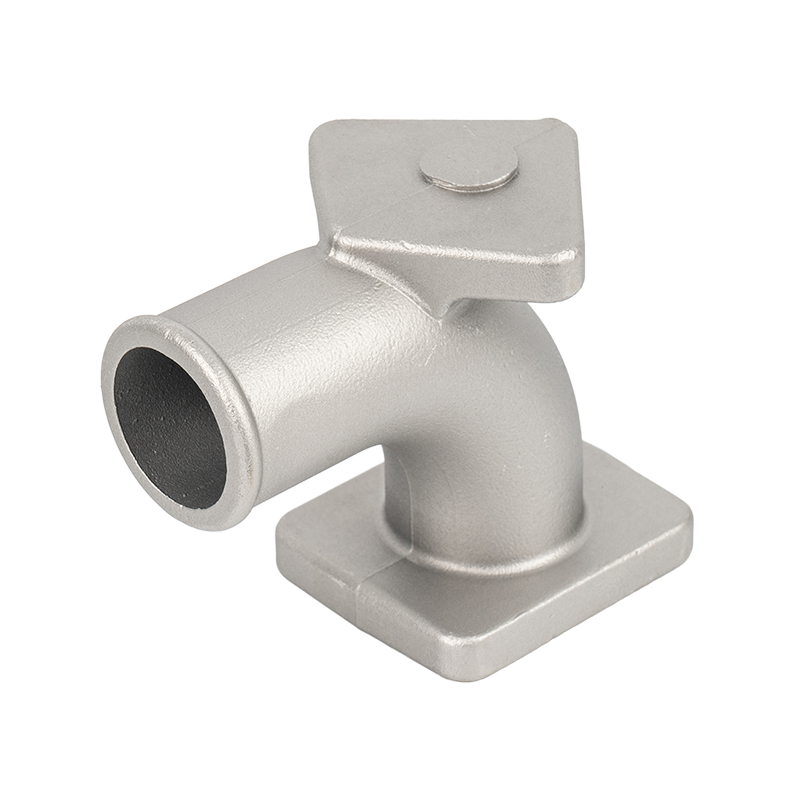
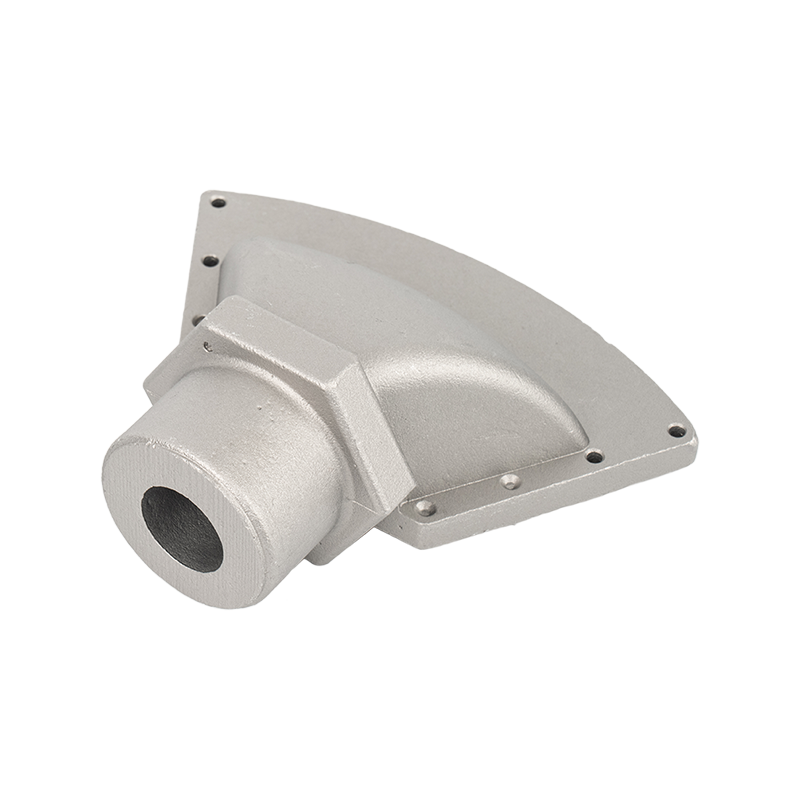
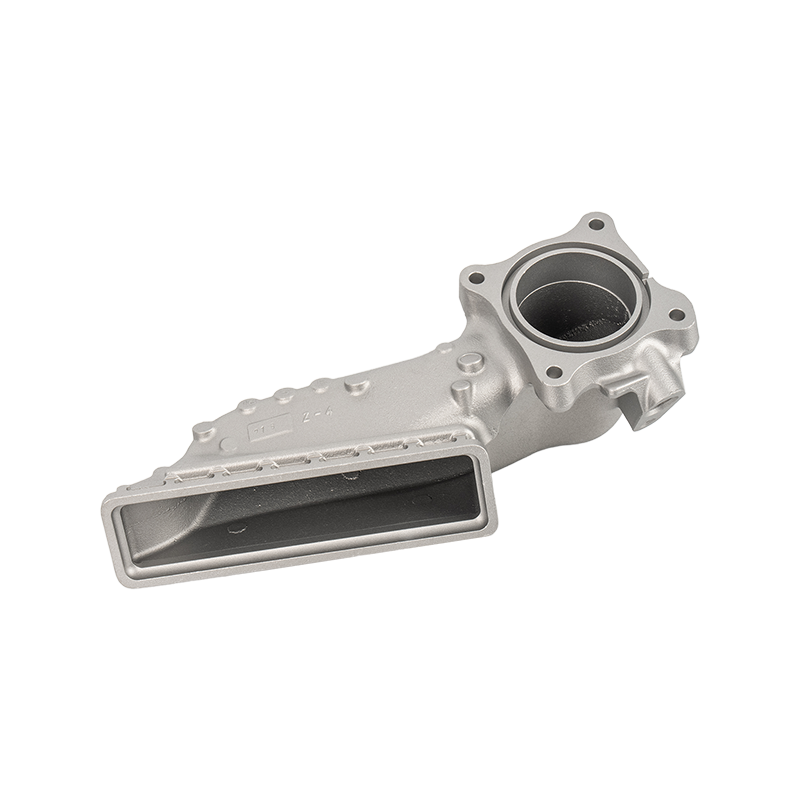
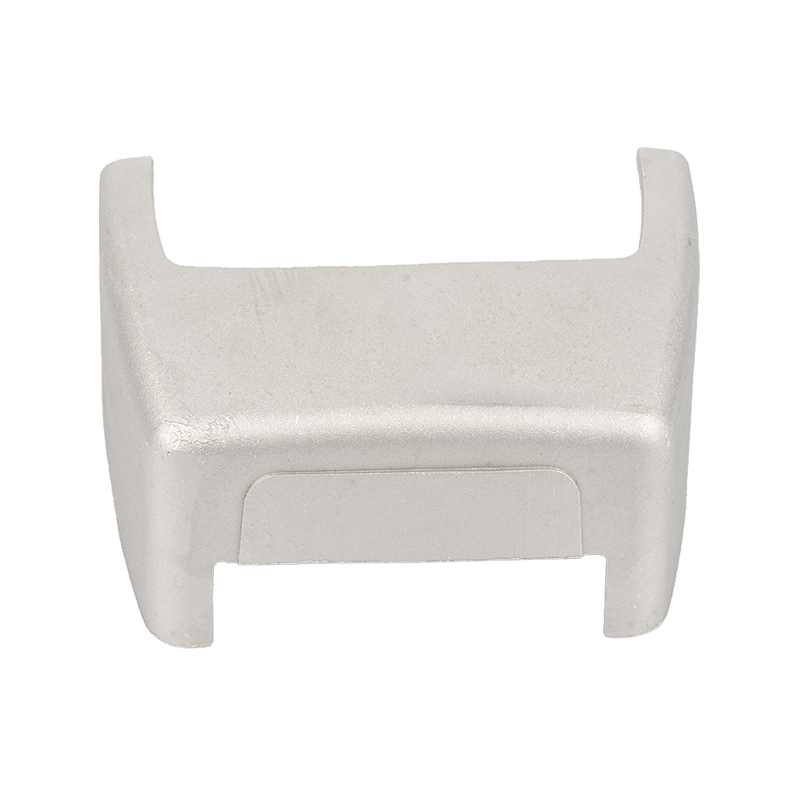
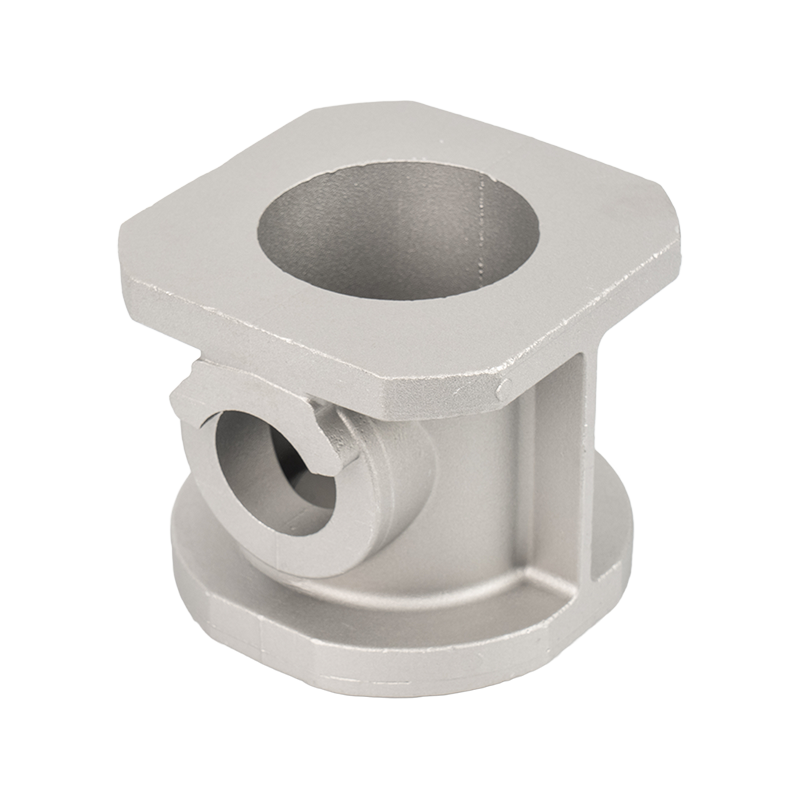
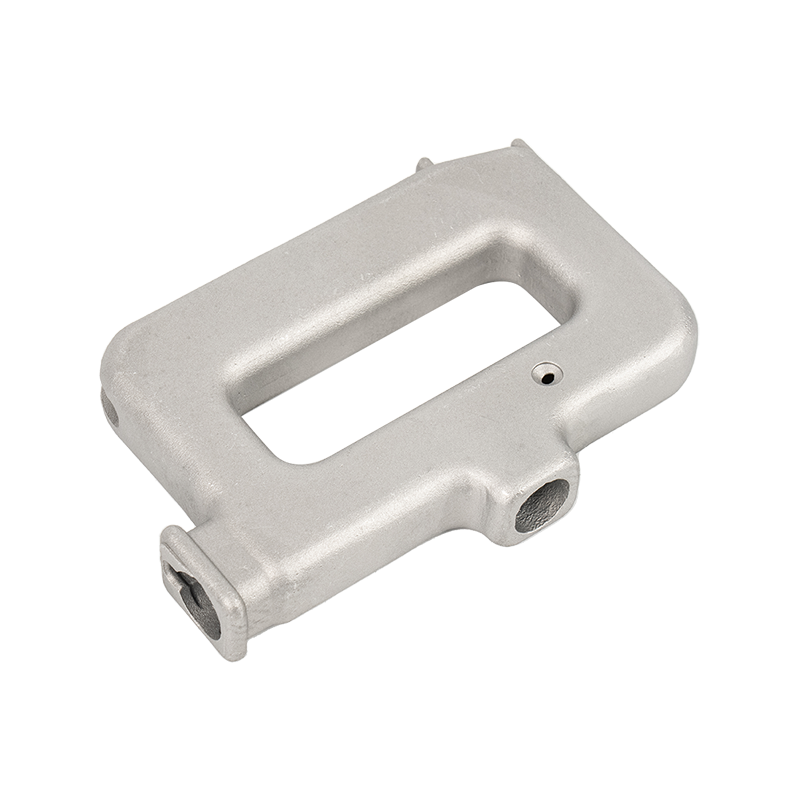
0
Founded in

Founded in

Floor area

Professional Staff

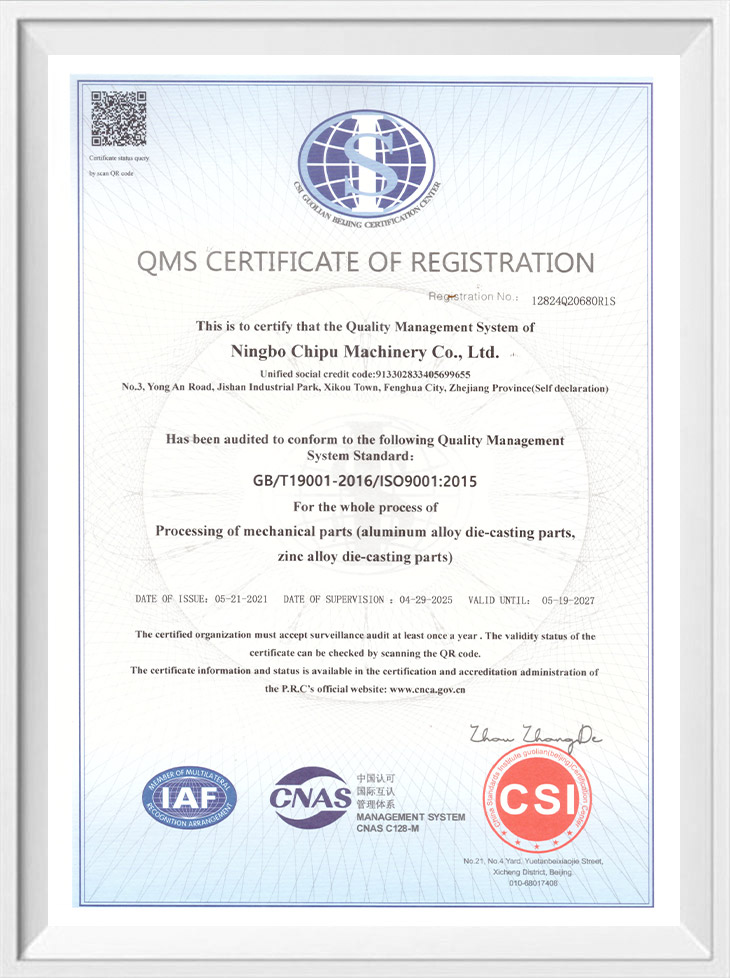
ISO 9001:2015 System Certification
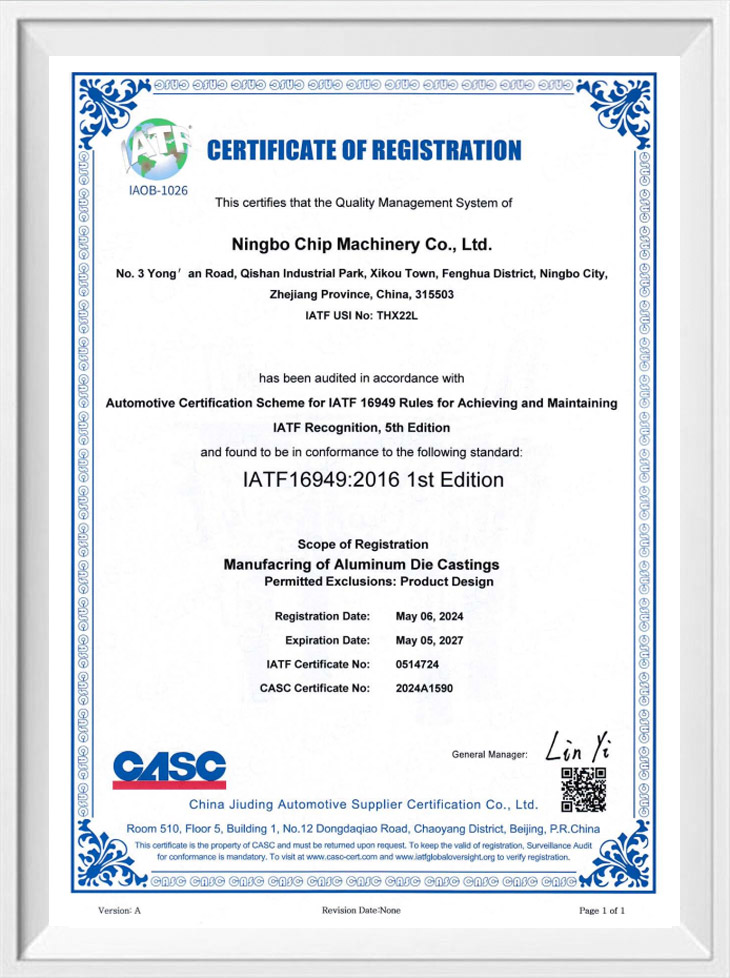
IATF16949:2016 System Certification

In the rapidly evolving landscape of global industrial manufacturing, the protection of sensitive electronic control units, high-torque motors, and precision pneumatic systems has become paramount. Enclosures serve as the primary defensive barrier against mechanical impacts, environmental contaminants, and extreme thermal fluctuations. The choice of engineering material and manufacturing methodology directly governs the operational lifespan and reliability of internal components, transforming what used to be a simple protective box into a critical component of system architecture.
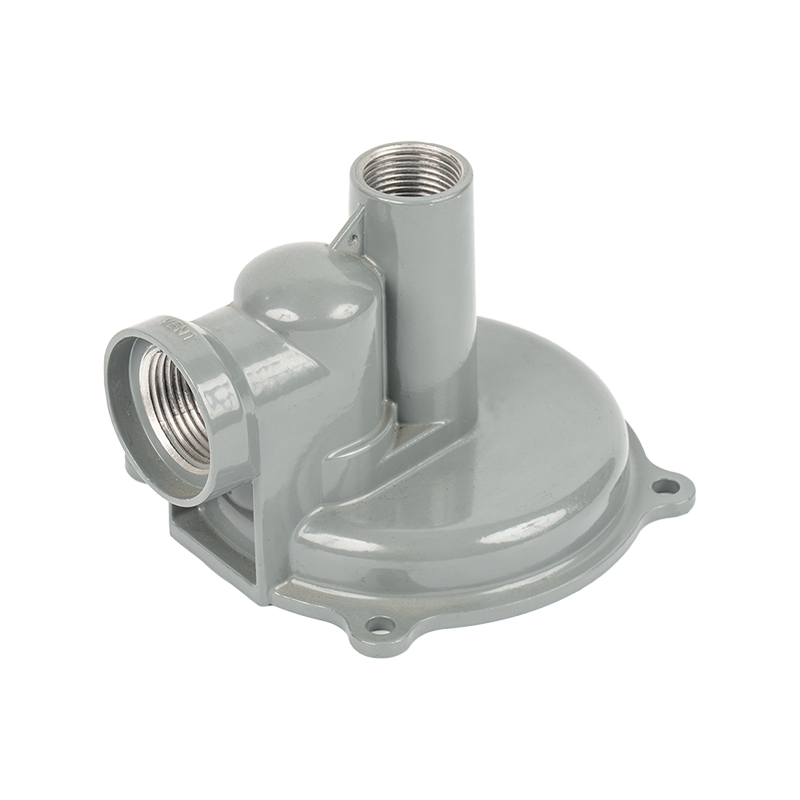
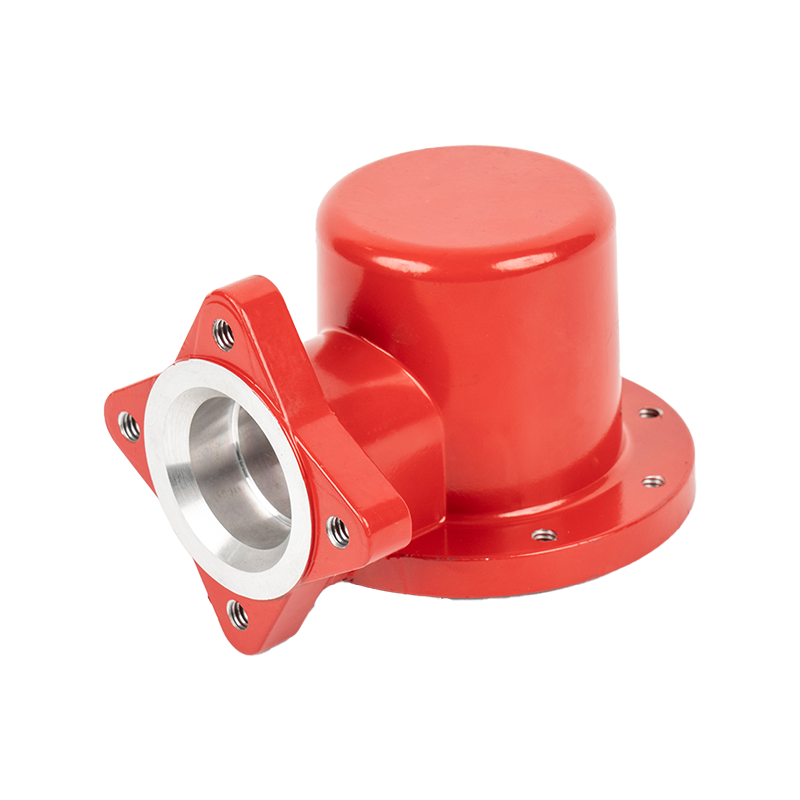
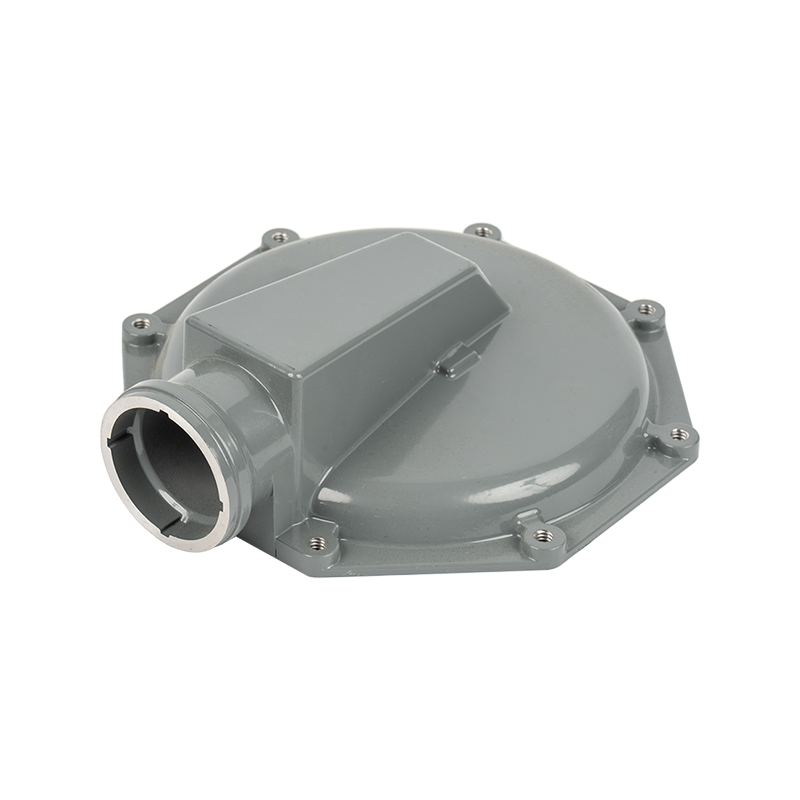
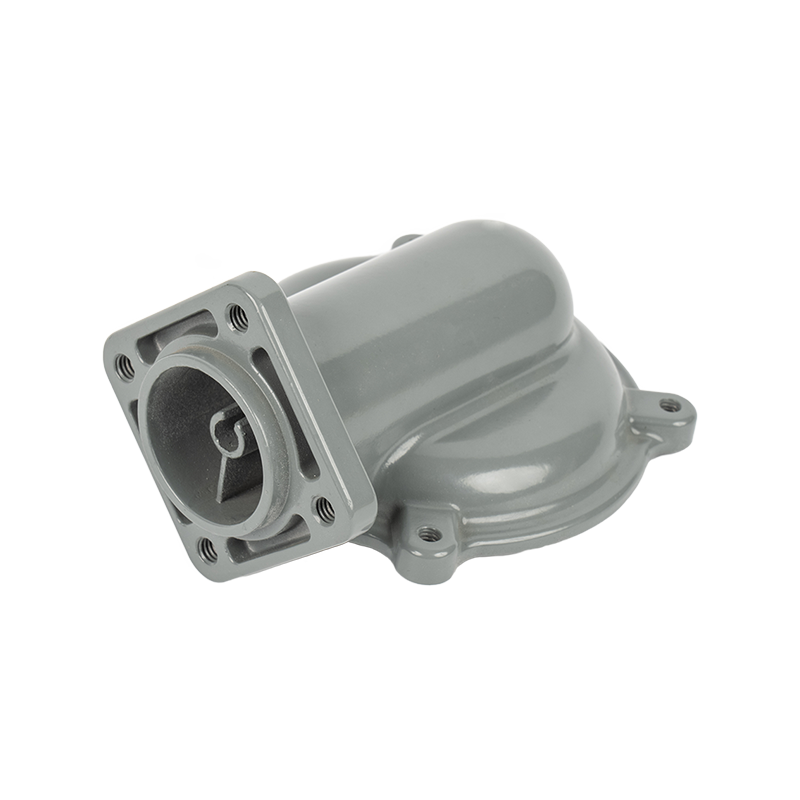
For high-performance applications, historical alternatives like plastics or sheet metal fabrication often fall short under severe mechanical stresses or intense thermal loads. This has driven global engineering sectors to rely heavily on advanced aluminum enclosures. Within this domain, two primary manufacturing categories dominate production strategies: standard cast aluminum housing and high-pressure die cast aluminium housing. Selecting between these methodologies requires a comprehensive understanding of production volume, dimensional constraints, and material density requirements.
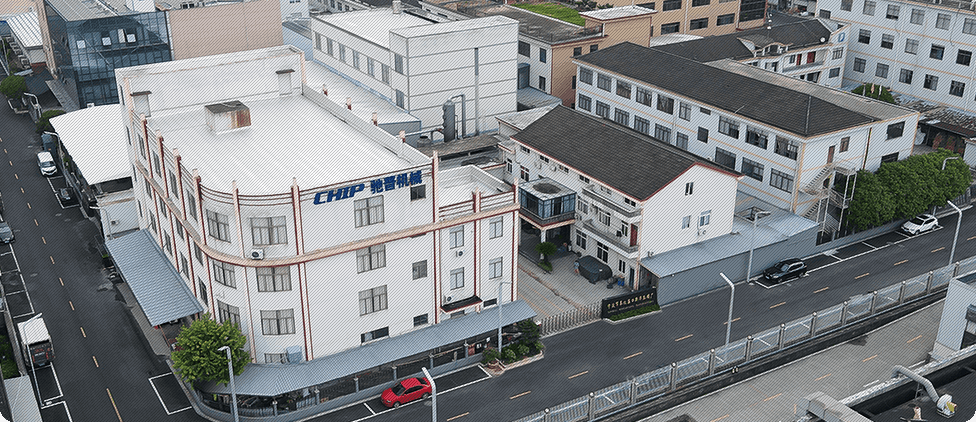
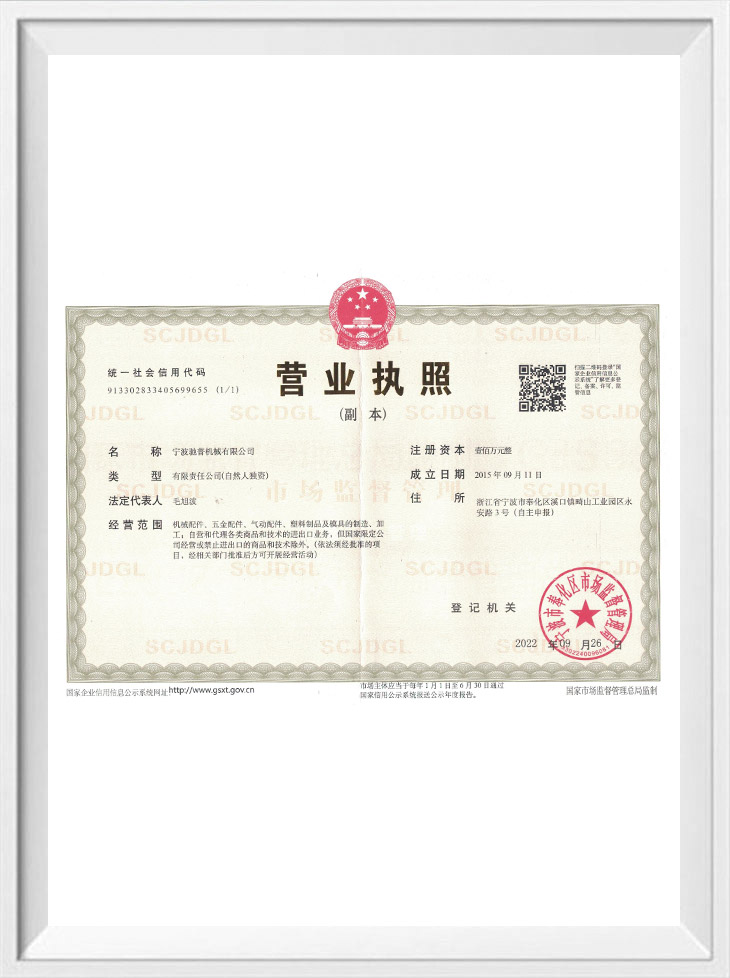
To contextualize these manufacturing standards, elite production facilities must hold rigorous quality frameworks to meet international market demands. For instance, NINGBO CHIP MACHINERY CO., LTD. operates within a 5,000 square meter advanced production facility, backed by ISO 9001:2015 and IATF 16949:2016 system certifications. These strict automotive and industrial quality management systems ensure that metal enclosures exhibit the microstructural uniformity required to survive hazardous, high-vibration, or heavy-duty operational environments across global markets.
To assist procurement managers and mechanical engineers in aligning design criteria with the appropriate casting methodology, the table below provides a technical performance comparison between standard casting techniques and precision high-pressure die casting.
| Technical Parameter | Standard Cast Aluminum Housing (Sand/Gravity Casting) | Die Cast Aluminium Housing (High-Pressure Die Casting) |
| Dimensional Tolerance | ±0.5 mm to ±1.0 mm (typical raw casting) | ±0.05 mm to ±0.15 mm (highly precise) |
| Minimum Wall Thickness | 3.5 mm to 5.0 mm | 1.5 mm to 2.5 mm (thinner, lighter cross-sections) |
| Surface Roughness (Ra) | 6.3 μm to 12.5 μm | 1.6 μm to 3.2 μm (smooth, as-cast finish) |
| Microstructural Density | Moderate (higher risk of macroscopic voids) | Extremely high (fine grain structure, low gas entrapment) |
| Production Scalability | Low to medium volumes (ideal for heavy infrastructure) | High to ultra-high volumes (ideal for mass production) |
| Tooling Cost Amortization | Low initial investment, higher per-piece cost | High initial mold investment, exceptionally low per-piece cost |
The manufacturing architecture behind a standard cast aluminum housing typically utilizes gravity-driven or low-pressure methods, such as sand casting or permanent mold investment casting. These processes excel when manufacturing low-to-medium volume production runs or when creating massive, thick-walled enclosures for heavy industrial machinery. Sand casting utilizes refractory sand mixtures to form molds, accommodating complex external undercuts and extremely large volumetric dimensions that would be cost-prohibitive or mechanically impossible to process via automated die molds.
Gravity casting relies strictly on the natural gravitational force to pull molten aluminum alloy into the steel or iron mold cavity. This slower filling speed compared to high-pressure systems minimizes fluid turbulence, allowing gases to escape efficiently and making it highly suitable for structural components where thick cross-sections are necessary to withstand high mechanical loads.
For large-scale, high-precision industrial applications, High-Pressure Die Casting (HPDC) represents the pinnacle of automated manufacturing. The fabrication of a high-performance die cast aluminium housing involves injecting molten aluminum alloy into a hardened tool-steel mold cavity under extreme hydraulic pressure, often exceeding 100 MPa. This tremendous force drives the molten metal into incredibly complex, thin-walled geometries with micro-metric precision, instantly freezing the metal into its final net shape.
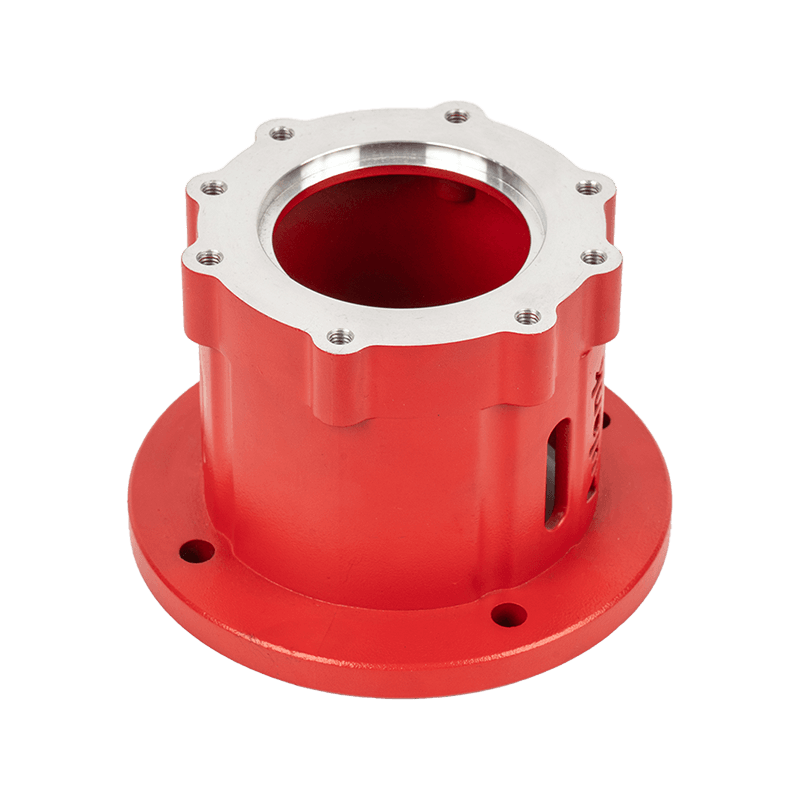
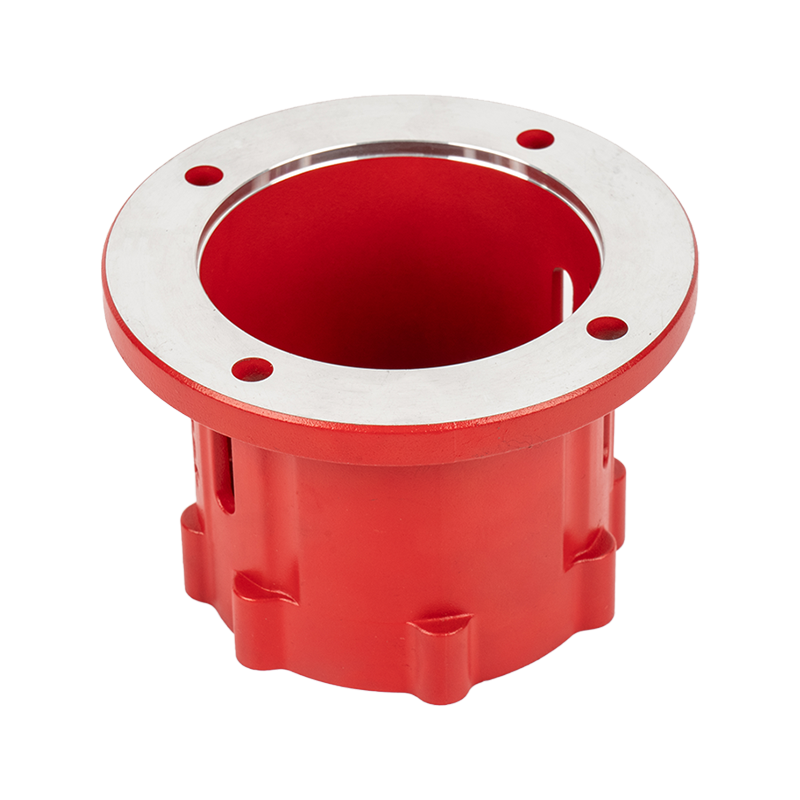
This high-velocity injection mechanism allows designers to integrate complex internal mounting bosses, deep cooling fins, and intricate sealing channels directly into the mold design, virtually eliminating the need for extensive secondary profiling. True manufacturing capability in this sector depends on a complete, integrated workflow. Facilities like NINGBO CHIP MACHINERY CO., LTD. leverage full environmental assessment qualifications to deliver a true one-stop service—seamlessly bridging mold design and fabrication, high-pressure die casting, high-tolerance CNC machining, and advanced surface treatments under a single quality control roof.
The selection of the specific aluminum alloy composition governs the ultimate physical, thermal, and chemical performance of the housing. In global industrial manufacturing, three primary alloy groups dominate the production of a die cast aluminium housing due to their excellent fluid castability and physical properties post-solidification:
To evaluate these raw materials prior to mechanical processing and surface finishing, the chemical and physical characteristics are detailed below:
| Alloy Designation | Silicon (Si) % | Copper (Cu) % | Thermal Conductivity (W/m·K) | Tensile Strength (MPa) |
| ADC12 | 10.5 – 12.0 | 1.5 – 3.5 | 96 | 310 |
| A380 | 7.5 – 9.5 | 3.0 – 4.0 | 96 | 320 |
| AlSi9Cu3 | 8.0 – 11.0 | 2.0 – 3.5 | 110 | 290 |
The structural integrity of a die cast aluminium housing relies heavily on its metallurgical composition and specialized internal geometry. Under high hydraulic pressures, the rapid solidification of molten aluminum creates a fine, dense grain boundary structure along the outer skin of the component. This dense outer layer gives the housing exceptional tensile strength and yield strength, allowing it to withstand high structural loads and severe mechanical shocks without cracking.
To maximize this durability without adding unnecessary weight, mechanical engineers integrate structural ribbing and precise wall thickness transitions directly into the enclosure design. Strategic placement of these reinforcement ribs distributes external stresses evenly across the frame, eliminating concentrated stress points and preventing structural warping. This specialized structural design allows a precision-engineered die cast aluminium housing to maintain its dimensional stability even when subjected to continuous industrial vibrations and high physical impacts.
Managing thermal loads is a critical factor in extending the lifespan of internal electronics and high-power mechanical assemblies. Aluminum possesses an inherent thermal conductivity ranging from 96 to 110 W/m·K depending on the specific alloy used, making a cast aluminum housing an exceptionally efficient passive heat sink.
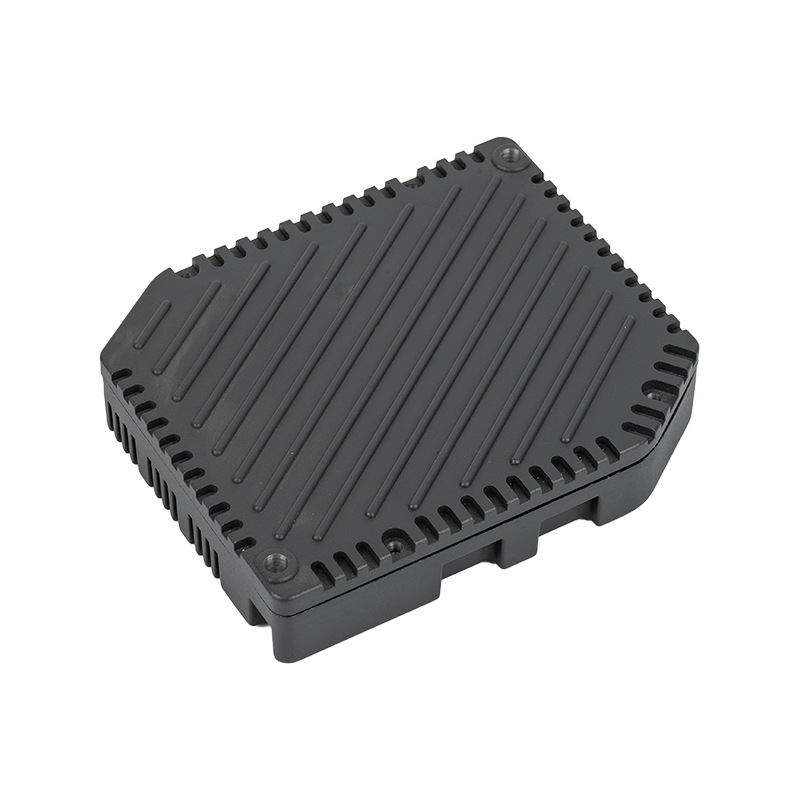
Instead of adding separate, heavy copper heat sinks, custom-designed die cast aluminium housings incorporate deep, aerodynamic cooling fins directly onto their exterior walls. This integrated design creates a seamless path for heat to transfer from internal components straight to the outside air, significantly reducing thermal resistance. For demanding applications like motor housings and heavy-duty air pumps, this efficient heat dissipation prevents heat from building up inside, ensuring consistent performance during long, continuous operation.
In modern industrial settings filled with high-frequency sensors, wireless networks, and power electronics, electromagnetic interference (EMI) and radio frequency interference (RFI) present constant challenges. A cast aluminum housing provides natural, built-in electromagnetic shielding due to the electrical conductivity of the metal.
The solid metal enclosure forms a highly effective Faraday cage that blocks both incoming and outgoing electromagnetic radiation. This shielding protects sensitive internal components from external electrical noise while preventing the equipment itself from emitting signals that could disrupt nearby machinery. For precision equipment parts and automated control systems, utilizing a die cast aluminium housing ensures strict compliance with international EMC standards without needing costly conductive coatings or extra shielding layers.
Modern industrial engineering focuses heavily on reducing weight while maintaining maximum component strength. When compared to traditional materials like cast iron or sheet steel, aluminum offers an exceptional strength-to-weight ratio, providing comparable durability at roughly one-third of the weight.
| Material Group | Density (g/cm³) | Tensile Strength (MPa) | Strength-to-Weight Efficiency |
| Die Cast Aluminum (ADC12) | 2.74 | 310 | High |
| Cast Iron (Gray Iron) | 7.20 | 200 | Low |
| Structural Steel (A36) | 7.85 | 400 | Moderate |
| Engineered Polymer (Polycarbonate) | 1.20 | 70 | Moderate |
While engineering polymers are lighter, they lack the thermal performance, UV resistance, and rugged impact strength required for heavy industry. By utilizing high-pressure die casting, a die cast aluminium housing can be manufactured with thin, highly optimized walls that cut down on raw material usage while maintaining the rigid protection needed for demanding field environments.
The global automotive industry demands components with exceptional durability, tight tolerances, and lightweight designs to maximize vehicle efficiency. In this sector, precision die cast aluminium housings are widely used to protect critical powertrain components, electronic control units (ECUs), and high-voltage inverters for electric vehicles.
Because these housings are manufactured under strict quality systems like the IATF 16949:2016 certification, they provide the extreme structural reliability needed to withstand continuous road vibrations, rapid temperature shifts, and potential impact hazards. The high structural integrity of a die cast aluminium housing ensures that sensitive automotive electronics remain completely insulated and operational throughout the entire lifespan of the vehicle.
In automated factories, precision machinery relies on a steady flow of data from sensors, valves, and pneumatic control units. A rugged cast aluminum housing is essential for protecting these delicate instruments from common factory hazards like flying debris, oil splatters, and accidental impacts.
This level of robust protection is highly critical for heavy-duty gas regulators, heavy equipment parts, and high-pressure air pumps operating in harsh manufacturing environments. By utilizing a single-source manufacturing partner like NINGBO CHIP MACHINERY CO., LTD., industrial buyers can source custom enclosures that feature precision-machined sealing faces and specialized internal mounting points tailored perfectly to their automated equipment specifications.
Outdoor telecommunications hardware, such as 5G base stations, remote power supplies, and outdoor routers, faces non-stop exposure to unpredictable weather conditions. These applications rely on a die cast aluminium housing to serve a dual purpose: providing robust physical protection and acting as a high-performance cooling chassis.
Because these outdoor systems are exposed to direct sunlight and heavy internal electrical loads, the enclosure's cooling fins must efficiently dissipate heat to prevent system failures. Additionally, the tight tolerances achieved through high-pressure die casting allow for seamless gasket integration, ensuring the housing meets strict IP66 or IP67 ingress protection standards to seal out rain, dust, and airborne moisture.
Industrial enclosures are frequently deployed in harsh environments, including coastal marine environments, chemical processing plants, and high-humidity tropical regions. Untreated steel or iron housings rust quickly under these conditions, leading to catastrophic structural failure.
In contrast, a cast aluminum housing naturally forms a thin, protective aluminum oxide layer when exposed to oxygen, giving it excellent natural corrosion resistance. When this natural resistance is combined with targeted alloy selection and advanced surface finishes, a die cast aluminium housing can endure decades of exposure to salt spray and corrosive chemicals without any degradation. This long-term environmental durability makes it the ideal choice for international industrial projects where maintenance access is difficult or expensive.
While modern high-pressure die casting delivers incredibly precise near-net-shape components, high-precision industrial applications often require tolerances that go beyond the capabilities of casting alone. Critical areas—such as liquid gasket grooves, threaded mounting holes, and mating faces for bearings—frequently require sub-millimeter precision.
To achieve this level of accuracy, the raw die cast aluminium housing undergoes secondary CNC post-machining. Utilizing advanced multi-axis CNC machining centers allows technicians to drill, tap, and mill the cast components with extreme precision, achieving critical tolerances tighter than ±0.02 mm. This precise combination of high-volume die casting and high-tolerance CNC machining ensures that every enclosure fits perfectly into complex industrial assemblies.
To maximize corrosion resistance and meet specific aesthetic demands, a die cast aluminium housing typically undergoes specialized surface treatments based on its operating environment. These chemical and mechanical treatments transform the raw metal surface into a highly durable barrier:
For critical applications in the automotive, aerospace, and medical sectors, a die cast aluminium housing must pass exhaustive quality inspection protocols before being cleared for delivery. Industrial buyers require verified performance data to ensure there are no hidden structural defects that could cause failures in the field.
To maintain these strict standards, advanced manufacturing facilities like NINGBO CHIP MACHINERY CO., LTD. run complete quality assurance pipelines inside their 5,000 square meter production centers under ISO 9001:2015 frameworks. High-resolution industrial X-ray radiography is used to inspect the internal microstructure of the castings, ensuring they are free from internal air pockets or shrinkage porosity. Advanced Coordinate Measuring Machines (CMM) verify all critical dimensions against the original engineering blueprints, while automated helium leak testing and air-pressure decay tests check the housing's seals to guarantee reliable IP-rated waterproof performance in the field.
The core difference lies in how the molten metal enters the mold. A standard cast aluminum housing is typically produced using sand or gravity casting, where molten aluminum is poured slowly into a mold using only natural gravity. This method is ideal for low production volumes or massive, thick-walled parts. Conversely, a die cast aluminium housing is manufactured using high-pressure die casting (HPDC), where molten metal is injected into a steel mold at extreme speeds and pressures. This automated process delivers much tighter tolerances, thinner walls, smoother surfaces, and exceptional cost efficiency for high-volume production runs.
For enclosures that experience intense thermal loads, alloys like AlSi9Cu3 and ADC12 are highly recommended. AlSi9Cu3 is a European standard alloy engineered specifically for high thermal stability and fatigue resistance, making it a top choice for demanding automotive and industrial applications. ADC12 and A380 also offer excellent thermal conductivity (around 96 W/m·K), providing efficient heat dissipation when integrated with built-in cooling fins.
Porosity refers to microscopic air bubbles or shrinkage cavities trapped inside the walls of a cast part. If left unmanaged, extensive porosity can weaken the housing's mechanical strength and ruin its pressure tightness. Professional manufacturers control this by using advanced vacuum-assisted die casting systems, optimizing mold venting channels, and meticulously regulating injection speeds. Every production batch should also undergo regular X-ray inspection to ensure the internal microstructure is dense and uniform.
Yes, a cast aluminum housing can easily achieve IP67 or IP68 ratings, provided it undergoes precision post-machining. High-pressure die casting can form complex sealing channels, but CNC machining is required to ensure the mating surfaces are perfectly flat and smooth. When these precision-machined grooves are fitted with high-performance elastomeric O-rings or continuous liquid gaskets, the enclosure becomes completely airtight, preventing any water or dust ingress under high pressure.
Because die casting molds are machined from ultra-hard premium tool steels to withstand extreme pressures, the initial tooling investment is relatively high. Design, fabrication, and testing of a custom mold can take anywhere from 4 to 6 weeks. However, once the tool is complete, the production process is incredibly fast and highly automated, resulting in a very low per-piece cost. This makes high-pressure die casting the most economical choice for long-term, high-volume manufacturing.
Although high-pressure die casting yields excellent near-net shapes, certain design elements cannot be cast directly. Features like internal screw threads, deep tapped holes, and bearing seats with critical tolerances under ±0.02 mm require precision CNC post-machining. Machining ensures that critical mating faces seal perfectly and threaded connections can handle high assembly torque.
An aluminum housing provides vastly superior and more reliable long-term EMI/RFI shielding. Because aluminum is naturally conductive, it forms a permanent, highly effective Faraday cage. Plastic enclosures require secondary operations like conductive painting or vacuum metallization to achieve shielding properties. Over time, these coatings can peel, flake, or degrade due to thermal expansion and mechanical vibrations, which compromises the shielding integrity. Die cast aluminium housings completely eliminate this risk.
For severe marine or coastal environments, the best protection is a multi-layer surface treatment. This starts with a chemical chromate or non-chrome conversion coating to passivate the aluminum surface. Next, an electrocoated (E-coat) primer is applied to ensure complete, uniform coverage, followed by a durable, UV-stabilized architectural powder coating. This multi-layer system can easily endure over 1,000 hours of continuous ASTM B117 salt spray testing without showing any signs of blistering or corrosion.
Engineers optimize wall thickness by using Finite Element Analysis (FEA) software to simulate real-world stresses on the housing. Instead of making all the walls thick, the design utilizes thin structural walls (ranging from 1.5 mm to 2.5 mm) reinforced by a network of internal and external ribs. This approach ensures strength is concentrated exactly where the stress occurs, significantly reducing total weight while maintaining rigid structural integrity.
Due to the extensive setup time, mold temperature optimization, and material calibration required for high-pressure die casting machines, the minimum order quantity usually ranges from 1,000 to 3,000 pieces per production run. Sourcing from a one-stop supplier that manages everything under one roof—from initial mold design and die casting to CNC machining and surface finishing—helps buyers optimize production efficiency and lower the overall cost barriers for custom projects.
QR Code

Copyright © NINGBO CHIP MACHINERY CO., LTD. All Rights
Reserved
 Custom Cast Aluminum Housing Factory