


 English
  中文简体
中文简体 0
Founded in
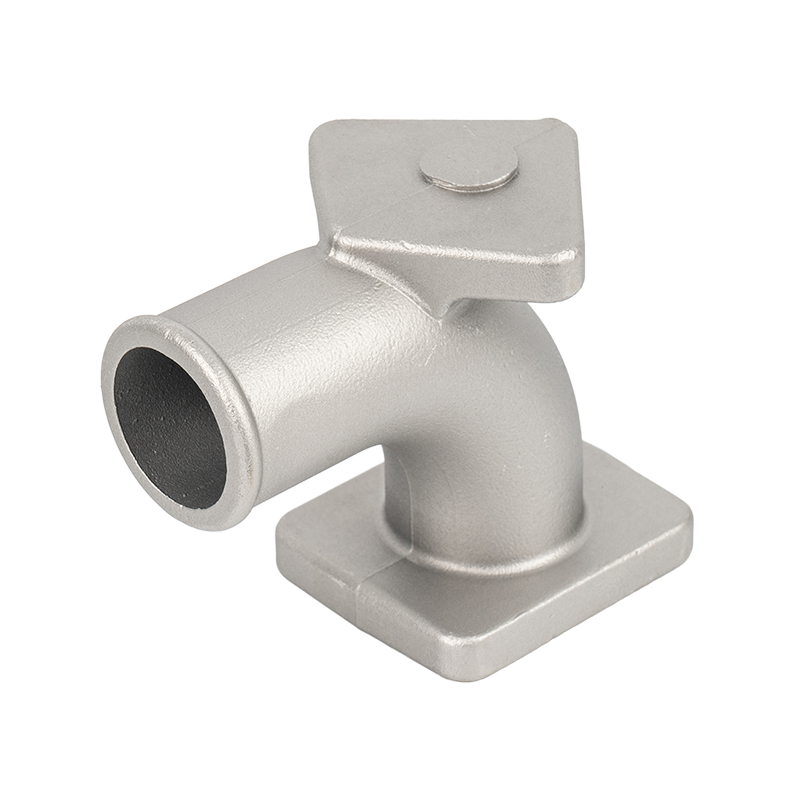
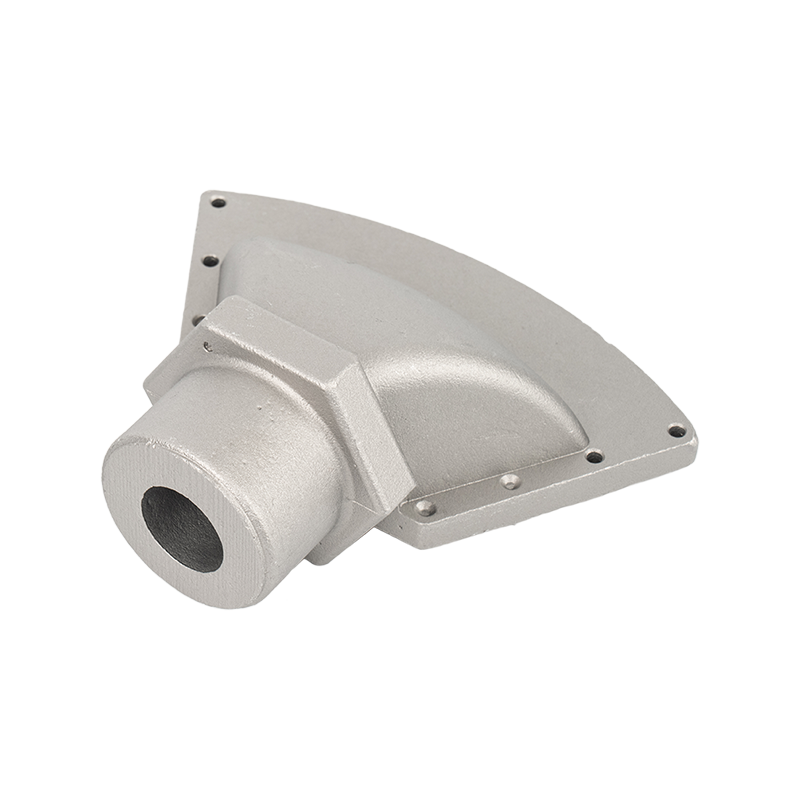
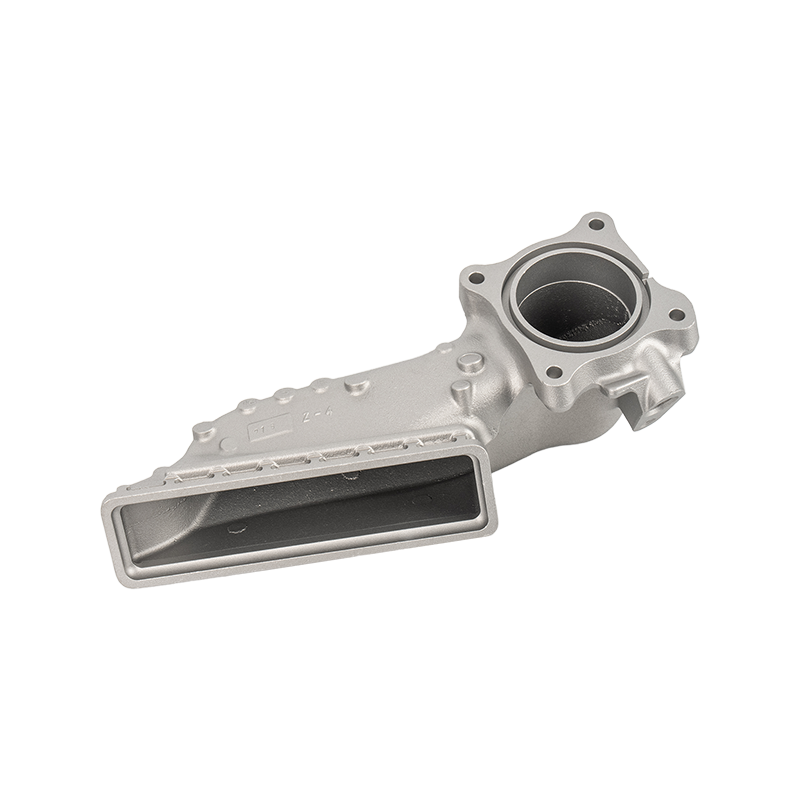
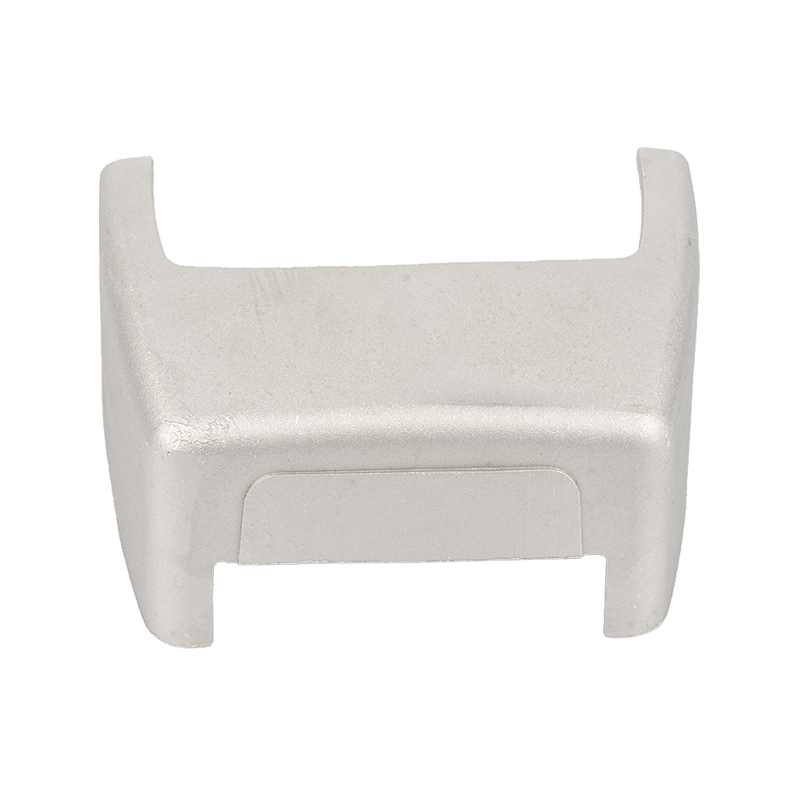
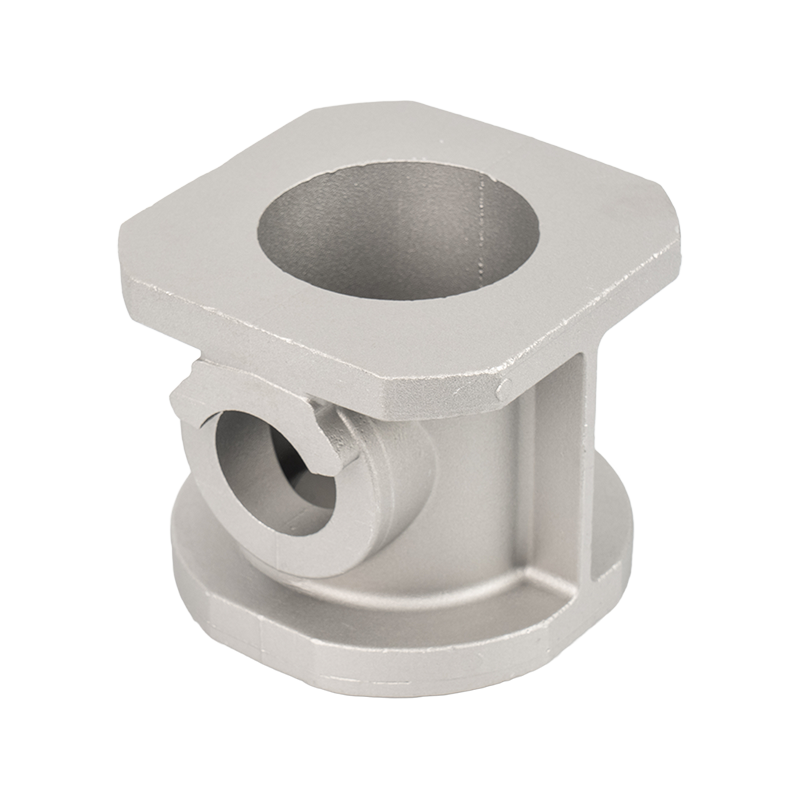
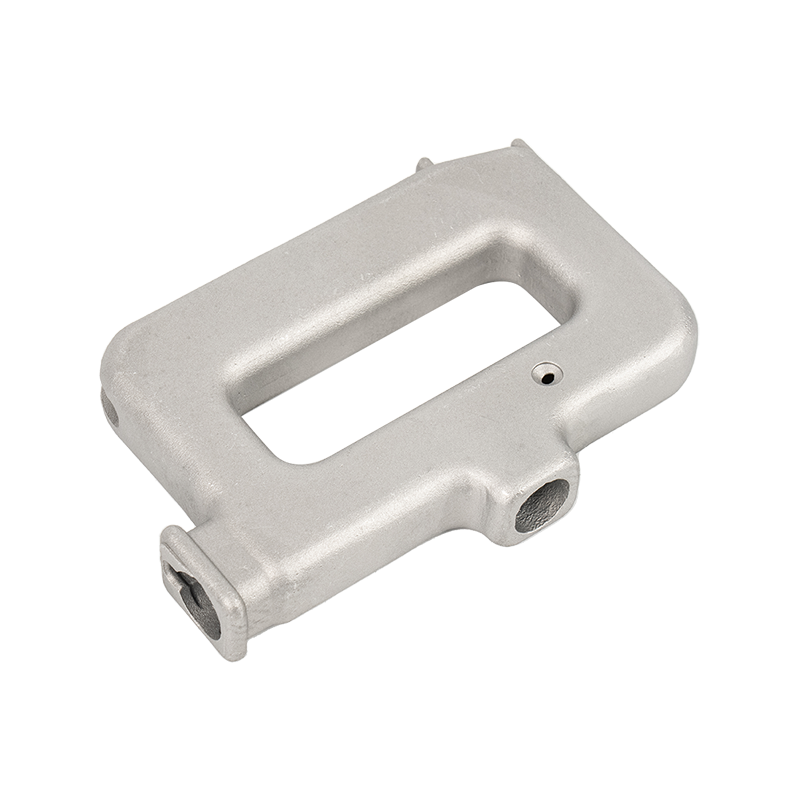
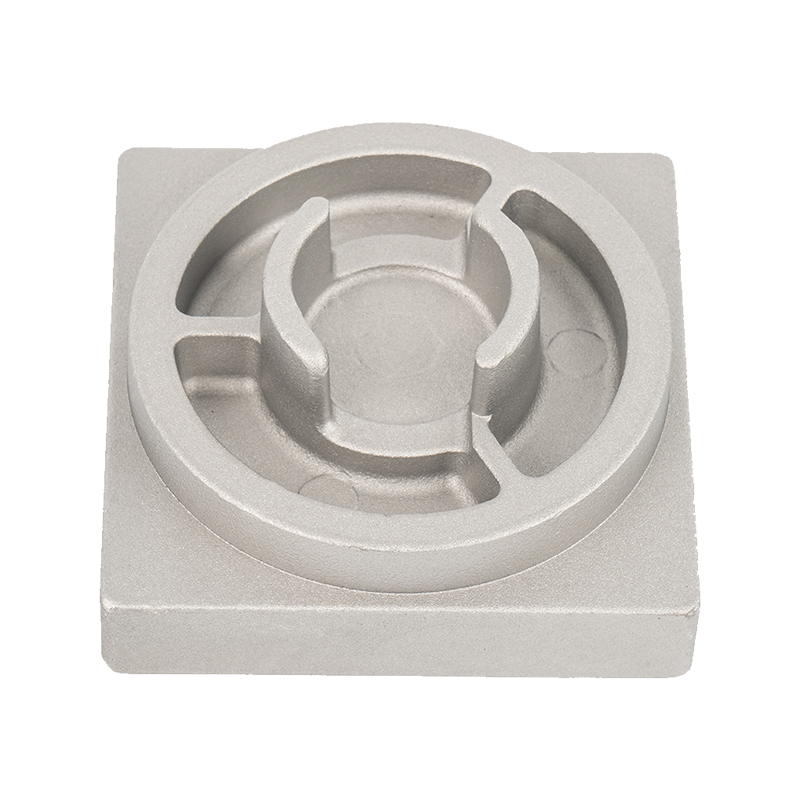
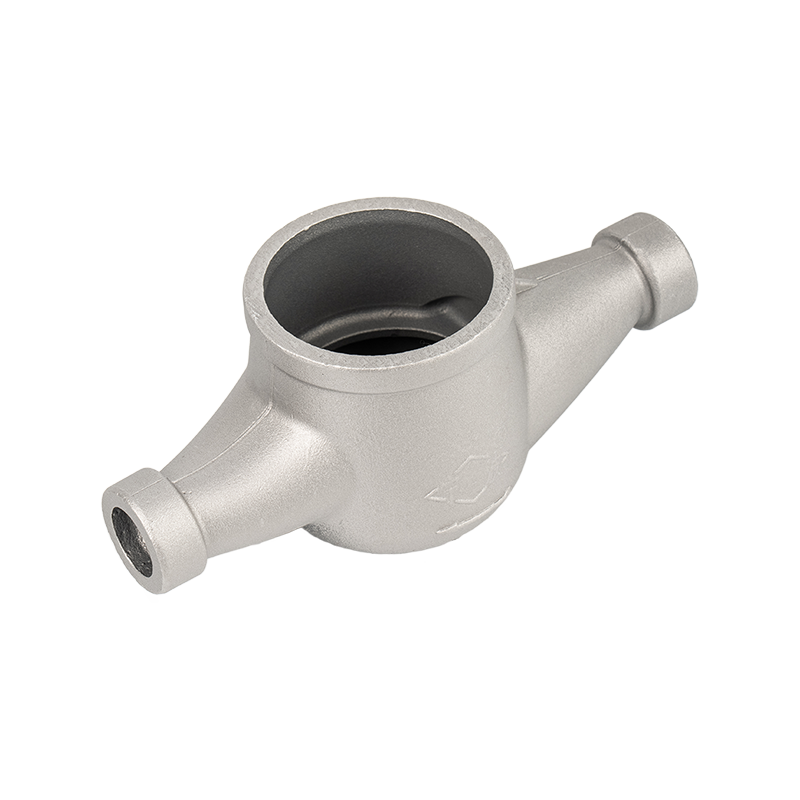
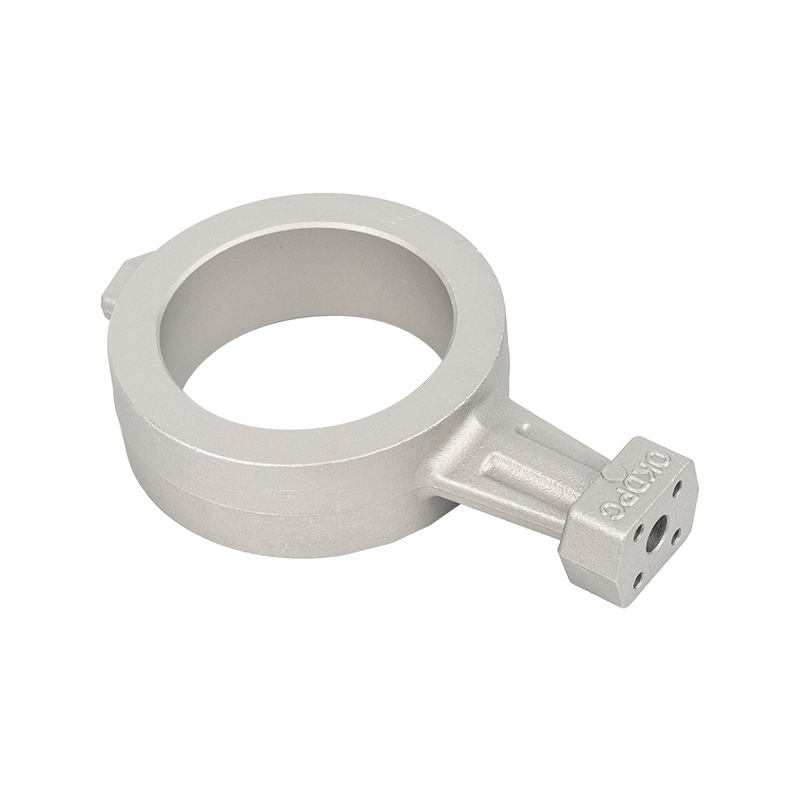
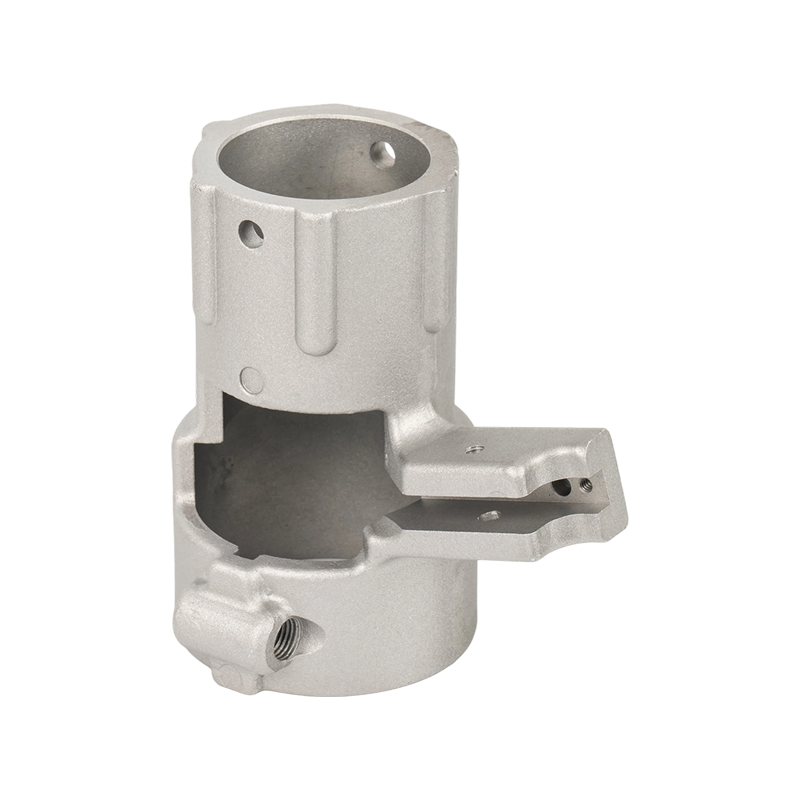
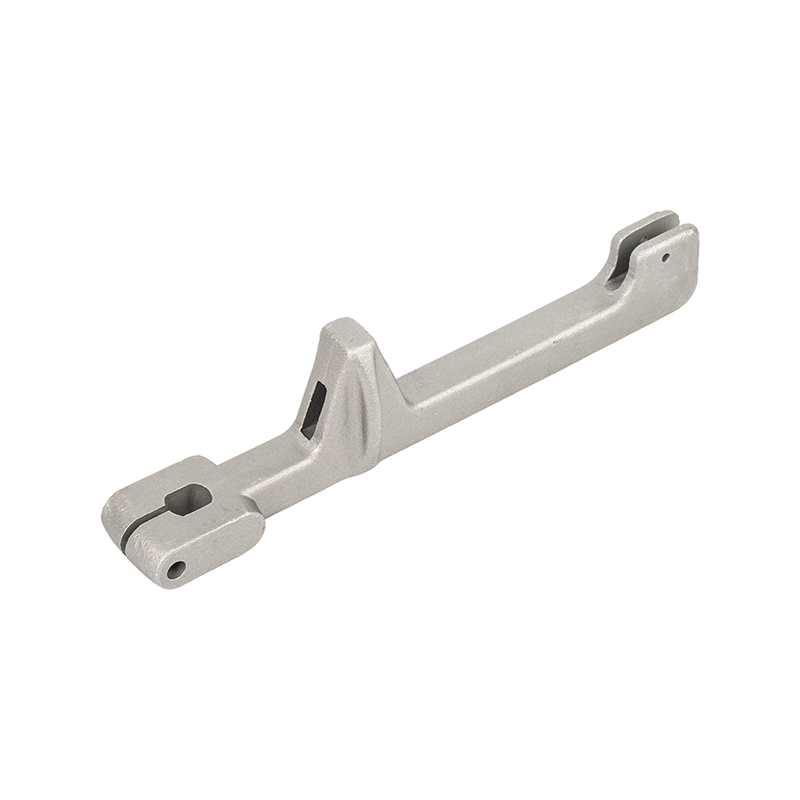
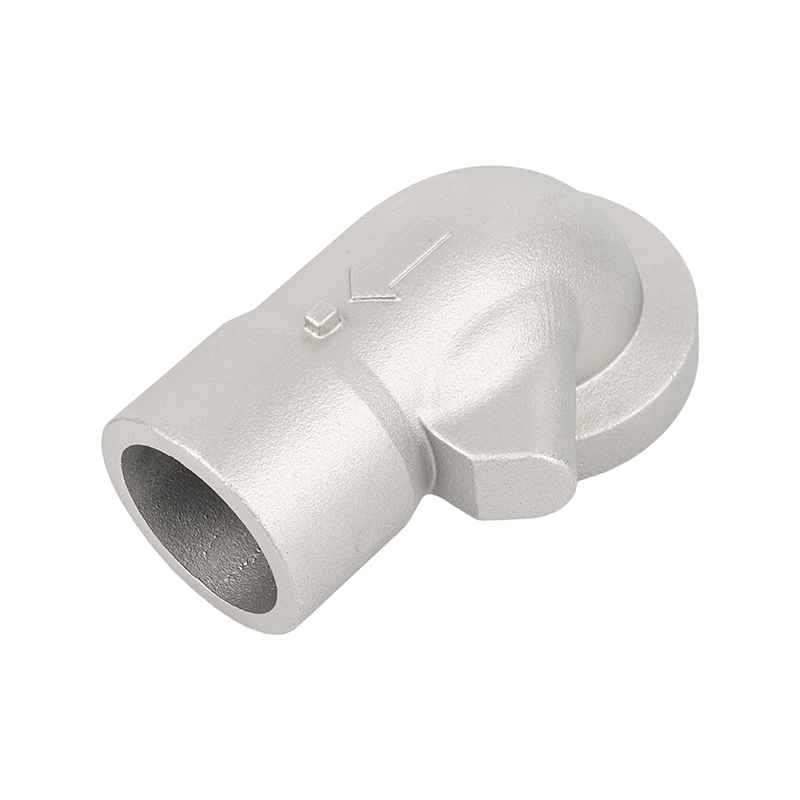
We are specialized in gas regulators, Motor Housing, Auto parts, Equipment parts, and Air pumps.

Founded in

Floor area

Professional Staff

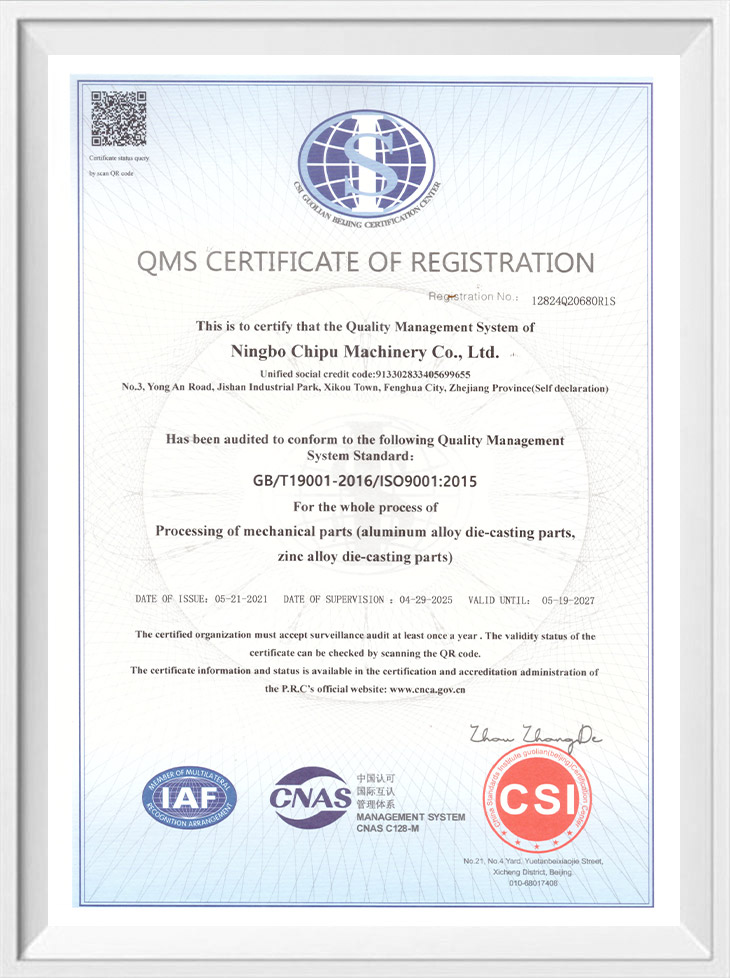
ISO 9001:2015 System Certification
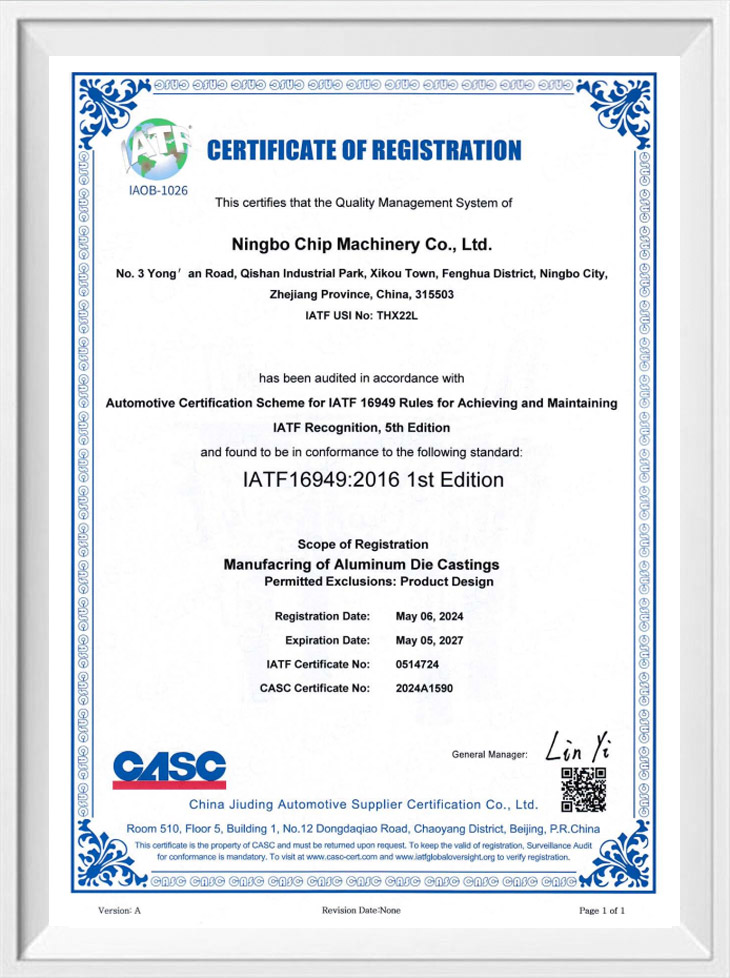
IATF16949:2016 System Certification


The aluminum casting process is an essential pillar of modern industrial manufacturing. It involves the precise flow control of molten aluminum alloy into a mold, which then cools and solidifies into high-strength Aluminum Casting Part. This process is far more than a simple physical transformation; it is a complex engineering discipline that integrates material science, fluid dynamics, and precise mold design.
In today's global industrial market, aluminum alloy is the preferred choice for lightweight design due to its exceptional strength-to-weight ratio, superior thermal conductivity, and excellent corrosion resistance. Whether it is improving vehicle fuel efficiency or enhancing the heat dissipation of electronic devices, high-performance Aluminum Alloy Castings play a critical role.
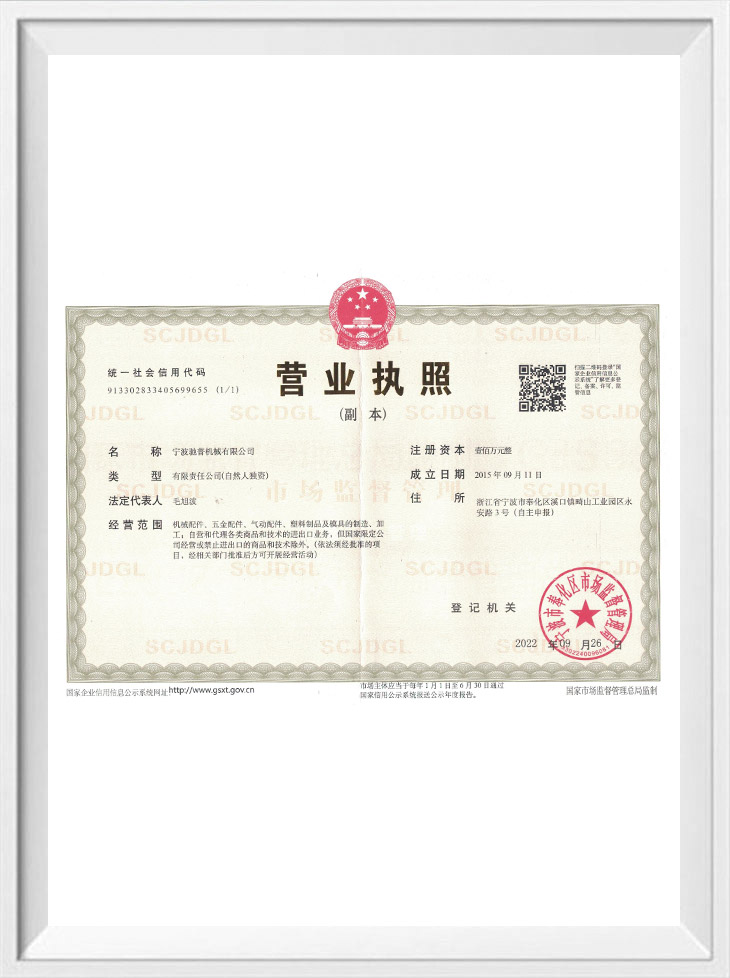
The demand for these castings is undergoing a profound transformation from extensive to precision-oriented production. Companies today focus not only on the shape of the part but also on the density of its internal structure. For instance, since its establishment in 2015, NINGBO CHIP MACHINERY CO., LTD. has been deeply engaged in this field. Operating from a 5000-square-meter modern production base, the company provides a "one-stop" manufacturing process ranging from mold design and die casting to secondary machining and surface treatment. This highly integrated production model not only ensures the reliability of Aluminum Casting Part in complex industrial applications but also guarantees that every Aluminum Alloy Castings component meets rigorous delivery standards through ISO 9001:2015 and IATF 16949:2016 quality system certifications.
Depending on performance requirements and production scale, the industry has developed several mature casting paths. Selecting the correct process directly determines the part's final performance and economic viability.
| Casting Process | Part Complexity | Typical Applications | Efficiency | Precision |
| Die Casting | High (Thin-walled, complex) | Auto housings, motor housings, valves | Very High | Very High |
| Gravity Casting | Medium (Thick-walled, structural) | Engine brackets, pressure parts | Medium | High |
| Sand Casting | Very High (Large, irregular) | Large industrial equipment parts | Low | Medium |
In actual engineering applications, such as producing gas regulators or motor housings, the die casting process is highly favored for its ability to quickly produce Aluminum Casting Part with high dimensional accuracy. NINGBO CHIP MACHINERY CO., LTD. has mastered the balance between these processes through years of technical accumulation. The company can formulate optimal process routes based on the specific structural needs of air pumps or auto parts, and their adherence to environmental standards ensures that production remains compliant with modern regulations.
When evaluating the quality of an Aluminum Casting Part, the material's formulation determines the part's "DNA." Aluminum alloy is not a single component but a precisely balanced system alloyed with silicon (Si), magnesium (Mg), copper (Cu), and other elements. Silicon significantly improves the alloy's fluidity, allowing it to fill even the most minute spaces within a die; magnesium enhances the material's hardness and tensile strength.
To ensure that the final Aluminum Alloy Castings exhibit superior mechanical properties, material selection must be highly matched to the intended service environment. In the daily operations of NINGBO CHIP MACHINERY CO., LTD., engineers apply rigorous standards to the choice of alloy grades.
| Element | Mechanism | Improvement |
| Silicon (Si) | Improves melt fluidity | Reduces defects, aids thin-wall filling |
| Magnesium (Mg) | Strengthens solid solution | Significantly increases hardness/tensile strength |
| Copper (Cu) | Improves high-temp strength | Enhances creep resistance in hot environments |
| Manganese (Mn) | Neutralizes impurities | Improves corrosion resistance and fatigue life |
Beyond composition, heat treatment is a catalyst for altering the physical properties of Aluminum Alloy Castings. Through solution and aging treatments, internal casting stresses can be eliminated, and ductility adjusted. NINGBO CHIP MACHINERY CO., LTD. utilizes advanced production facilities to ensure every batch of material undergoes scientific heat treatment.
In aluminum casting, structural design often dictates quality stability more than post-processing. Many clients encounter issues like porosity or shrinkage, which can often be mitigated at the design stage.
A superior Aluminum Casting Part design must account for the shrinkage characteristics of aluminum during solidification. For example, uniform wall thickness is a core principle. Furthermore, appropriate fillet radii distribute stress, while sufficient draft angles ensure smooth mold release, directly impacting production efficiency.
The engineering team at NINGBO CHIP MACHINERY CO., LTD. intervenes during the mold development stage, utilizing DFM (Design for Manufacturing) analysis to refine original designs. For components like motor housings or air pumps, they use software to simulate the flow of molten aluminum, ensuring the final Aluminum Alloy Castings have a dense internal structure.
| Design Factor | Optimization Direction | Primary Benefit |
| Wall Transition | Keep thickness uniform, use fillets | Reduces shrinkage and internal stress |
| Fillet Radii | Avoid sharp corners | Distributes stress, reduces crack risk |
| Draft Angle | 1° - 3° typically | Smooth release, fewer surface defects |
| Ribbing | Use dense, thin ribs | Increases rigidity without added weight |
The casting process is just the starting point. Rigorous quality testing is the firewall that ensures Aluminum Casting Part stability in the field. NINGBO CHIP MACHINERY CO., LTD. holds ISO 9001:2015 and IATF 16949:2016 certifications, ensuring quality is embedded into every step.
| Method | Principle | Objective |
| X-Ray | Radiation penetration imaging | Detect internal voids/cracks |
| CMM | High-precision spatial measurement | Verify geometric tolerances |
| Spectral Analysis | Emission spectroscopy | Verify chemical composition |
| Leak Testing | Compressed air pressure drop | Verify sealing performance |
Inside the 5000-square-meter facility, NINGBO CHIP MACHINERY CO., LTD. employs a full suite of laboratory equipment to ensure Aluminum Alloy Castings meet the performance requirements of overseas markets in the UK, Germany, and Japan.
In the one-stop service system at NINGBO CHIP MACHINERY CO., LTD., surface treatment transforms standard Aluminum Alloy Castings into finished components that meet specific wear, insulation, or aesthetic requirements.
| Treatment | Function | Typical Use | Corrosion Resistance |
| Anodizing | Forms dense oxide film | Pump housings, precision parts | Very High |
| Powder Coating | Thick, aesthetic protective layer | Auto parts, motor casings | High |
| Shot Blasting | Cleans scale, increases texture | Casting preparation | Medium |
| CNC Machining | Precision fitment | Engine parts, connectors | Depends on coating |
From precision automotive transmissions to household air purification pumps, Aluminum Casting Part solutions are ubiquitous. They dominate because they achieve complex shapes with high efficiency, providing lightweight, rigid, and thermally conductive solutions.
NINGBO CHIP MACHINERY CO., LTD. has replaced traditional cast iron with aluminum in many structural parts, significantly reducing weight. Their success in supplying markets across the USA, UK, and Asia stems from a comprehensive approach, elevating aluminum castings from simple "accessories" to "core performance components."
In our years of serving global clients, NINGBO CHIP MACHINERY CO., LTD. has identified several high-frequency questions regarding Aluminum Casting Part selection.
A: Common defects include porosity, shrinkage, slag, and flow marks. NINGBO CHIP MACHINERY CO., LTD. uses flow simulation software to predict these issues before mold construction.
A: Cooling rate directly affects the internal crystal structure. Too fast causes high internal stress; too slow results in large grains and reduced strength.
| Cooling Rate | Crystal Structure | Impact | Scenario |
| Fast | Fine/Uniform | High hardness, high stress | Structural parts |
| Medium | Moderate | Best strength/toughness | Motor housings |
| Slow | Coarse | Lower hardness | Non-structural |
A: Die casting is for mass production of complex, thin-walled parts. Sand casting is for large, heavy-duty parts. NINGBO CHIP MACHINERY CO., LTD. recommends the optimal path based on your specific volume and precision needs.
A: If your product requires lightweight, high thermal conductivity, complex geometry, and mass production, aluminum casting is generally the optimal choice.
QR Code

Copyright © NINGBO CHIP MACHINERY CO., LTD. All Rights
Reserved
 Wholesale Aluminum Die Casting Manufacturers