


 English
  中文简体
中文简体 
0
Founded in

Founded in

Floor area

Professional Staff

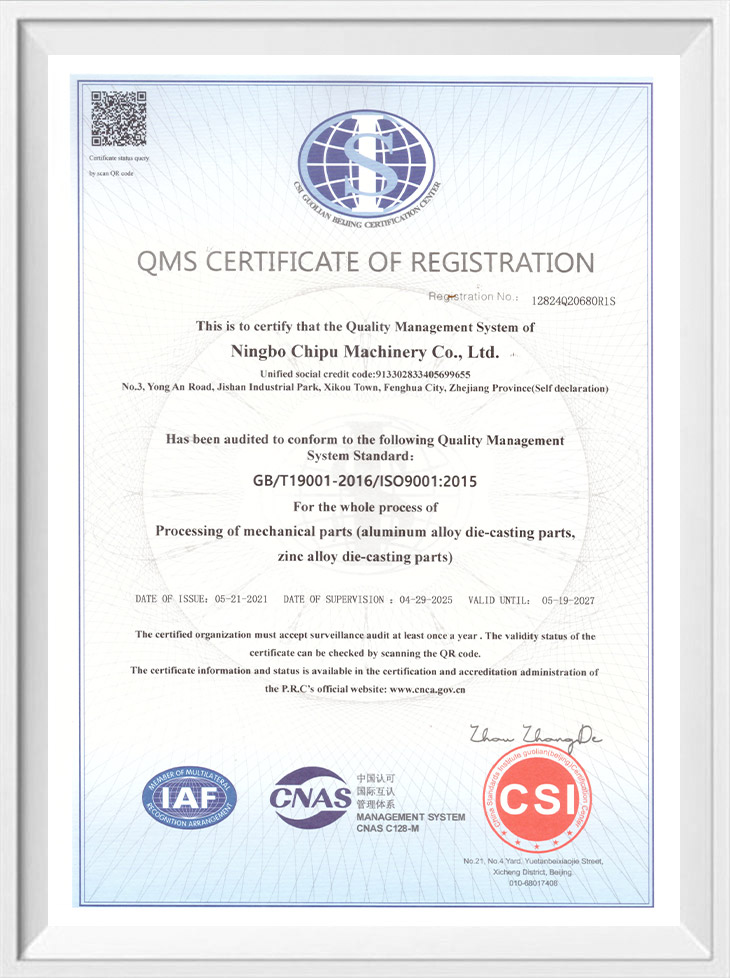
ISO 9001:2015 System Certification
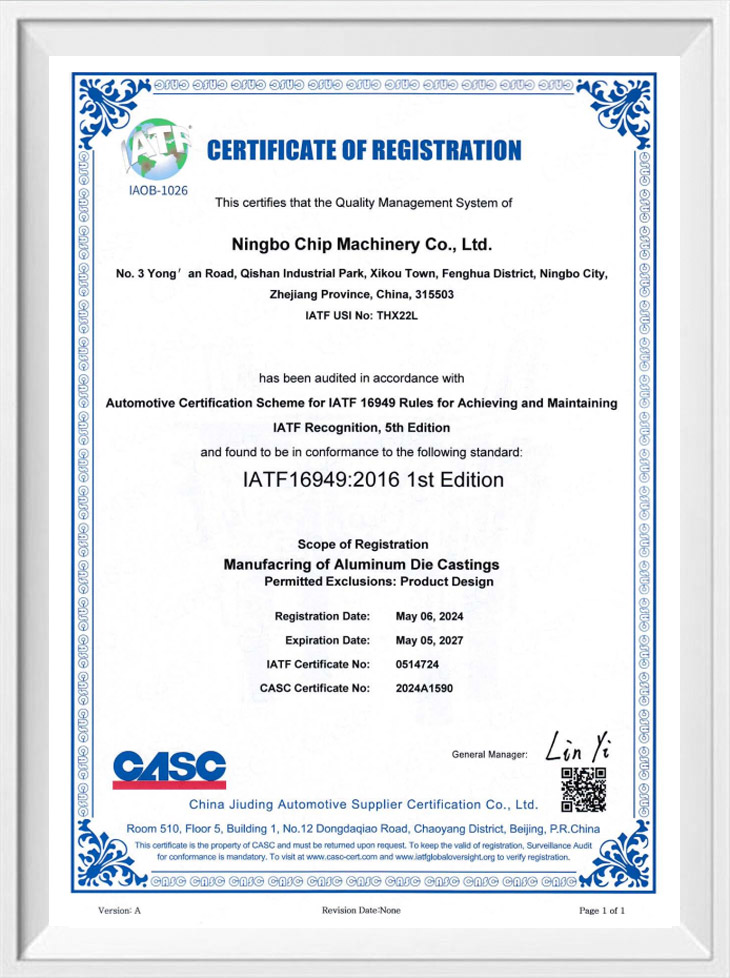
IATF16949:2016 System Certification

In modern heavy industries, automotive manufacturing, high-precision medical fields, and multinational infrastructure construction, high-quality Equipment Parts serve as the absolute backbone for maintaining the stable operation of massive production lines and complex mechanical systems. Whether it is high-pressure pneumatic components in automated fluid control systems or construction machinery transmission connecting rods bearing tons of impact loads, the structural integrity, fatigue resistance, and wear resistance of these components directly determine the full lifecycle operating lifespan and production safety of the entire system.
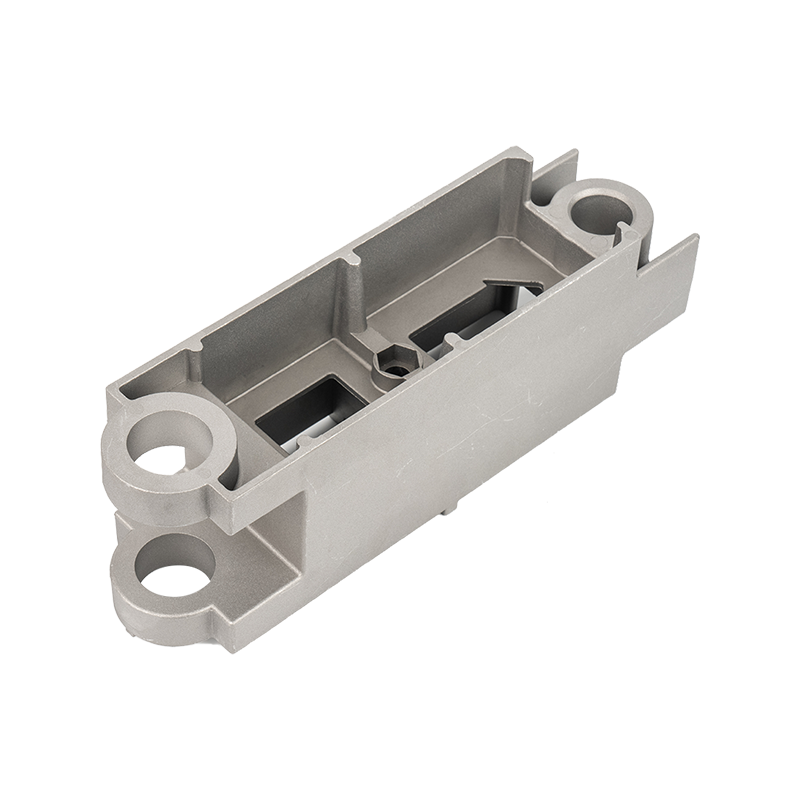
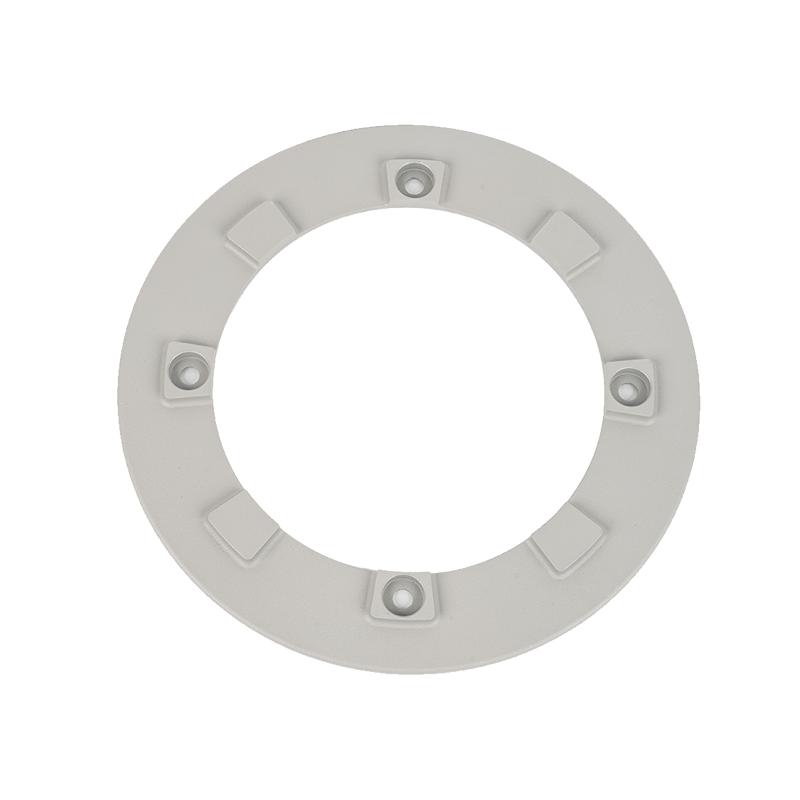
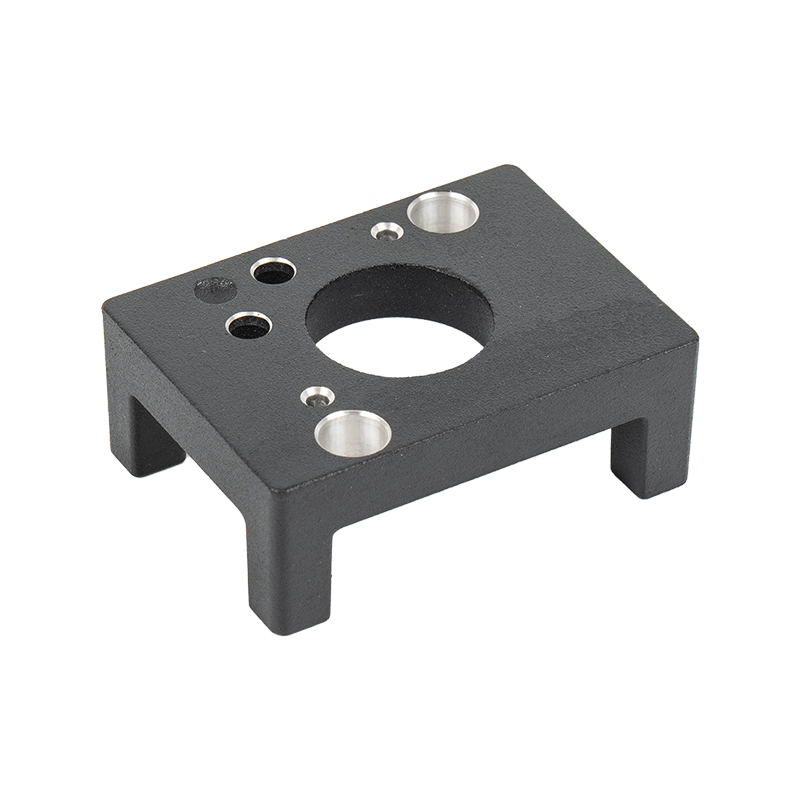
With the evolution of Industry 4.0 and Lean Manufacturing, global market technical requirements for these core components have long surpassed traditional rough machining. From initial single-piece forging and multi-component welding to the current widespread application of high-performance Equipment Parts Castings, the modern manufacturing landscape has experienced a profound process leap. The core advantage of the casting process lies in its ability to form Equipment Parts with extremely complex geometric shapes, multi-layer wall thickness variations, and streamlined internal cavities all at once through precise mold cavity design. This not only significantly reduces raw material waste during subsequent mechanical machining (improving material utilization) but also optimizes the intertwined structure of metal grains at the molecular level, providing excellent fatigue performance when components handle long-term alternating stresses.
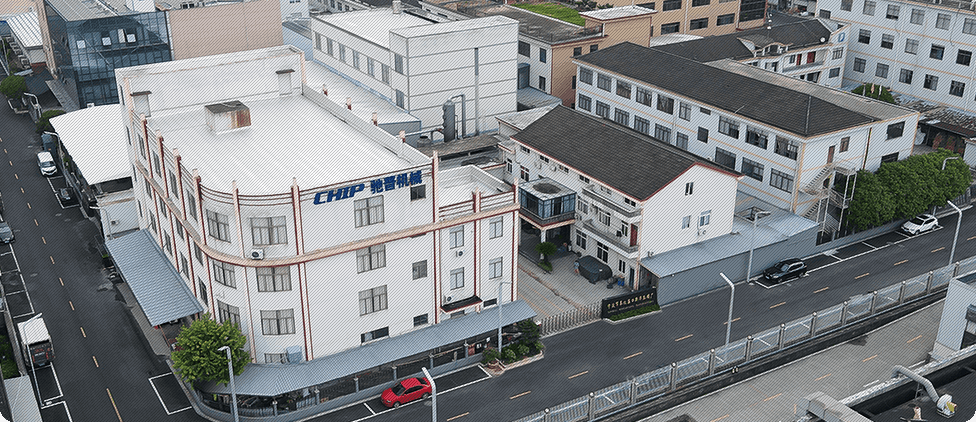
Against the backdrop of global manufacturing shifting toward lightweight and high-integration designs, manufacturing enterprises with "one-stop" full-chain integration capabilities are progressively becoming the preferred core suppliers in multinational procurement chains. Taking NINGBO CHIP MACHINERY CO., LTD., which deeply focuses on precision manufacturing and high-end foreign trade supporting services, as an example, the enterprise established a strategy driven by technical upgrading at its inception. It now possesses a modern production base covering an area of 5,000 square meters, equipped with complete energy-saving and emission-reduction facilities along with strict environmental assessment qualifications. This modern manufacturing model, which combines cutting-edge materials science with standardized factory management, is reshaping the global industrial sector's supply chain collaboration and quality trust for high-quality Equipment Parts Castings.
In the mass production practice of high-performance Equipment Parts Castings, the choice of process path and the microscopic proportioning of metal materials are the two pillars determining the final physical properties of the product. Different industrial application scenarios have strict requirements for component tolerances, surface roughness, and mechanical load-bearing capacity, which demands that the manufacturing end possess diversified process mastery.
In heavy industrial machinery and high-precision instrument manufacturing, sand casting and precision die casting are the two most widely applied technical systems. The two have fundamental differences in applicable scenarios, mold structures, machining allowances, and dimensional accuracy.
To visually demonstrate the technical boundaries of different processes when producing Equipment Parts, the comparison of core process parameters is listed below:
| Process Parameter and Technical Characteristic Comparison | Sand Casting | Precision Die Casting |
| Standard Dimensional Tolerance | ±0.5mm to ±1.2mm | ±0.03mm to ±0.10mm |
| Surface Roughness (Ra) | 12.5µm to 25.0µm | 1.6µm to 3.2µm |
| Minimum Designed Wall Thickness | ≥ 4.0mm | 0.8mm to 1.5mm |
| Economic MOQ | 1 to 100 pcs (Suitable for medium-large/customized) | ≥ 1,000 pcs (Suitable for mass production) |
| Blank Machining Allowance | 3.0mm to 5.0mm | 0.5mm to 1.0mm (Minimal or no machining needed) |
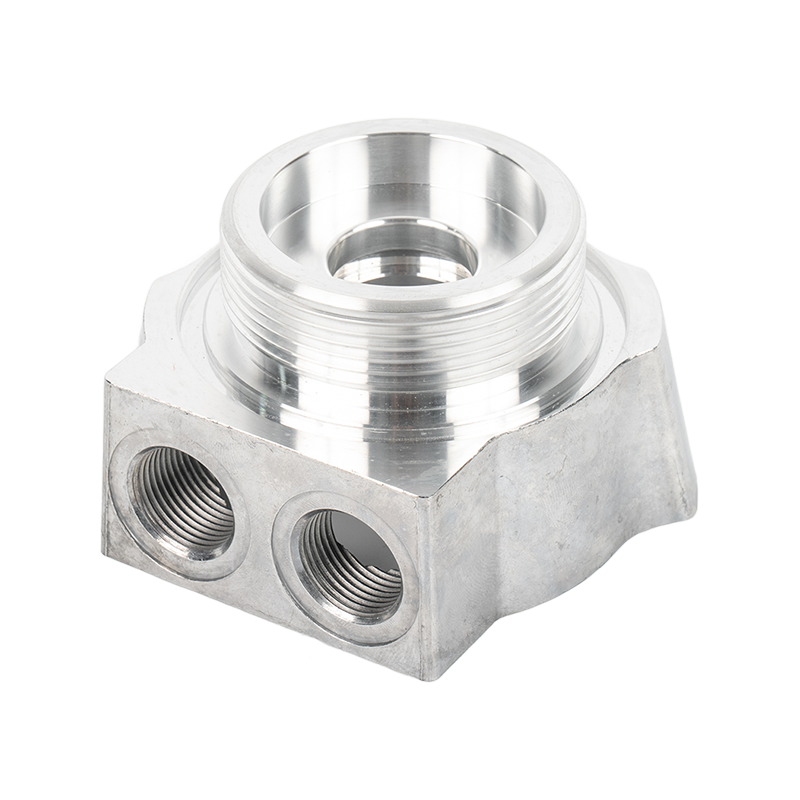
| Typical Equipment Parts Applicable Objects | Large reducer bases, heavy machine tool beds, large crusher shells | Gas regulator bodies, high-speed Motor Housings, Air pump cavities |
Facing the dual challenges of delivery time and precision from global buyers, NINGBO CHIP MACHINERY CO., LTD. leverages its 5,000-square-meter manufacturing base to deeply implement its one-stop service, seamlessly combining high-precision mold making with advanced metal die casting technology. This process integration allows the enterprise to control the die casting tolerances of lightweight materials such as aluminum alloys and zinc alloys at an extremely high level, significantly reducing subsequent material loss and perfectly matching the strict requirements of high-end overseas markets for high-precision components.
Beyond the precise selection of the process path, the mechanical performance of the matrix material directly determines the fatigue life of Equipment Parts Castings under extreme working conditions:
Ductile Iron and Alloy Steel: Possess extremely high yield strength and excellent fracture toughness. Because the internal graphite in ductile iron is dispersed in a spherical shape, its shock absorption performance can even rival medium carbon steel, making it the core preference for high-load Equipment Parts like heavy excavators and high-pressure pumps and valves.
High-Strength Aluminum Alloys (e.g., A380/ADC12): This material achieves lightweighting while providing outstanding thermal conductivity and excellent fluidity. When manufacturing complex Motor Housings, automotive precision airway components, and lightweight Air pumps, high-strength aluminum alloys ensure that no cold shuts or microscopic shrinkage cavities occur during high-speed die casting molding, making it a green and environmentally friendly material favored by modern precision engineering.
Transforming a rough metal raw material into an Equipment Part that can perfectly fit into high-end global industrial equipment requires crossing multiple challenging thresholds, including technical R&D, defect prevention, and precision machining. This is a process that perfectly combines materials science with systems engineering.
In the production of high-performance Equipment Parts Castings, the prevention of casting defects is the first gateway determining product success or failure. Utilizing modern Computer-Aided Engineering (CAE) for advanced Mold Flow Analysis allows for the accurate prediction and avoidance of common casting traps like cold shuts, shrinkage cavities, air holes, and slag inclusions during the mold design stage. Besides front-end process simulation, back-end Non-Destructive Testing (NDT) is equally indispensable. Through X-ray testing (RT) and Ultrasonic Testing (UT), it is possible to thoroughly inspect whether invisible microscopic cracks exist inside the components.
The global industrial sector has extremely strict access standards for component quality, which requires manufacturers to possess rigorous system certifications. As a professional manufacturer deeply rooted in this field for many years, NINGBO CHIP MACHINERY CO., LTD. has long passed the internationally renowned ISO 9001:2015 quality management system certification, and further passed the highly valuable IATF 16949:2016 quality management system certification for the automotive industry. This means that every batch of its Auto parts, gas regulators, and general machinery components runs under a full-lifecycle quality traceability system, ensuring that every casting leaving the factory possesses extremely high quality consistency and safety guarantees.
Under the backdrop of global procurement, Just-In-Time (JIT) supply of raw materials directly affects the assembly scheduling of large equipment manufacturers. The supply chain stability of molten iron, aluminum ingots, composite alloy elements, and expensive mold steel is the cornerstone for ensuring the continuous, uninterrupted production of Equipment Parts.
For heavy or high-precision Equipment Parts Castings, multinational logistics is also a systematic engineering project. When components undergo long-term ocean freight, they are highly susceptible to erosion from salt spray and humid air. Therefore, strict rust prevention treatment (such as the application of Volatile Corrosion Inhibitor VCI film) and anti-collision wooden box designs must be implemented during the packaging stage. To cope with supply chain disruption risks brought by geopolitics or sudden events, buyers in mature industrial countries like the USA, the UK, Germany, Japan, and Korea increasingly tend to select comprehensive suppliers with rich experience in international logistics, customs clearance, and multi-sourcing. This cross-border collaboration experience can maximize the smooth supply of critical components to global production lines.
Although modern die casting and precision casting technologies have greatly improved the near-net-shape rate of blanks, for most Equipment Parts Castings used for mating, rotation, or sealing, secondary precision mechanical machining is the necessary path to reach the final drawing tolerances.
With the help of multi-axis CNC machining centers, engineers can control component dimensional tolerances within the micron level, perfectly solving flatness and coaxiality issues on critical mating surfaces, which is vital for maintaining the smooth operation of high-precision Equipment Parts. After the blank undergoes shot blasting to remove surface oxide scale, it also needs fine subsequent Surface Treatment based on the application scenario.
The performance parameter comparison of surface treatment processes commonly used for high-end industrial components is listed below:
| Performance Parameter Comparison of Common Surface Treatments | Anodizing (Aluminum Alloy) | E-Coating | Powder Coating | Electroless Nickel Plating |
| Typical Thickness Range | 5µm - 25µm | 15µm - 35µm | 50µm - 100µm | 10µm - 50µm |
| Salt Spray Resistance Time | 24h - 96h | 500h - 1000h+ | 500h - 1000h | 1000h+ |
| Coating Uniformity | Excellent (Suitable for complex cavities) | Excellent (Uniform distribution via electric field) | Average (Edge effect exists) | Perfect (Regardless of geometric shape) |
| Main Functional Positioning | Wear resistance, high hardness, corrosion resistance | Basic corrosion resistance, insulation priming | Weather resistance, mechanical scratch resistance | Extremely high wear and extreme corrosion resistance |
In this field, the "one-stop service" capability of NINGBO CHIP MACHINERY CO., LTD.—covering everything from Mold make and Die casting to precision Machining and final Surface Treatment—stands out prominently. This closed-loop manufacturing model not only significantly shortens the turnover time between processes but also completely avoids buck-passing and accumulated tolerance deviations caused by multi-party outsourcing.
The diversity of industrial equipment determines a high reliance on customized Equipment Parts. In many scenarios involving old equipment modification or discontinued spare parts, Reverse Engineering plays a critical role: using high-precision 3D laser scanners to capture the geometric data of remaining components, rebuilding the CAD model, and recasting Equipment Parts Castings through rapid tooling technology can bring near-obsolete equipment back to life.
In customized development for OEM and ODM, from early Co-design to rapid Prototyping, and finally to On-demand Production, flexible manufacturing capability has become a core indicator for evaluating a high-quality supplier. This comprehensive technical service capability allows top-tier manufacturing enterprises to cross geographical limitations and deliver customized products globally.
As high-end industries push equipment performance to the absolute limit, casting manufacturing also faces unprecedented technical challenges:
Geometric Complexity and Wall Thickness Variation: When an Equipment Parts Casting simultaneously contains ultra-thick sections and extremely thin-walled structures, uneven stress during the cooling process can easily lead to component deformation or internal cracks. Suppliers must rely on deep metal engineering experience to optimize flow channels and cooling systems.
Contradiction Between Lightweighting and High Load Capacity: In the fields of commercial vehicles and heavy machinery, engineers need to continuously reduce redundant weight via Topology Optimization while requiring components to maintain their original ultimate tensile and fatigue life.
Green and Low-Carbon Environmental Red Lines: Traditional casting is a high-energy-consuming industry. In today's global carbon reduction context, how to upgrade energy consumption, recycle waste sand, and innovate electric furnaces to meet strict environmental assessment qualifications is the admission ticket for manufacturing enterprises to secure long-term orders from international giants.
For multinational industrial buyers, screening and establishing a long-term stable Equipment Parts Castings supplier globally is a comprehensive strategic evaluation involving technical capabilities, commercial reputation, and regional logistics. Merely focusing on low single-piece initial blank prices often leads to extremely high defect rectification rates and downtime losses on subsequent assembly lines.
During the actual evaluation process, procurement teams should establish a multi-dimensional assessment indicator system:
To quantify the true collaboration level of a supplier, buyers typically conduct a deep all-round review of candidate enterprises based on the following core indicators:
| Key Evaluation Dimensions | Core Indicators and Technical Parameters | Benchmark Standards for High-Quality Suppliers |
| One-stop Capability | In-house process integration | Must cover: Mold make, Die casting/Casting, Machining, Surface Treatment |
| Engineering Support | Simulation & Reverse Engineering capability | Possess mainstream mold flow analysis software capabilities; able to handle complex OEM/ODM co-design and prototyping |
| System Certifications | International authoritative quality management certifications | Pass general industrial ISO 9001:2015 certification; involvement in automotive-grade components requires passing IATF 16949:2016 |
| Export Footprint | Alignment with international standards & years of supporting major overseas clients | Possess over 5 years of mature international trade experience; familiar with the conversion and physical/chemical testing alignment of international material grades like ASTM, DIN, JIS |
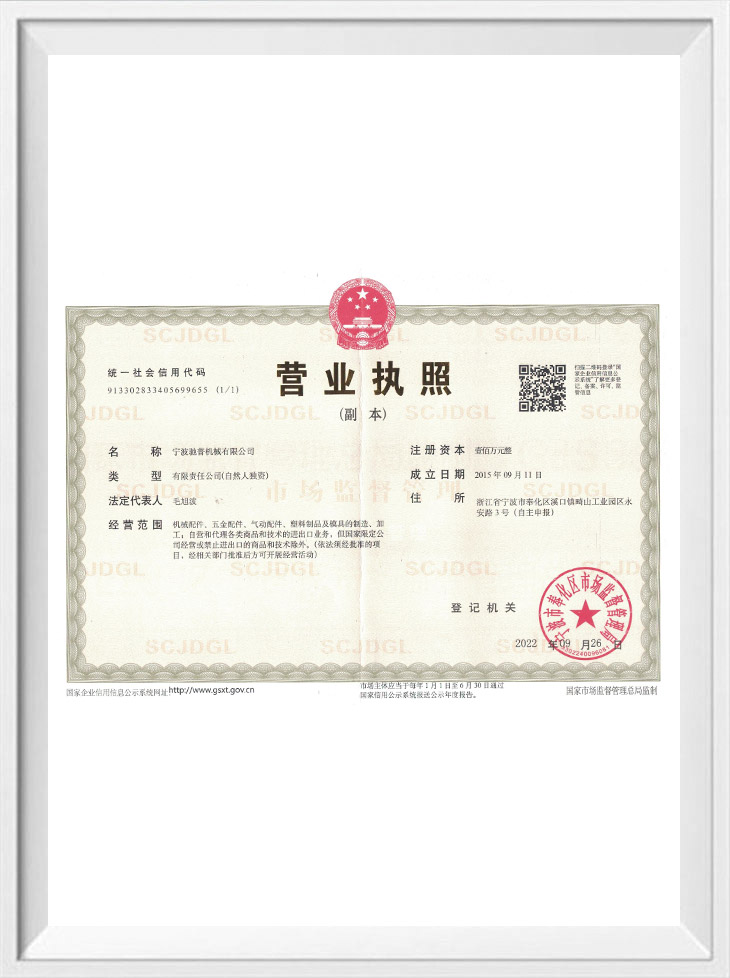
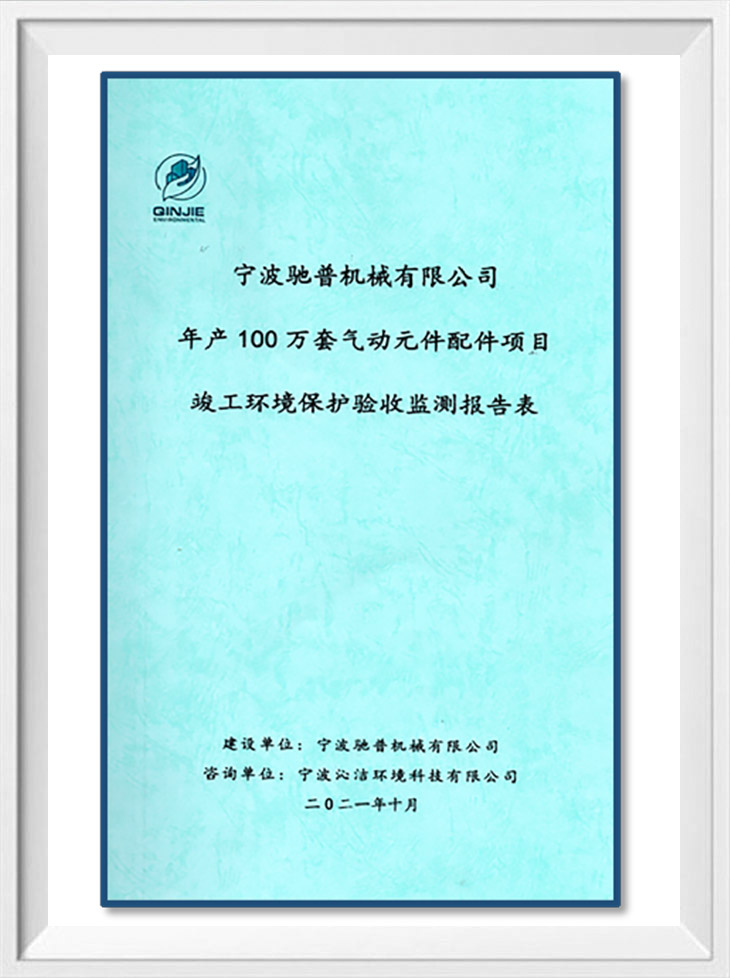
| Sustainability | Environmental and energy-saving access qualifications issued by local government | Own complete exhaust gas, wastewater, and hazardous waste treatment systems; possess a compliant Environmental Assessment Qualification |
When selecting a supplier, prioritizing a one-stop service supplier with a closed-loop full supply chain can significantly reduce management costs for the buyer. For instance, since its establishment in 2015, NINGBO CHIP MACHINERY CO., LTD. has deeply implemented this closed-loop manufacturing logic across its 5,000-square-meter modern plant. When a high-precision Equipment Parts project is delivered, everything from initial mold development and metal die casting molding to mid-stage precision mechanical machining and final surface treatment is completed under a single quality traceability system. This centralized production not only eliminates the risk of bumps and damage caused by transport between different factories but can also shorten the overall delivery cycle by more than 30%.
Furthermore, a supplier's international delivery experience is also key to ensuring supply chain resilience. Whether products can smoothly go abroad and pass strict overseas quality control under extremely high assembly standards is the touchstone of a factory's technical background. Take NINGBO CHIP MACHINERY CO., LTD. as an example: with its excellent process control and international standard alignment capabilities, its various manufactured industrial components have been stably exported to multiple global key manufacturing bases and regions, including the USA, the UK, Germany, Japan, Korea, and Taiwan. For multinational enterprises pursuing a lean supply chain, a partner with rich foreign trade interface experience and flawless environmental and quality certifications is the fundamental guarantee for achieving optimized Total Cost of Ownership (TCO) allocation.
In the long-term practice of procuring and designing Equipment Parts and Equipment Parts Castings, global technical buyers and engineers frequently encounter multiple shared engineering challenges. The following sections provide deep analyses of core industrial science knowledge and high-frequency technical doubts based on cutting-edge materials science and production site experience.
This is usually caused by internal microscopic pores, shrinkage defects, or uneliminated heat treatment internal stress within the metal.
Cause Analysis: During the pouring and solidification of liquid metal for iron or aluminum alloy Equipment Parts Castings, if the mold's gating and risering design is unreasonable or venting is poor, gas and tiny cavities generated by volume contraction will be locked inside the component. Under cyclic alternating loads (such as high-frequency vibration or reciprocating linear motion), these hidden intergranular voids become stress concentration points, causing microscopic cracks to initiate and expand rapidly, ultimately leading to a sudden fatigue fracture without warning.
Solution: Top-tier manufacturing plants perform precise filling and solidification simulation analyses via computer. At the same time, strict physical Normalizing or quenching and tempering heat treatments must be carried out before final mechanical machining to refine the internal grain structure of the metal and release casting stress.
This requires a comprehensive evaluation across four technical dimensions: structural complexity, force characteristics, blank cost, and machining allowance.
| Technical Indicator and Performance Comparison | Equipment Parts Castings | Forged Parts |
| Geometric Shape Freedom | Extremely high (Can form highly complex internal cavities, curved surfaces, and intricate flow channels at once) | Relatively low (Usually can only manufacture symmetrical, flat, or simple shaft/ring components) |
| Microstructure and Metal Flow Lines | Isotropic grains, fluid filling, suitable for complex thin-walled structures | Continuous and tight metal fiber flow lines, extremely high structural density |
| Impact and Tensile Limits | Excellent (Can meet the vast majority of general industrial loads through alloy blending) | Extremely high (Irreplaceable performance under high directional tensile forces and extreme mechanical impact conditions) |
| Machining Allowance | Small machining allowance, high near-net-shape rate, can significantly reduce subsequent cutting hours | Rough shape, usually requires heavy mechanical machining to cut away excess metal |
| Mass Production Economics | One-time mold investment, fast molding speed, extremely low comprehensive single-piece full cost | Forging equipment and mold tonnage requirements are extremely high; production costs for highly complex parts are prohibitive |
Application Guidance: If your project involves a highly integrated gas regulator body, a high-speed Motor Housing with cooling fins, or an Air pump with airway cavities, choosing high-precision aluminum alloy or zinc alloy die castings is absolutely the preferred choice in terms of cost-performance ratio and technical feasibility.
The length of the R&D cycle for customized Equipment Parts fundamentally depends on the response speed of mold making and the communication efficiency on the design end.
Traditional Model Pain Points: In the past, many factories outsourced mold development to external mold workshops. Because of inconsistent understandings of casting processes and CNC machining tolerances, projects often had to go through several rounds of a "modify mold - trial mold - modify mold again" loop, leading to severe delivery delays.
Efficient One-Stop Synergy: The best way to shorten the cycle is to merge mold R&D and casting production into a closed loop. An integrated model like the one used by NINGBO CHIP MACHINERY CO., LTD., where Mold make is directly built into its 5,000-square-meter plant area, allows design engineers and die casting technicians to perform concurrent engineering design on the same technical platform. Through the front-end intervention of digital CAD/CAM linkage and mold flow simulation, most potential defects are avoided before the mold steel is engraved, which can typically compress the development and prototyping cycle of new products by more than 40%.
This is a blind spot where technical errors easily occur in multinational supply chain management (USA, UK, Germany, Japan, etc.).
Composition and Performance Alignment: Different countries have their own standard systems for naming the same metal grade and defining trace element proportions (such as China's GB, the USA's ASTM/SAE, Germany's DIN, and Japan's JIS). Before official mass production, buyers must not rely solely on grade name comparisons; they must require the supplier to provide a detailed chemical composition report via direct-reading spectrometry alongside mechanical properties test data.
Tolerance and Dimension Alignment: International procurement must uniformly adopt global geometric dimensioning and tolerancing (GD&T) based on ISO standards. Factories with many years of mature export experience, such as NINGBO CHIP MACHINERY CO., LTD., whose core products are stably exported to mainstream industrial countries like the USA, the UK, Germany, Japan, and Korea, usually equip their workshops directly with high-precision Coordinate Measuring Machines (CMM) to perform First Article Inspections (FAI). This strictly blocks any hidden dimension out-of-tolerance risks resulting from unit conversions or drawing misinterpretations right from the hardware and technical process levels, ensuring that every batch of Auto parts and industrial Equipment Parts achieves 100% inspection-free direct assembly upon arrival after ocean transport.
QR Code

Copyright © NINGBO CHIP MACHINERY CO., LTD. All Rights
Reserved
 Wholesale Aluminum Alloy Equipment Parts Die Casting Manufacturers