English
  中文简体
中文简体 
Content
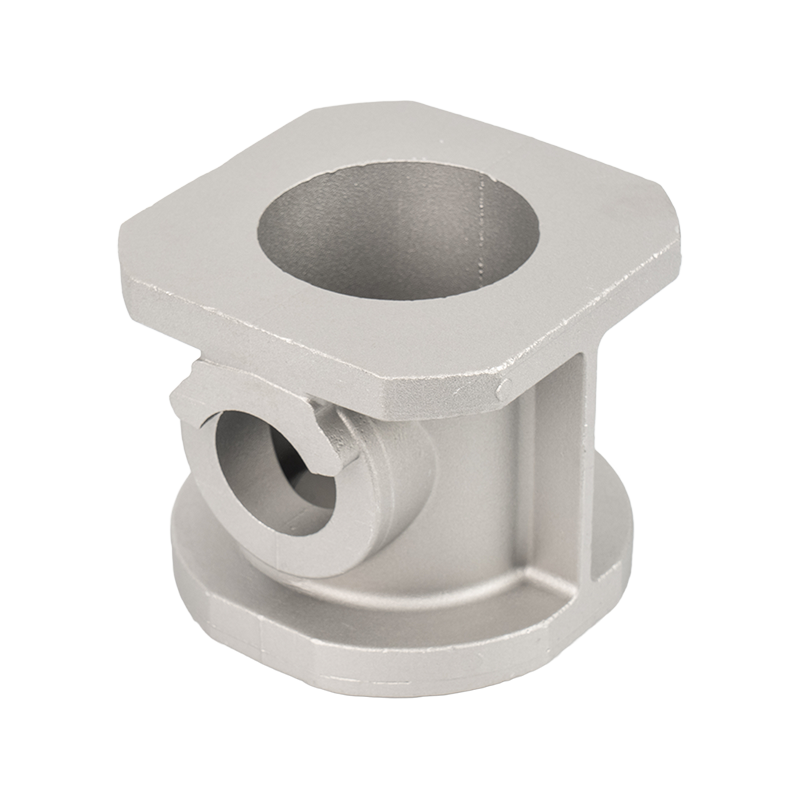
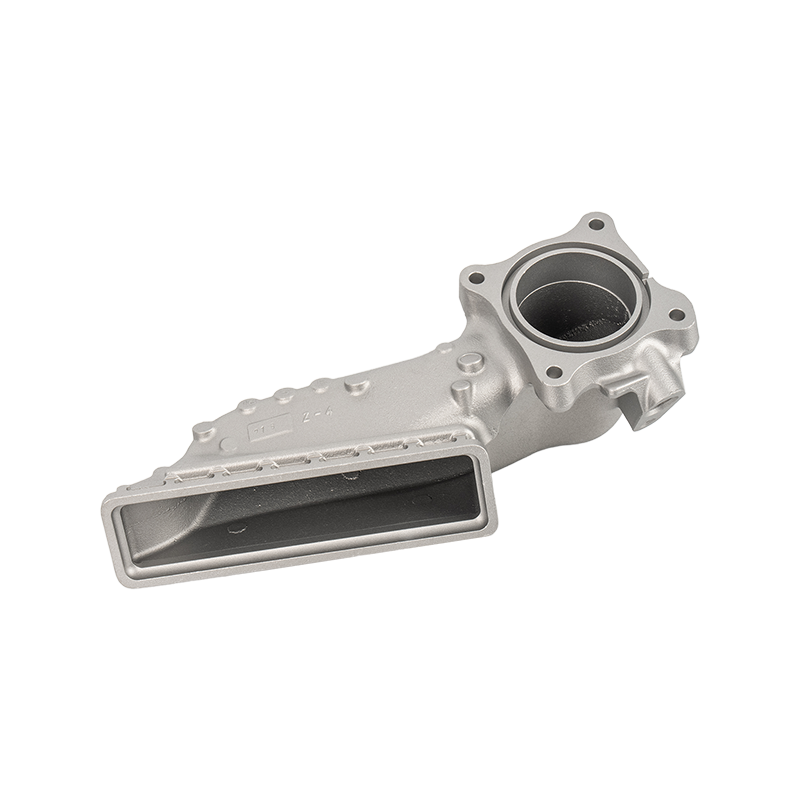
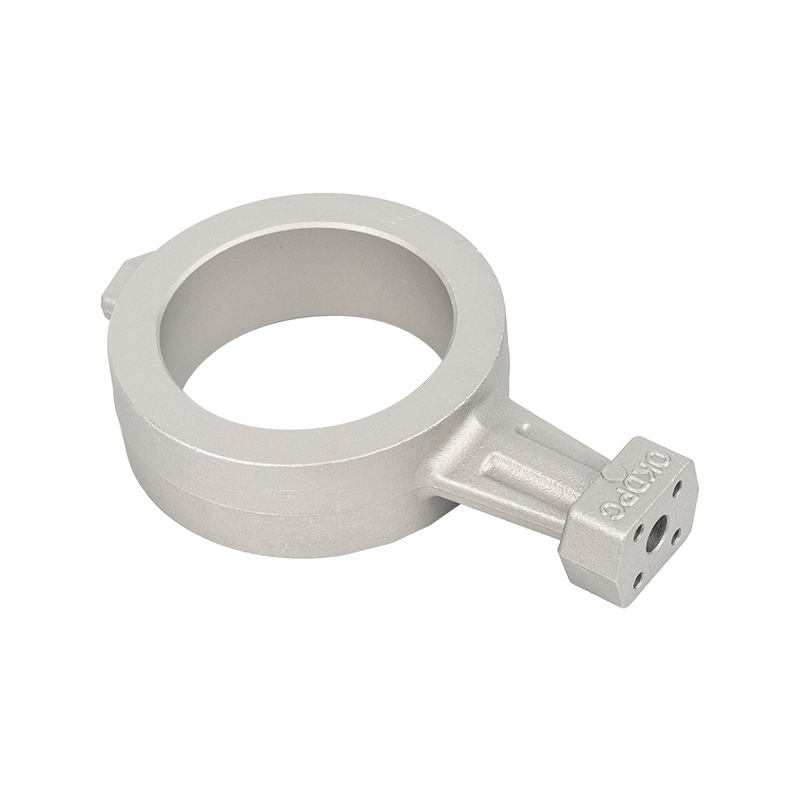
In the field of modern precision manufacturing, zinc die casting has become the preferred process for producing complex metal components due to its superior material properties and efficient production capabilities. Whether in the automotive, telecommunications, or hardware and construction industries, the zinc die casting process provides solutions characterized by high precision, excellent strength, and outstanding surface finish. By gaining a deeper understanding of the properties of zinc casting alloys and the scientific parameters of the casting process, manufacturing enterprises can optimize product design and improve production efficiency.
The Core of Precision Manufacturing: The zinc die casting process
The zinc die casting process is a high-pressure casting technology. Its core principle involves injecting molten zinc alloy die casting metal at high speed and high pressure into a precisely machined steel mold cavity. Compared with traditional casting methods, this process offers significant advantages, including rapid cooling rates and constant filling pressure, which ensure the density and dimensional stability of the parts.
Thanks to the excellent fluidity of zinc alloys, this process easily achieves the molding of thin-walled structures, complex geometries, and precise fine features. The efficiency of this process is also reflected in its extremely short cycle times. Coupled with a long mold life design, it demonstrates high economic value when mass-producing complex zinc die casting products.
Selection of zinc casting alloys and Technical Parameter Comparison
Choosing the right zinc casting alloys is key to ensuring that the mechanical properties of the components meet requirements. Currently, the two most widely used alloy series in the industry are Zamak 3 and Zamak 5. The following table lists the key technical parameter comparisons for these two typical alloys:
| Parameter | Zamak 3 (Zinc-Aluminum Alloy) | Zamak 5 (Copper-Bearing Zinc Alloy) |
| Tensile Strength (MPa) | 283 | 331 |
| Yield Strength (MPa) | 221 | 269 |
| Brinell Hardness (HB) | 82 | 91 |
| Elongation (%) | 10 | 7 |
| Primary Application Characteristic | Excellent Dimensional Stability | High Strength and Hardness |
Zamak 3 is the first choice for general-purpose precision components due to its superior dimensional stability and good plating performance. Zamak 5, by adding trace amounts of copper, significantly improves strength and wear resistance, making it more suitable for zinc die casting products subjected to higher mechanical stress.
Why Prioritize zinc casting in Industrial Applications?
The core advantage of zinc casting lies in its balanced physical and mechanical properties. First, its excellent fluidity allows for the precise reproduction of mold details when manufacturing precision connectors, electronic housings, and complex internal transmission structural parts, reducing the need for secondary mechanical processing. Second, zinc alloy die casting offers superior surface quality, which can be electroplated, sprayed, or powder coated without complex pre-treatment, greatly simplifying downstream processes.
Furthermore, zinc die casting products exhibit excellent corrosion resistance, enabling them to adapt to various harsh industrial environments. From automotive brake system parts and fuel system housings to various locks and precision brackets, its structural strength and long-term service stability have been fully verified in long-term production practice.
Optimizing Design to Enhance Production Performance
In practical applications, by employing rational wall thickness design (usually as thin as 0.3mm-0.5mm) and reinforcement ribs, the strength advantages of zinc alloys can be fully utilized, achieving lightweight components while ensuring load-bearing capacity. At the same time, the zinc die casting process causes minimal mold wear, and mold life often exceeds one million casting cycles. This high utilization rate of molds makes it demonstrate significant comprehensive cost advantages in long-term project implementation.
By deeply understanding the technical details of zinc die casting, manufacturers can more effectively convert design concepts into high-precision metal entities. Whether for high-strength requirements or applications with strict standards for surface finish, this process provides high technical flexibility, ensuring that final products meet high-performance and durability standards.
Common Technical Q&A
Why is Zamak 3 more commonly used for precision housings than Zamak 5?
Zamak 3 has better long-term dimensional stability and contains almost no copper, avoiding potential intergranular corrosion problems in humid environments.
Is zinc die casting suitable for large-scale automated production?
Completely suitable. Its high production efficiency, rapid solidification, and excellent demolding performance make it a primary process type for automated high-pressure casting lines.
How to determine wall thickness design?
Zinc alloys have extremely high fluidity, allowing for very thin wall designs. However, it should be combined with stress analysis; it is recommended to set reinforcement ribs at key stress points to compensate for the lack of rigidity caused by thin walls.
Do parts manufactured by this process require secondary processing?
Under normal circumstances, parts after die casting have reached net-shape requirements. In most cases, no machining is needed, only simple trimming and surface finishing.
How is the electroplating effect of zinc die-cast parts?
Very ideal. The zinc alloy surface is dense and free of pores, allowing for excellent electroplated surface gloss, often used in hardware products with high aesthetic requirements.
What is the maintenance frequency of die casting molds?
Because zinc alloys have a lower melting point (approximately 400°C-450°C), they cause less thermal shock to the molds, so the maintenance frequency is much lower than that of aluminum or magnesium alloy die casting molds.
What are the structural similarities between this process and injection molding?
Both are adept at manufacturing complex-shaped housings, but zinc die-cast parts provide the structural strength, heat resistance, and electrical/thermal conductivity of metal, which plastics cannot match.
How to improve mold service life through design?
Reducing sharp cross-sectional changes and setting reasonable fillet radii at corners can effectively alleviate stress concentration and extend mold life.
What is the temperature resistance of zinc alloy die-cast parts?
At conventional industrial service temperatures (usually below 100°C), zinc alloy components remain stable and possess excellent creep resistance.
How to ensure low porosity in die-cast parts?
By precisely controlling casting pressure, injection speed, and the exhaust system design within the mold, gas entrapment can be minimized, thereby obtaining high-density products.