


 English
  中文简体
中文简体 0
Founded in
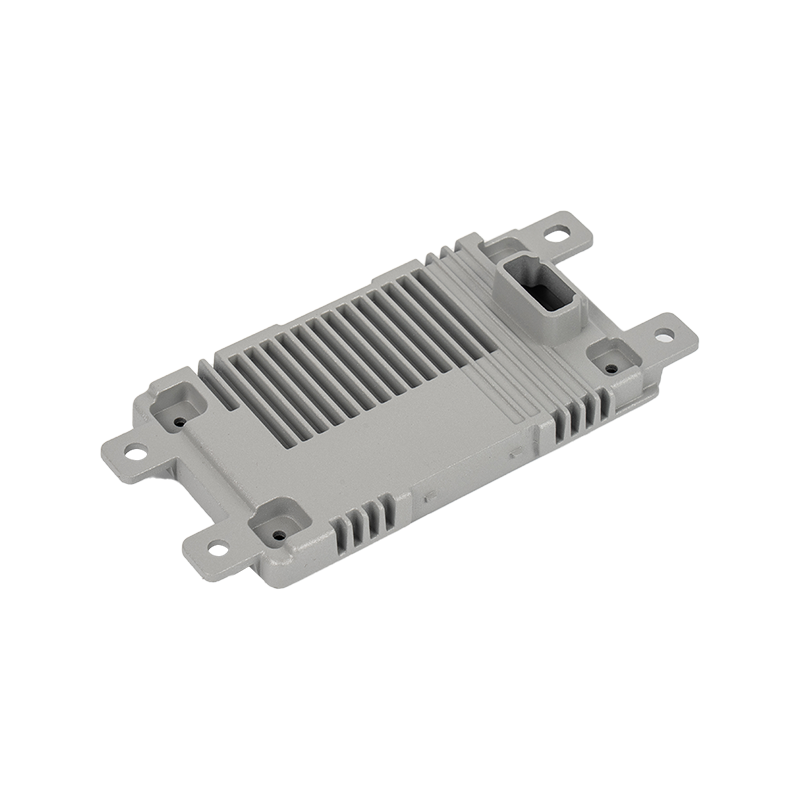
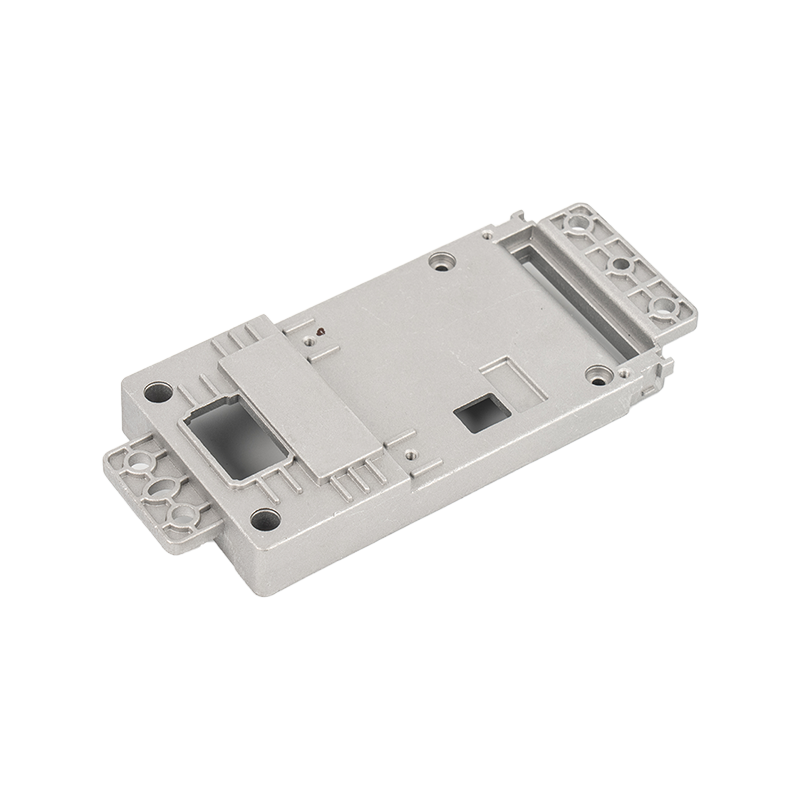
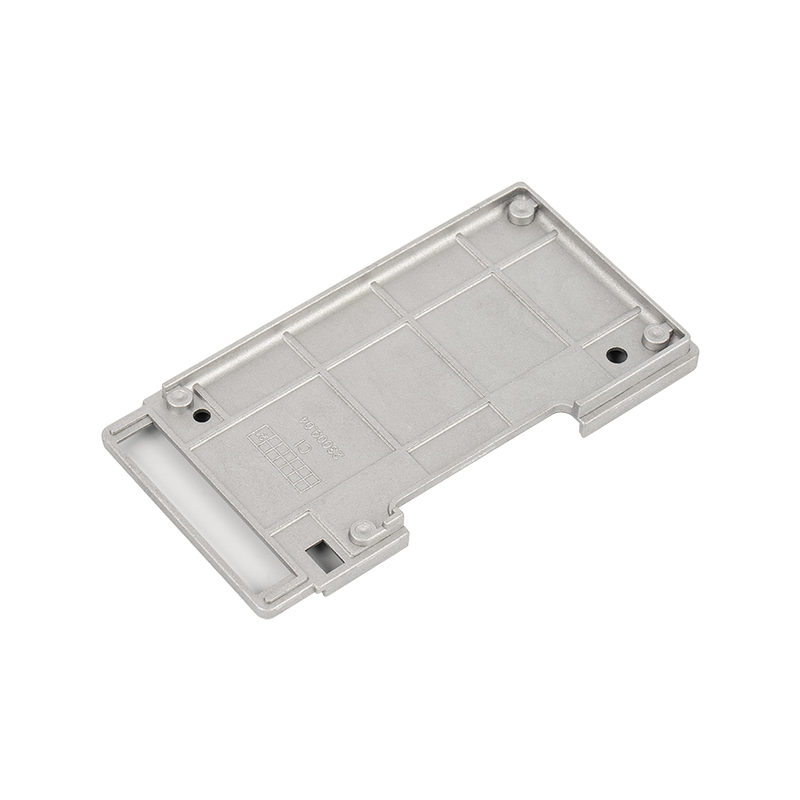
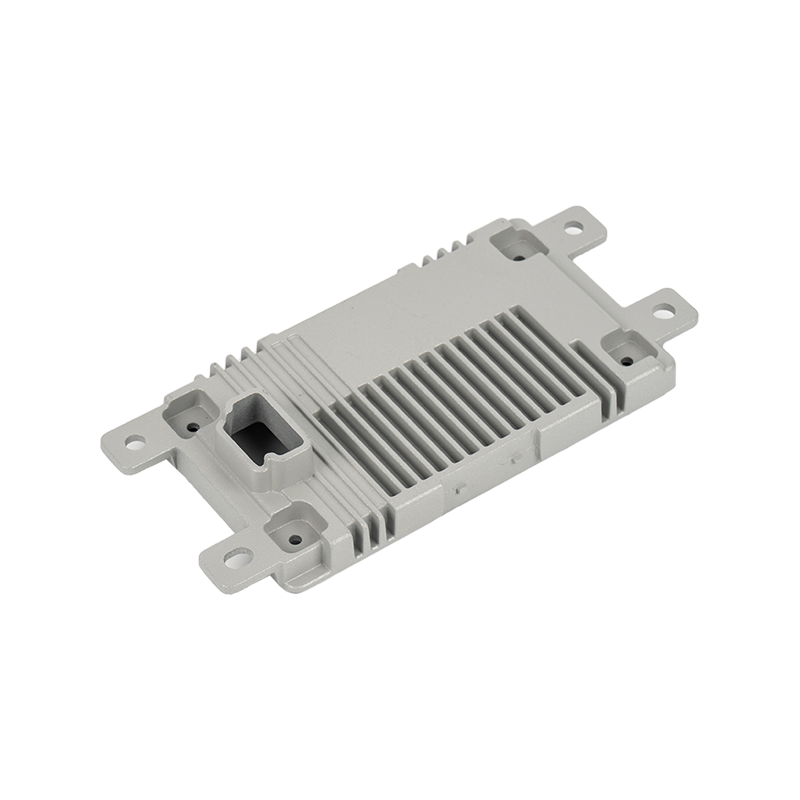
We are specialized in gas regulators, Motor Housing, Auto parts, Equipment parts, and Air pumps.

Founded in

Floor area

Professional Staff

ISO 9001:2015 System Certification
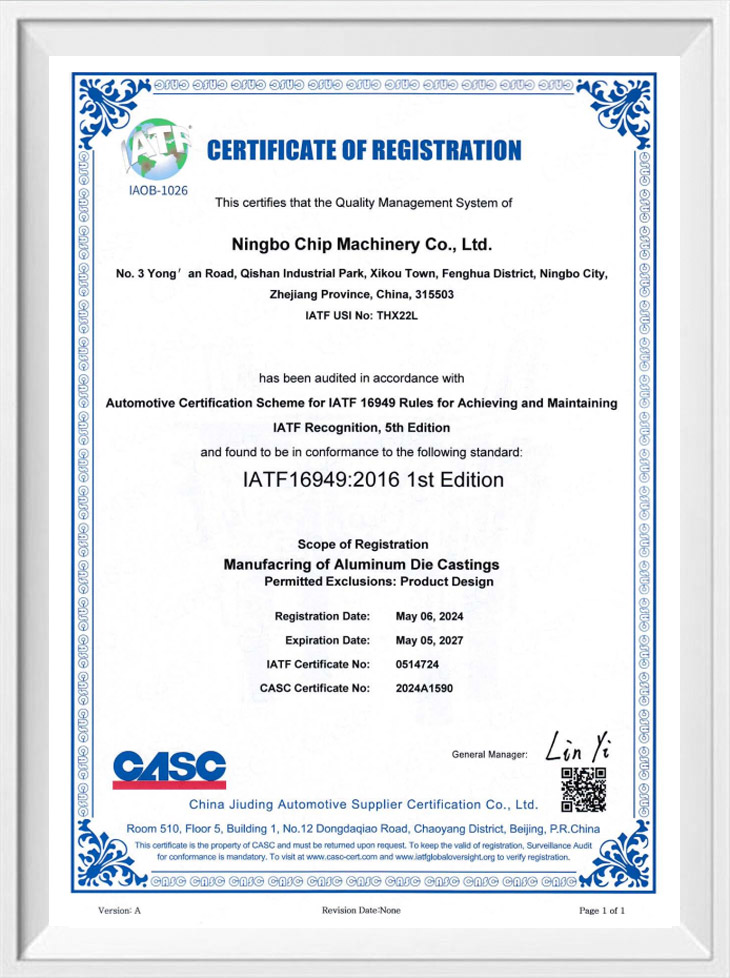
IATF16949:2016 System Certification

With the deep transformation of the global automotive industry toward lightweighting and high strength, modern vehicles have put forward strict requirements on core components. In this industrial transformation, the manufacturing technology of Auto Parts is shifting to high-precision forming, requiring components to maintain excellent dimensional stability under long-term high-frequency vibration and extreme temperature working conditions.
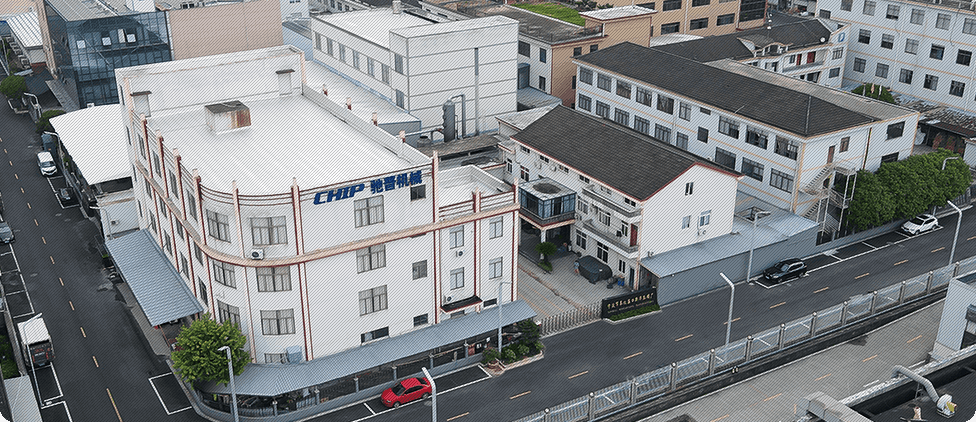
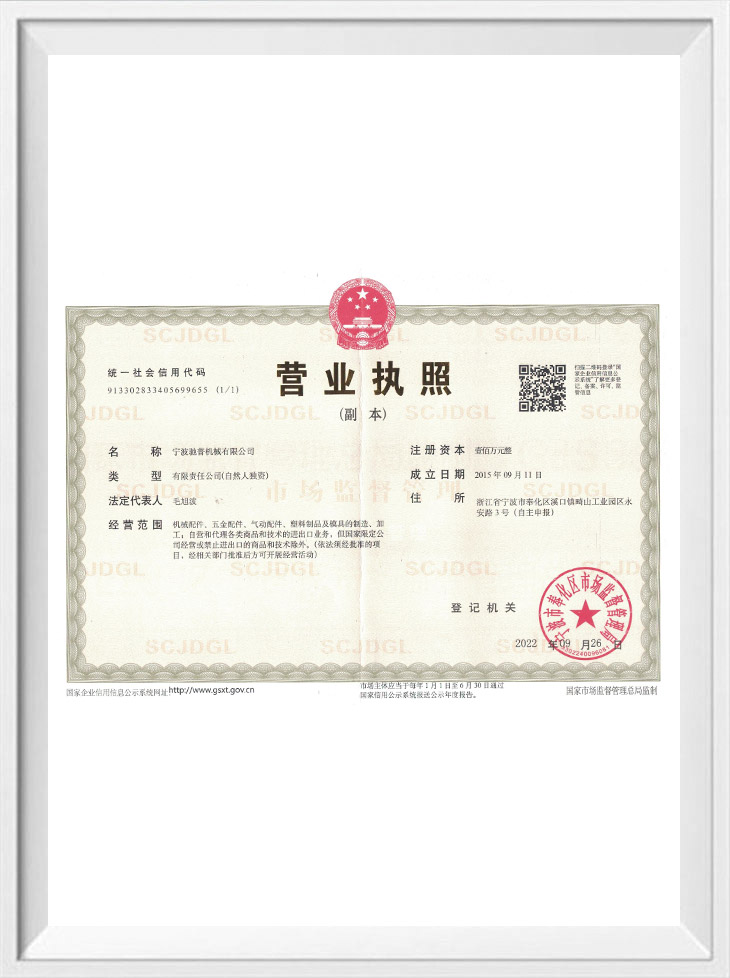
Among the wide variety of automotive component manufacturing processes, Auto Parts Casting and Auto Parts Die Casting constitute the technical foundation of modern vehicle structures. Traditional casting processes handle large-volume, thick-walled components, while modern high-pressure die casting technology demonstrates efficiency advantages when producing thin-walled, high-precision components. As a professional manufacturer established in 2015, NINGBO CHIP MACHINERY CO., LTD. integrates traditional casting experience with modern die casting technology within its 5000-square-meter production base, building a one-stop manufacturing service system covering mold making, die casting molding, precision machining, and surface treatment for global vehicle plants and Tier-1 suppliers.
The core technical parameters and characteristic comparisons of mainstream processes in modern automotive metal forming are listed below:
| Typical Wall Thickness Range | Standard High-Pressure Die Casting (Auto Parts Die Casting): 1.5mm - 5.0mm / Precision Gravity Casting (Auto Parts Casting): 4.5mm - 20.0mm |
| Dimensional Tolerance Accuracy | Standard High-Pressure Die Casting (Auto Parts Die Casting): +/-0.1mm to +/-0.15mm / Precision Gravity Casting (Auto Parts Casting): +/-0.3mm to +/-0.5mm |
| Surface Roughness | Standard High-Pressure Die Casting (Auto Parts Die Casting): Ra 1.6 um - Ra 3.2 um / Precision Gravity Casting (Auto Parts Casting): Ra 6.3 um - Ra 12.5 um |
| Production Cycle Efficiency | Standard High-Pressure Die Casting (Auto Parts Die Casting): Several times per minute / Precision Gravity Casting (Auto Parts Casting): Several minutes of cooling per filling |
| Mold Life Expectancy | Standard High-Pressure Die Casting (Auto Parts Die Casting): 100,000 - 150,000 times / Precision Gravity Casting (Auto Parts Casting): More than hundreds of thousands of times |
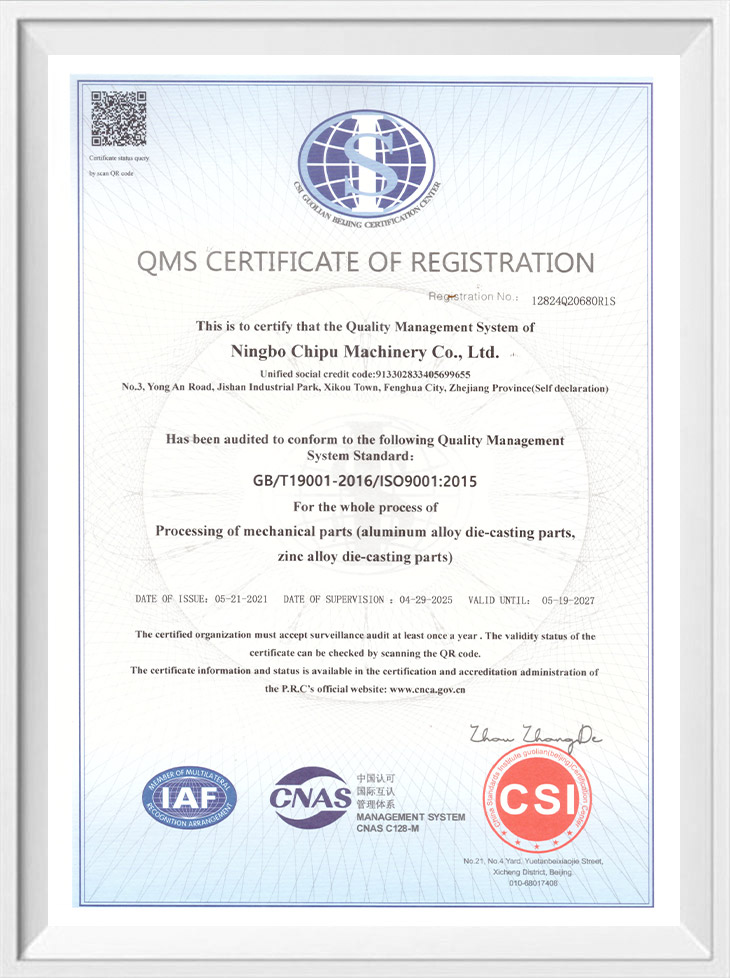
NINGBO CHIP MACHINERY CO., LTD. has fully passed the dual certifications of ISO 9001:2015 and IATF 16949:2016 automotive industry quality management system. This ensures that when producing diversified product lines involving gas regulators, motor housings, precision automotive parts, equipment parts, and air pumps, every batch of Auto Parts Die Casting components is under strict process control. Its high-quality Auto Parts have been exported to the USA, the UK, Germany, Japan, Korea, Taiwan, and other regions, establishing solid technical trust in the global lightweight automotive supply chain.
Modern vehicles have completely different physical requirements for metal components depending on their functional modules, requiring high-end manufacturing solutions that combine material science and structural design.
Traditional Auto Parts Casting manufacturing processes demonstrate high freedom of metal flow channel design for cylinder blocks, cylinder heads, and heavy brackets. NINGBO CHIP MACHINERY CO., LTD. utilizes its production process certified by the IATF 16949:2016 system to integrate design experience from air pumps and gas regulators into the development of powertrain metal components, suppressing porosity defects and maintaining zero leakage under high pressure.
In key parts such as shock towers, body longitudinal beams, and subframes, traditional steel plate stamping components are being replaced by integrated Auto Parts Die Casting components. The high-pressure die casting process achieves high rigidity and energy absorption performance while maintaining a thin wall thickness (below 2.0mm).
| Yield Strength and Tensile Performance | High-Vacuum Die Castings (Auto Parts Die Casting): Yield strength >= 140 MPa, tensile strength >= 260 MPa / Precision Castings (Auto Parts Casting): Yield strength >= 100 MPa, tensile strength >= 180 MPa |
| Elongation | High-Vacuum Die Castings (Auto Parts Die Casting): 7% - 10% (excellent crash cushioning) / Precision Castings (Auto Parts Casting): 2% - 5% (mainly emphasizes rigidity) |
| Complex Integration Capability | High-Vacuum Die Castings (Auto Parts Die Casting): High (integrates multiple stamping parts into a single component) / Precision Castings (Auto Parts Casting): Medium |
NINGBO CHIP MACHINERY CO., LTD. relies on its 5000-square-meter manufacturing base and capabilities in mold making and precision machining to excel in motor housings and transmission gearboxes. By conducting flow field and temperature field simulation at the front end of the mold, combined with later precision CNC machining and strict surface treatment, it ensures that the coaxiality of the housing bearing hole and face runout are controlled within the micron range, reducing NVH performance during driving.
Controlling the total cost of ownership (TCO) and improving terminal assembly efficiency are core strategies, evolving in two dimensions: "highly integrated processes" and "mass production economics."
Through advanced Auto Parts Die Casting technology, engineers introduce the Design for Manufacturing (DFM) concept to integrate a complex system of dozens of parts into a single precision die casting component. This eliminates subsequent welding lines, reducing labor costs and assembly errors.
High-pressure die casting and traditional casting have distinct economic performance characteristics under different production scales:
| Initial Tooling Investment | High-Pressure Die Casting (Auto Parts Die Casting): High (uses high-quality hot-work mold steels like H13) / Precision Casting (Auto Parts Casting): Low to medium (simpler mold structure) |
| Cycle Time and Productivity | High-Pressure Die Casting (Auto Parts Die Casting): Extremely fast (solidifies within dozens of seconds, suitable for high-volume) / Precision Casting (Auto Parts Casting): Slow (cycle takes several minutes to dozens of minutes) |
| Material Utilization Rate | High-Pressure Die Casting (Auto Parts Die Casting): Over 90% (residual materials can be directly remelted) / Precision Casting (Auto Parts Casting): 60% - 70% (large riser volume) |
NINGBO CHIP MACHINERY CO., LTD., founded in 2015, has implemented a one-stop service model within its 5000-square-meter manufacturing base, bringing mold making, high-volume Auto Parts Die Casting, multi-axis CNC Machining, and final Surface Treatment under a unified system. This integrated internal supply chain considers machining and coating factors from the mold design stage, lowering industrial scrap rates below the industry average for complex motor housings, air pump components, and gas regulators exported to Germany, the USA, Japan, the UK, and Korea.
Component dimensional tolerances and mechanical properties determine vehicle assembly accuracy and driving safety, requiring technical stability in mold design, melting processes, and precision machining.
High-pressure Auto Parts Die Casting injects molten metal into precision steel molds under ultra-high pressure (40 to 120 MPa), achieving near-net-shape capability that cuts down subsequent secondary machining. NINGBO CHIP MACHINERY CO., LTD. introduced a thermal balance control system during its mold making stage to perform zone micro-circulation temperature control, keeping key hole distances and positioning surfaces within narrow tolerance ranges.
The traditional Auto Parts Casting process eliminates internal porosity and improves mechanical properties through T6 heat treatment, while modern die casting forms a fine-grained layer near the mold wall to obtain surface rigidity. NINGBO CHIP MACHINERY CO., LTD. utilizes its technical specifications certified by ISO 9001:2015 and IATF 16949:2016 to carry out degassing, slag removal, and grain refinement during melting, ensuring motor housings and equipment parts maintain structural integrity under alternating loads.
The core mechanical properties of mainstream lightweight alloys for automobiles after precision forming are compared below:
| Tensile Strength (Rm) | Aluminum Alloy High-Pressure Die Casting (ADC12/A380): 240 - 310 MPa / Aluminum Alloy Precision Casting (A356-T6): 230 - 290 MPa / Magnesium Alloy Die Casting (AZ91D): 230 - 260 MPa |
| Yield Strength (Rp0.2) | Aluminum Alloy High-Pressure Die Casting (Auto Parts Die Casting): 140 - 180 MPa / Precision Casting (Auto Parts Casting): 180 - 220 MPa / Magnesium Alloy Die Casting: 150 - 160 MPa |
| Elastic Modulus and Rigidity | Aluminum alloy processes (die casting and casting): 70 - 72 GPa / Magnesium alloy processes: 45 GPa (good shock absorption performance) |
Through high-pressure filling, workpiece surface roughness directly reaches Ra 1.6 - Ra 3.2. NINGBO CHIP MACHINERY CO., LTD. has equipped subsequent Surface Treatment lines within its park to handle shot blasting for air pumps housings or chemical passivation for gas regulators, matching the technical thresholds of vehicle supply chains in the USA, the UK, Germany, Japan, Korea, and Taiwan.
A complete quality management system, advanced inspection equipment, and full-process traceability constitute an indispensable technical moat for high-end Auto Parts manufacturing.
Automotive industry standards require risk management (FMEA)-based prevention mechanisms in every link. NINGBO CHIP MACHINERY CO., LTD. has fully passed the ISO 9001:2015 quality management system certification and obtained the IATF 16949:2016 automotive industry quality management system dual certifications. When producing gas regulators, motor housings, precision automotive components, equipment parts, and air pumps, all process parameters are under real-time monitoring and dynamic closed-loop management to ensure the batch stability of Auto Parts Die Casting components.
Different inspection methods have different technical emphases when controlling defects of Auto Parts Casting and die castings:
| X-Ray Radiographic Testing | Core function: Detects internal defects like micro-holes and shrinkage cavities / Main application: Used for entrapped air holes in Auto Parts Die Casting and spot checks of large thickness castings. |
| CMM Dimensional Inspection | Core function: Spatial measurement on complex geometric shapes (accuracy reaches 1.5 um + L/300) / Main application: Aimed at critical installation surfaces and motor housing bearing holes. |
| Air Leakage Testing | Core function: Detects micro leakage in cavities through differential pressure / Main application: Widely used for air pumps housings, gas regulator valve bodies, and engine timing covers. |
NINGBO CHIP MACHINERY CO., LTD. plans the identification cavity during the mold making stage, combined with laser marking before Surface Treatment, giving each component a unique "identity code." Quality engineers can trace back to the batch of raw materials, machine number, die casting process parameters, CNC equipment details, and air tightness test records, enabling smooth export to the USA, the UK, Germany, Japan, Korea, and Taiwan.
Deep answers are provided below for the most representative technical details, technical specifications, and general knowledge during the forming process of modern vehicle components Auto Parts Manufacturing:
A: High-pressure die casting fills the mold under high velocity and pressure, creating a strong chilling effect against the steel mold wall that forms a dense surface "chilled layer" (0.5mm to 1.0mm thick) with excellent fatigue strength. Precision gravity or low-pressure casting (Auto Parts Casting) has a slower cooling speed, distributing grain structure more uniformly across the cross-section. This results in fewer internal entrapped air holes, making it more suitable for overall T6 heat treatment to improve overall elongation and impact toughness.
A: Eliminating porosity requires closed-loop control from three dimensions: first, use Mold Flow analysis software at the front end to optimize the pouring system and prevent turbulent air entrapment; second, carry out strict refining and vacuum degassing during melting to control hydrogen content; third, adopt precision high-vacuum die casting technology to evacuate air inside the cavity before injection. NINGBO CHIP MACHINERY CO., LTD. integrates this error prevention mechanism into the mold making stage within its 5000-square-meter manufacturing base and monitors injection speed curves on its die casting machines to control porosity within automotive standards (like VW 50093).
A: Mainstream application materials include aluminum-silicon-copper series (A380 / ADC12), aluminum-silicon-magnesium series (A356-T6), and magnesium-aluminum alloys (AZ91D). Their core thermophysical and mechanical parameters are listed below:
| Thermal Conductivity (at 20 deg C) | A380 / ADC12 (die casting): 96 - 100 W/(m * K) / A356-T6 (precision casting): 150 - 160 W/(m * K) / AZ91D (magnesium die casting): 51 W/(m * K) (density is only 2/3 of aluminum alloy) |
| Coefficient of Thermal Expansion (20-100 deg C) | A380 / ADC12: 21.1 x 10^-6 / K / A356-T6: 21.5 x 10^-6 / K / AZ91D: 25.0 x 10^-6 / K |
| Ultimate Shear Strength | A380 / ADC12 (Auto Parts Die Casting): >= 190 MPa / A356-T6 (Auto Parts Casting): >= 170 MPa / AZ91D: >= 140 MPa |
A: Typical mold life is between 100,000 and 150,000 shots, which can be extended to over 200,000 shots using imported mold steels like H13 or DIEVAR combined with surface treatment. To extend lifespan, manufacturers must implement scientific mold preheating and zone temperature control to avoid thermal fatigue cracks, periodically perform stress relief tempering during large-scale continuous mass production, and ensure uniform coating of mold release agents during each spraying to prevent erosion wear.
A: Integrated Auto Parts Die Casting requires larger molds and complex core-pulling systems, which increases the initial tooling investment. However, from a full lifecycle TCO perspective, it brings significant economic benefits: it completely eliminates subsequent construction costs of assembly lines for spot welding robots, reduces warehousing costs of work-in-progress (WIP), and lowers cumulative tolerance non-conformance rates. When the vehicle project reaches an annual production volume scale of more than 50,000 vehicles, the assembly and labor costs saved can cover the initial mold development capital expenditure in a short time.
A: Metal parts are susceptible to corrosion from salt spray during ocean transportation, resulting in white rust. Common surface solutions include: shot blasting/sand blasting to remove burrs and form a micro compressive stress layer, chrome-free passivation to improve matrix self-corrosion resistance, anodizing for strict wear and corrosion resistance, and electrophoretic coating (E-Coating). NINGBO CHIP MACHINERY CO., LTD. provides a complete Surface Treatment line within its plant area to deliver products directly according to the anti-corrosion technical specifications specified by US or European customers, passing neutral salt spray tests for 24 hours, 48 hours, or longer cycles.
A: The lifecycle is divided into two main stages: first, the Mold Development and Sampling Stage, where precision mold manufacturing (Mold making) and providing the first batch of T1 samples takes 30 to 45 working days; second, the Minimum Order Quantity (MOQ), where large die casting machines and melting furnaces incur high energy costs during startup, making the standard mass production MOQ 1,000 to 3,000 pieces per production run (volume can be adjusted for high added-value motor housings or precision equipment components). After the mold passes the PPAP sample signing, the standard Batch Lead Time for continuous mass production is controlled within 3 to 4 weeks.
A: Compliance lies in ensuring that the production process is controlled and predictable. Precision machining lines establish real-time control charts (X-bar R charts) for key core tolerances (KPC) to continuously measure process capability indexes (Cp, Cpk). The recognized standard in the automotive industry is Cpk >= 1.33, while ultra-critical dimensions related to driving safety require Cpk >= 1.67. By monitoring dimensional data trends in real time, operators perform tool compensation adjustments or replace worn tools before dimensions cross Control Limits, suppressing defect rates in mass production.
A: Experienced manufacturing enterprises participate in concurrent engineering at the beginning by conducting DFM (Design for Manufacturing) evaluations, helping customers optimize draft angles, adjust wall thickness transition zones to prevent shrinkage cavities, and plan positions of ejector pins. NINGBO CHIP MACHINERY CO., LTD.'s engineering team connects with CAD and CAE simulation software used internationally to provide numerical simulation reports of metal liquid flow velocity, filling temperature, and stress distribution from the early stage of mold development. This front-end technical support, combined with its passed ISO 9001:2015 quality system, allows its advanced Auto Parts to achieve connection with R&D teams in the USA, the UK, Germany, Japan, Korea, and Taiwan.
QR Code

Copyright © NINGBO CHIP MACHINERY CO., LTD. All Rights
Reserved
 Wholesale Aluminum Alloy Auto Parts Die Casting Manufacturers