


 English
  中文简体
中文简体 0
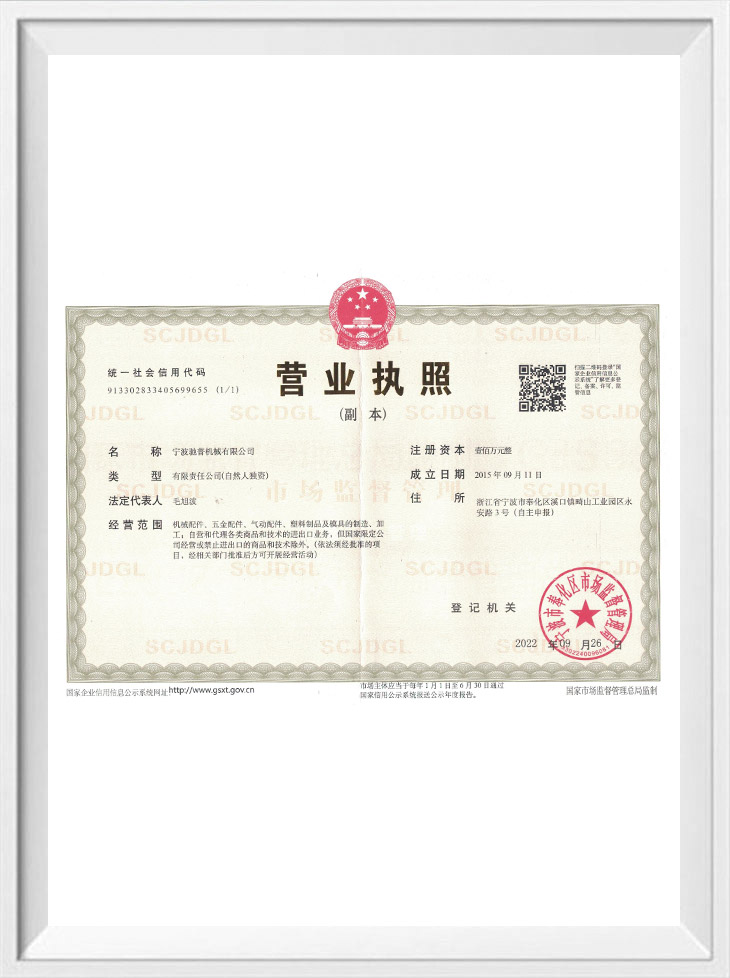
Founded in

Founded in

Floor area

Professional Staff

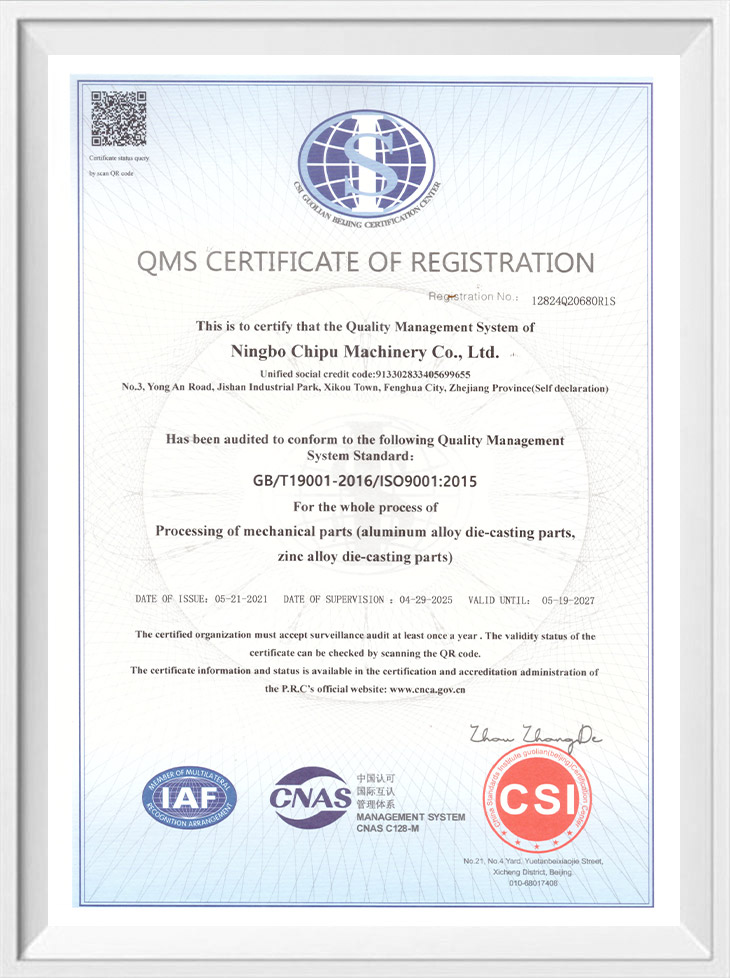
ISO 9001:2015 System Certification
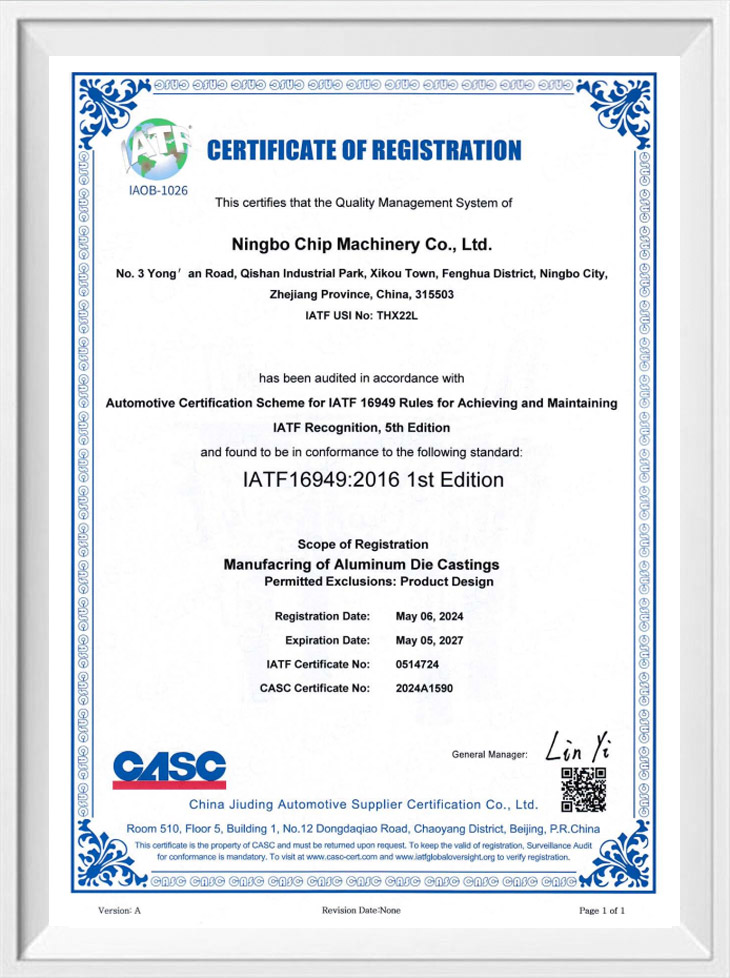
IATF16949:2016 System Certification

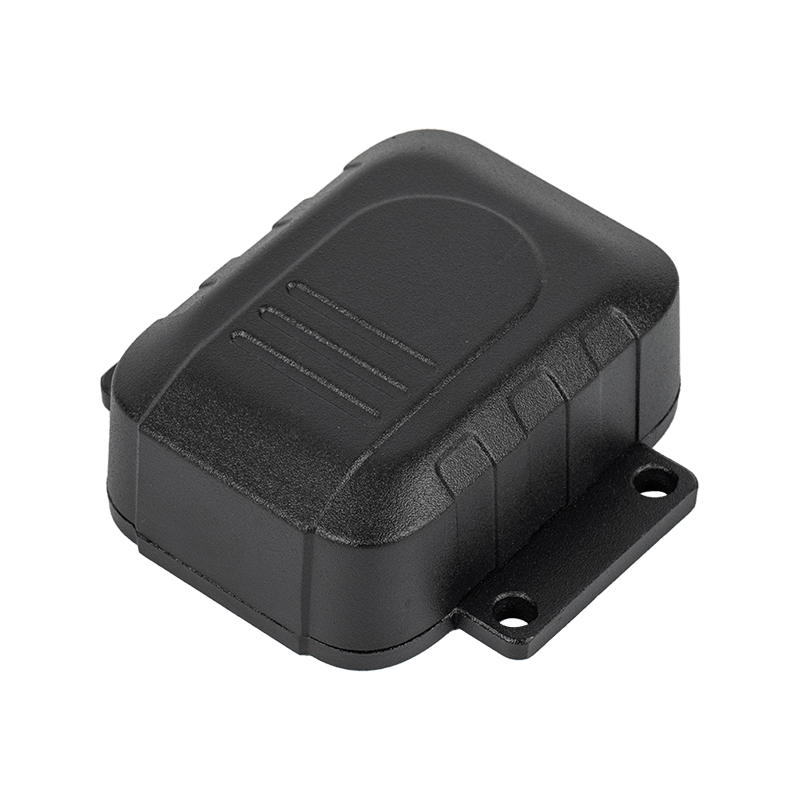
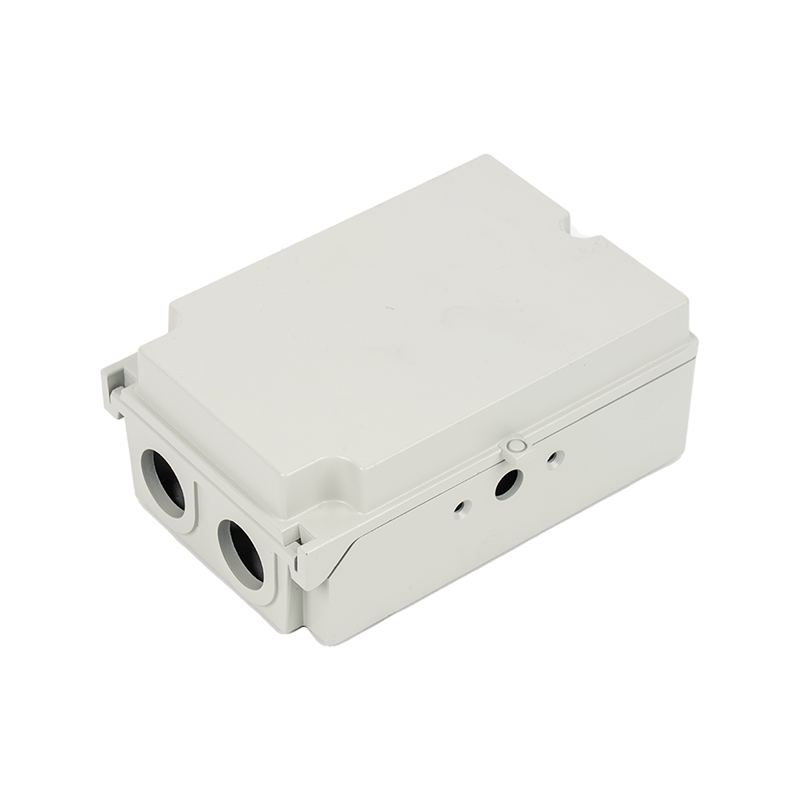
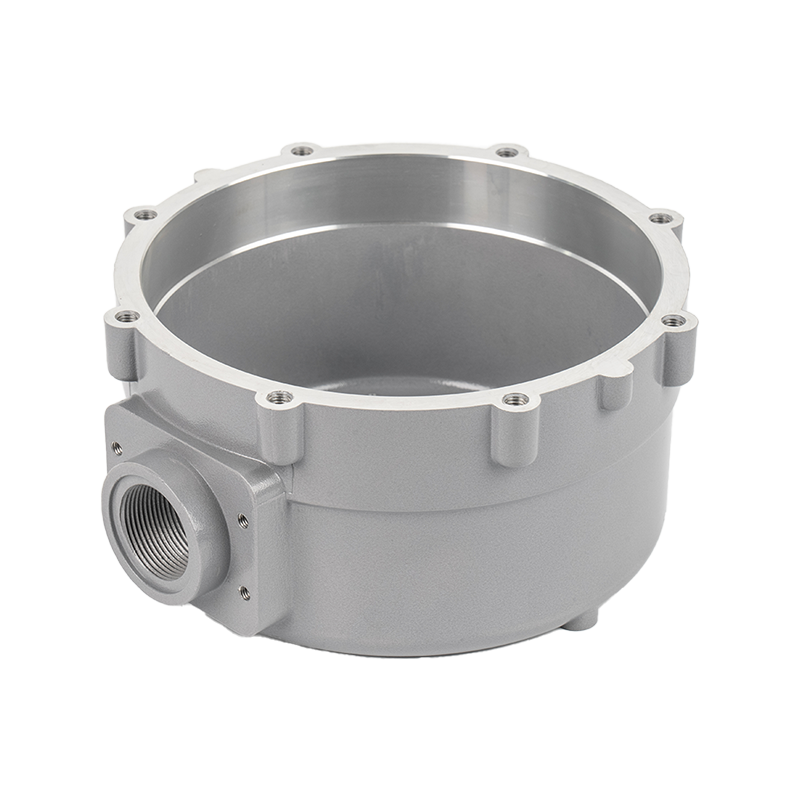
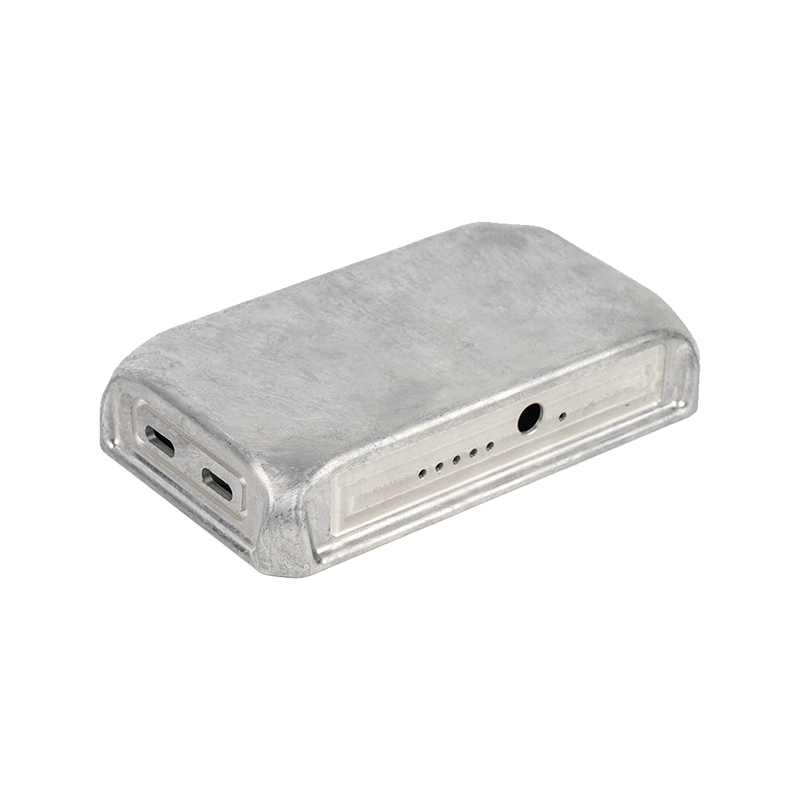
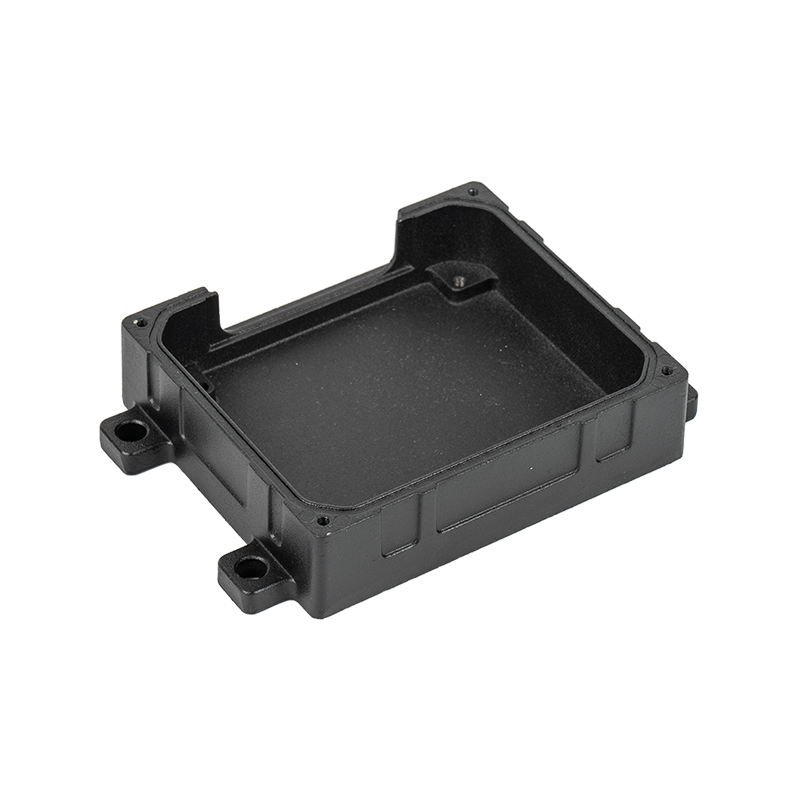
In modern industrial automation and precision measurement, the design level of an Instrument Housing often determines the service life and accuracy limit of core sensing units. For many high-precision devices, the shell has long transcended the role of mere "packaging"; it must serve as a protective armor capable of precisely resisting complex working conditions.
In the daily engineering practice of NINGBO CHIP MACHINERY CO., LTD., we deeply understand the core demands of our customers: how to achieve physical protection for precision electronic components while maintaining structural strength. Whether it is on a high-vibration engine test bench or in an outdoor industrial site with changing environments, a well-designed Instrument Housing must possess excellent vibration resistance and electromagnetic shielding properties. If the material selection is improper or the structural rigidity is insufficient, internal precision readings can easily be misled by mechanical stress or external electromagnetic interference.
When facing more complex and extreme operating sites, the performance indicators of Instrument Protective Enclosures become even more critical. They need to build a tight protective barrier to resist the continuous erosion of moisture, dust, oil, and even corrosive gases in the environment. Relying on the accumulation in precision component machining since our founding in 2015, NINGBO CHIP MACHINERY CO., LTD. consistently adheres to strict protective standards as our design intent, ensuring that every shell maintains absolute stability of the internal environment when dealing with temperature fluctuations or pressure changes.
This manufacturing philosophy, which closely integrates structural mechanics, sealing science, and system integration, is the core logic we consistently follow when providing one-stop industrial supporting services for global customers. From laboratory prototypes to mass production, we not only focus on the manufacturing of the shell itself but also care deeply about how it provides long-term, reliable operational guarantees for your systems.
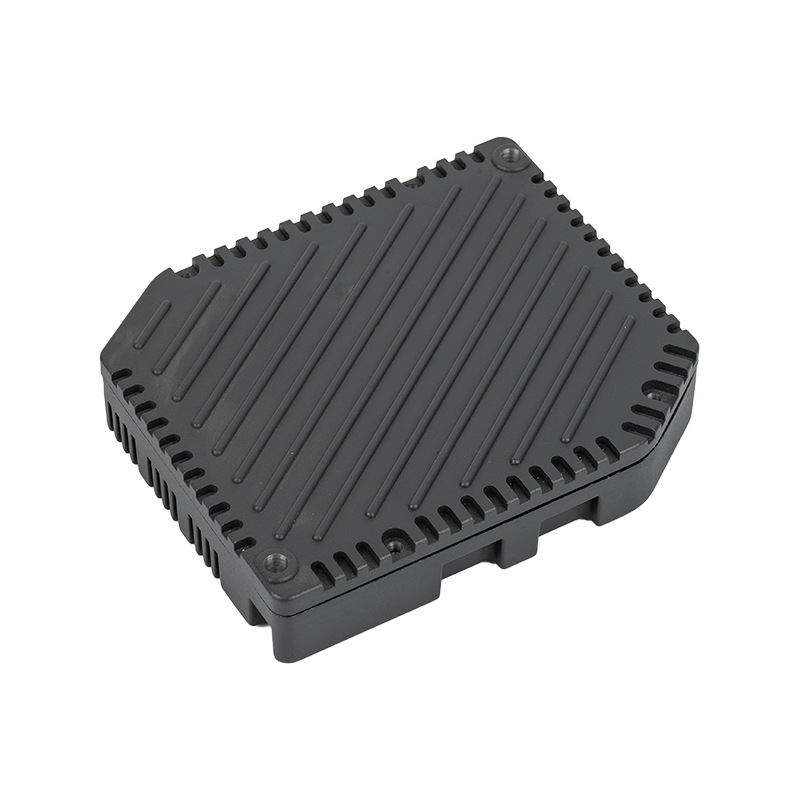
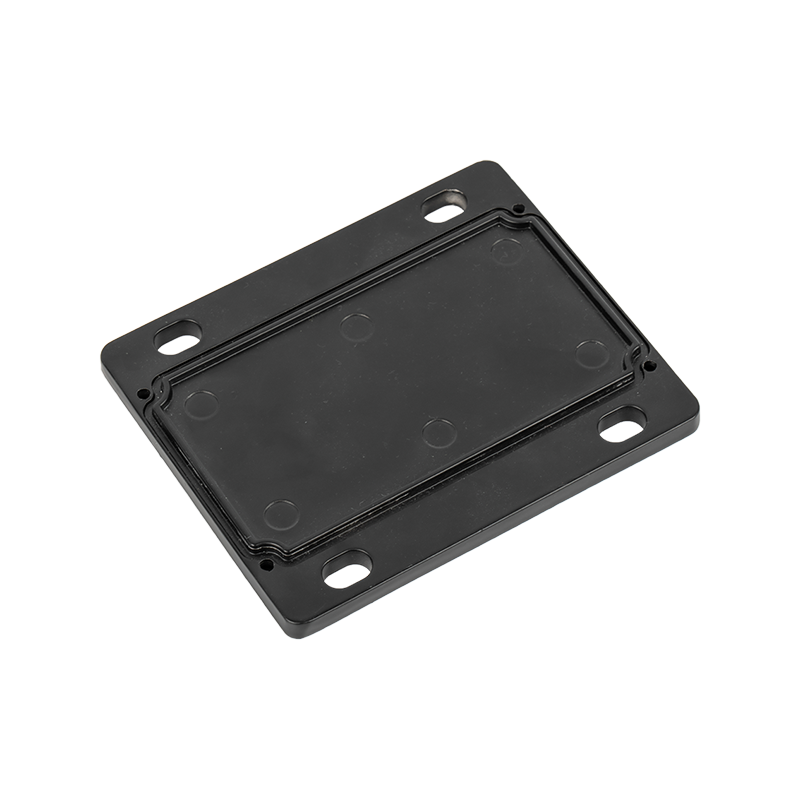
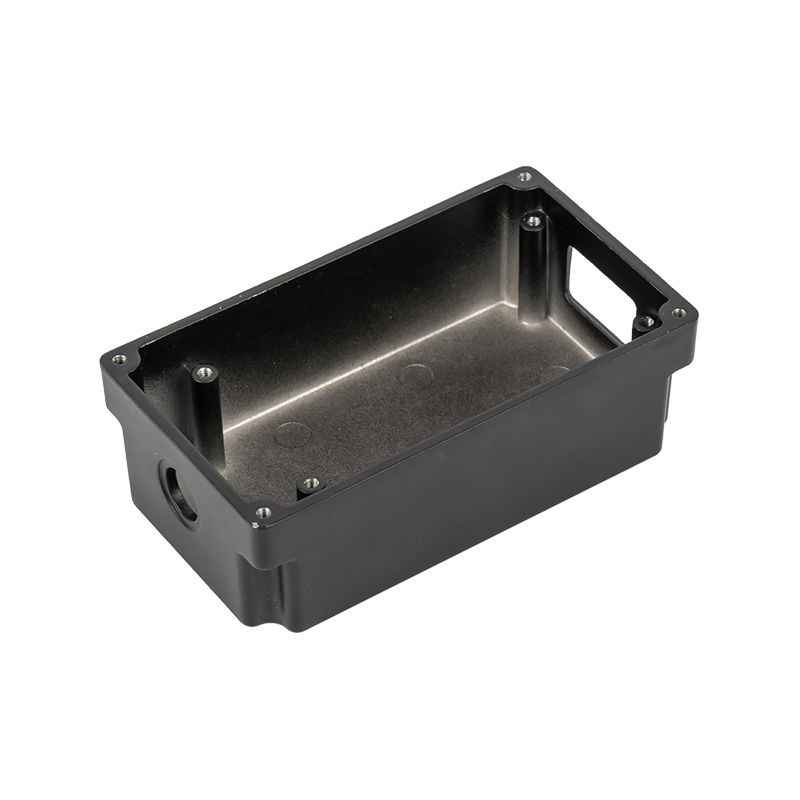
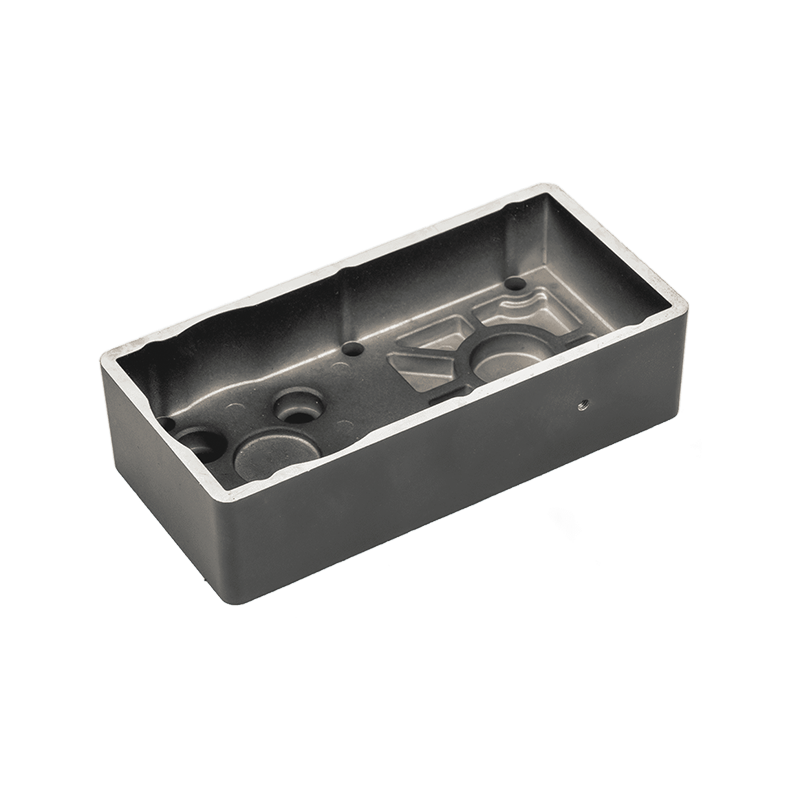
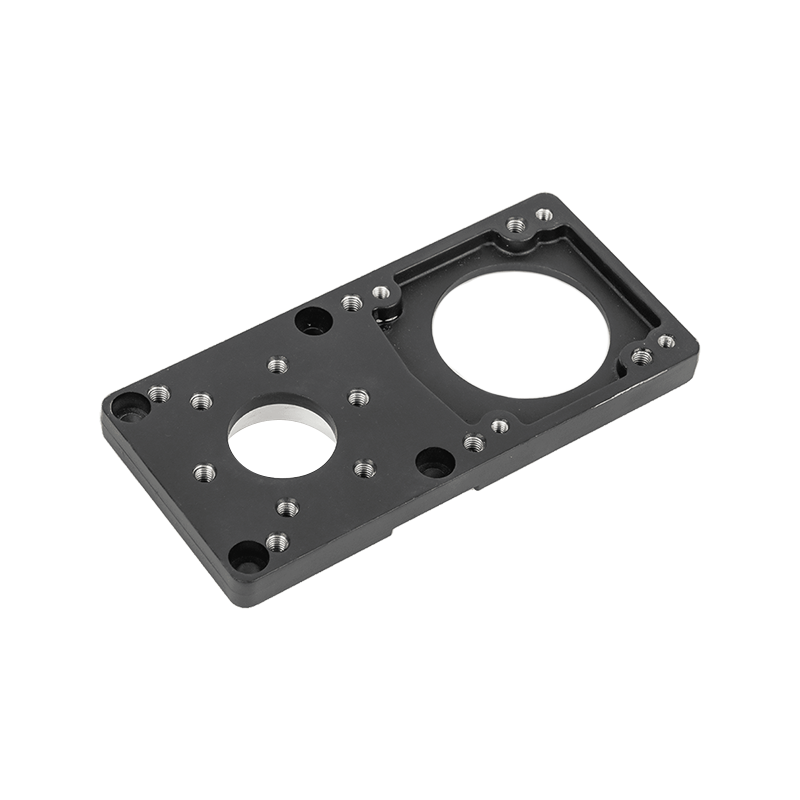
The key to achieving high protective performance often lies in the selection of manufacturing processes. Among many metal forming solutions, Instrument Housing Casting has become the preferred option for precision industrial equipment due to its ability to achieve complex structures in a single molding. Compared with traditional cutting and machining, casting technology can directly shape complex internal cavities, stiffeners, and cooling fins, which is crucial for improving structural integration and reducing weight.
As an enterprise deeply involved in the precision components field for many years, NINGBO CHIP MACHINERY CO., LTD. maintains an extremely strict quality management system when handling Instrument Protective Enclosures Casting. We have passed ISO 9001:2015 and IATF 16949:2016 system certifications to ensure that every process, from the initial mold design to the final casting, is under control. In actual production, we have found that shells formed by die-casting processes have significantly higher density and dimensional stability than common assembled or welded parts.
To give customers a more intuitive understanding of process differences, we can analyze them through the following parameter comparison:
| Key Technical Indicators | Precision Die Casting (Casting) | Traditional Welding/Sheet Metal Machining |
| Structural Complexity | High (Capable of complex surfaces and internal stiffeners) | Low (Mainly simple bending) |
| Sealing Reliability | Extremely High (Integrated structure, no physical gaps) | Medium (Relies on welds, prone to fatigue cracking) |
| Heat Dissipation | Excellent (Integrated structure, low thermal resistance) | Good (Heat transfer efficiency limited by connection points) |
| Vibration/Torsion Strength | Extremely High (Uniform material density distribution) | Medium (Limited by the strength of connecting parts) |
| Mass Production Tolerance | Micron-level (Combined with high-precision post-processing) | Millimeter-level (Susceptible to manual assembly errors) |
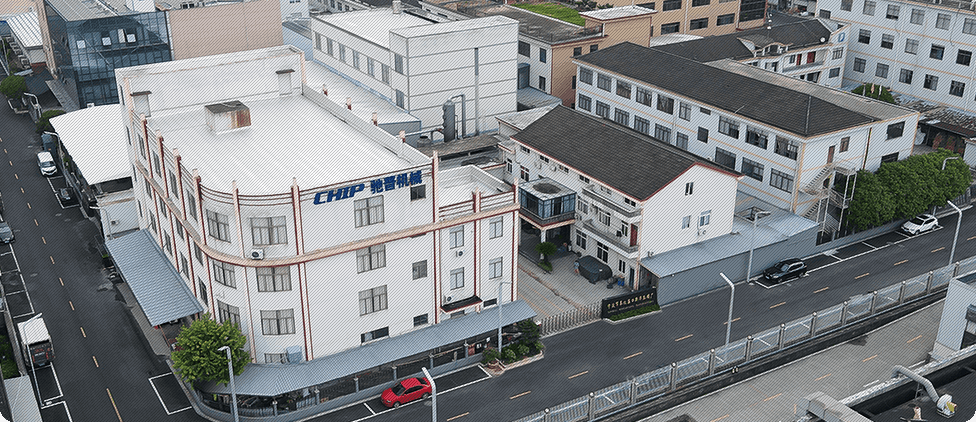
Within the 5000-square-meter manufacturing base of NINGBO CHIP MACHINERY CO., LTD., we not only focus on the casting process itself but also incorporate subsequent machining and surface treatment into our one-stop service scope. The significance of this full-process coverage mode is that we can pre-evaluate the influence of casting cooling shrinkage on subsequent installation holes, thereby performing precision compensation at the early stage of mold development. Through this method, the Instrument Housing Casting we produce can easily meet the engineering requirements of high-standard markets in the USA, Germany, and Japan, providing a solid structural foundation for global precision equipment manufacturing.
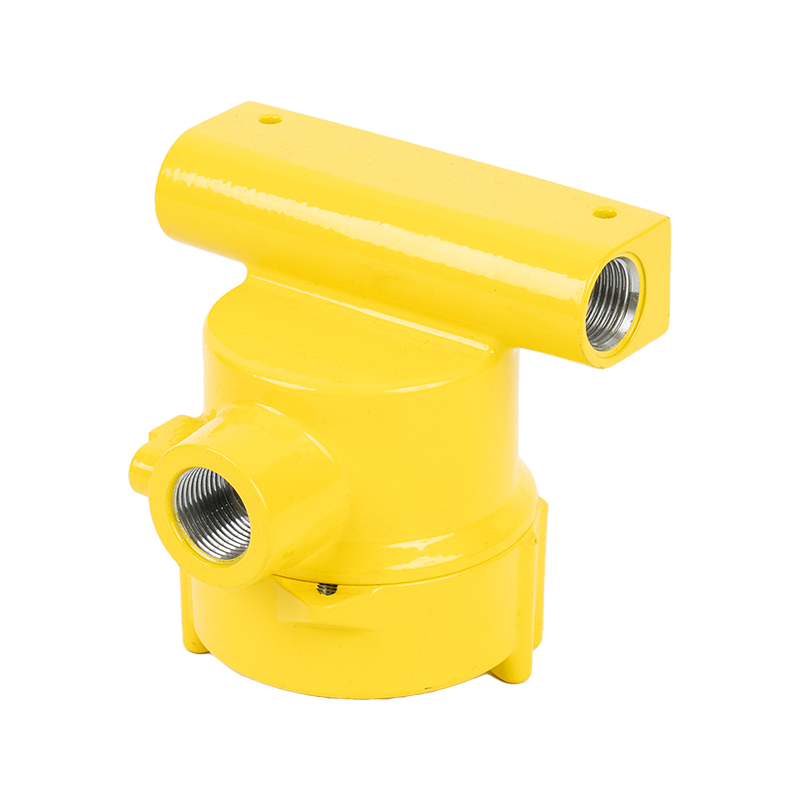
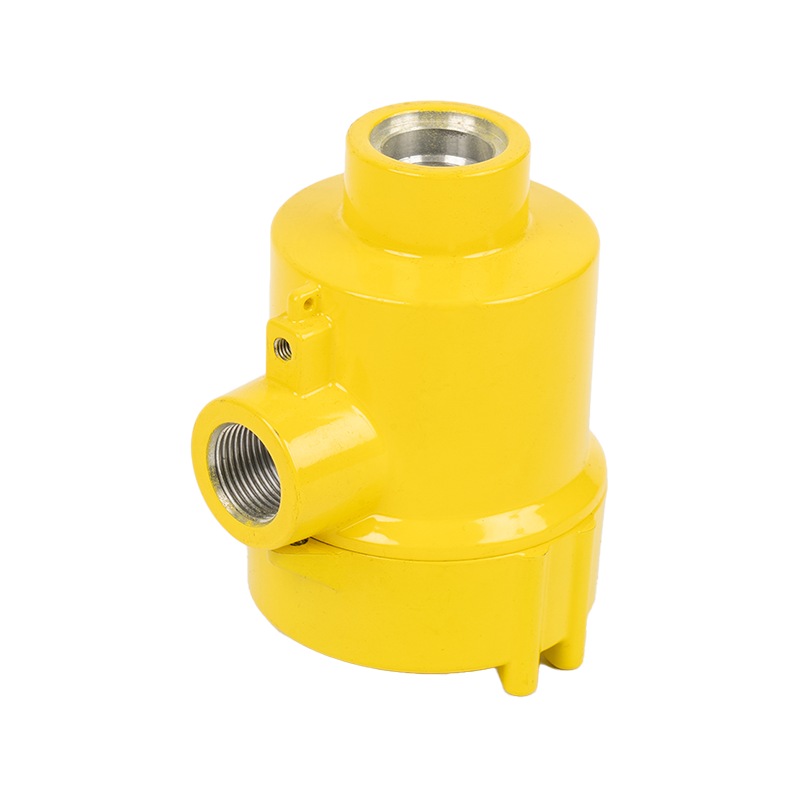
The essence of an Instrument Housing capable of handling extreme working conditions lies in the ultimate control of metal material properties and manufacturing details. At NINGBO CHIP MACHINERY CO., LTD., we know that shells require not only "hardness" but also targeted material performance matching to deal with the challenges of different industrial environments. For example, for applications such as gas regulators or air pumps, not only is high airtightness required, but the internal flow path structure also needs to be precisely designed.
During the R&D of Instrument Protective Enclosures, surface treatment technology is often the final link that determines the durability of the product. Through anodizing, powder coating, or anti-corrosion coatings for specific chemical environments, we can elevate the weather resistance of the castings to a new level. The following are performance comparisons of different surface treatment processes in our actual engineering, which can help you better select the appropriate protection scheme for your instruments:
| Surface Treatment Process | Core Protective Properties | Environmental Adaptability | Cost/Durability Ratio |
| Anodizing | Improves surface hardness and wear resistance | Suitable for general indoor and dry outdoor | High |
| Powder Coating | Excellent corrosion and impact resistance | Suitable for heavy industry and complex outdoor climates | High |
| Electroplating | Ultimate rust prevention and conductivity/magnetic properties | Suitable for marine environments with severe salt spray corrosion | Medium |
| Passivation | Enhances natural rust resistance of stainless steel | Suitable for clean environments such as chemical/medical | Medium |
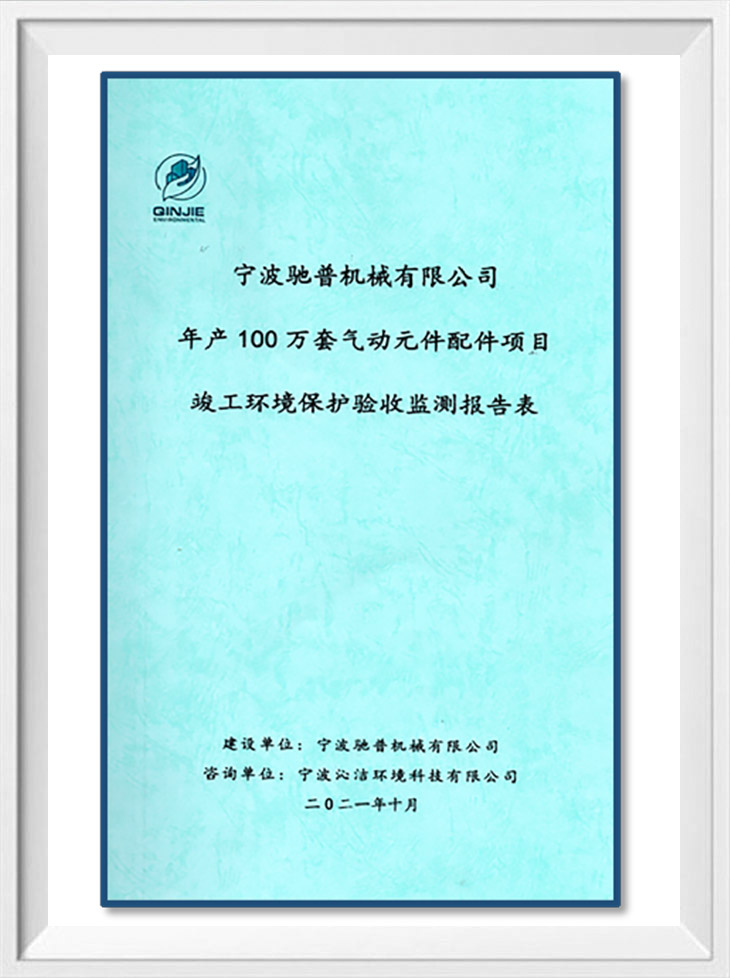
To ensure our products possess excellent competitiveness after entering the European, American, and Japanese/Korean markets, NINGBO CHIP MACHINERY CO., LTD. relies on our environmental assessment qualifications to conduct strict pressure tests and surface adhesion tests on every batch of Instrument Housing Casting. We not only focus on the shell itself but also pay attention to the precision of its fit with internal electrical interfaces. For instance, when designing the cooling fins for Instrument Protective Enclosures, we optimized the spacing and thickness of the fins through simulated heat field distribution, significantly improving heat dissipation efficiency without increasing the shell weight. This persistence in technical details is the core reason why the shells we provide can carry various high-sensitivity devices and stand out in the demanding global supply chain.
Choosing an ideal instrument housing is essentially about finding the best balance between application requirements, cost control, and manufacturing processes. In our cooperation with global customers, NINGBO CHIP MACHINERY CO., LTD. has found that if many projects do not fully consider the limitations of molding processes in the early design stage, high mold modification costs or assembly tolerance problems often arise later.
To help engineering teams make optimal decisions, we recommend evaluating Instrument Protective Enclosures from the following dimensions:
First, clarify the environment in which the equipment will be placed long-term. For example, instruments in chemical environments require not only extremely high sealing performance but also materials capable of resisting chemical corrosion. Relying on the deep manufacturing accumulation of NINGBO CHIP MACHINERY CO., LTD. in areas like air pumps, gas regulator components, and auto parts over the years, we can provide targeted material suggestions to ensure the shell will not undergo stress corrosion cracking.
Not all shells require expensive mold development. For products with simple structures and few internal cavities, simple mechanical machining may suffice; however, for parts that need to integrate complex heat dissipation structures, multiple sealing grooves, and precision positioning posts, Instrument Housing Casting is undoubtedly the optimal choice for balancing efficiency and precision.
Through the parameter comparison in the table below, you can more clearly judge which manufacturing path is most suitable for the current R&D stage:
| Evaluation Dimension | Prototype Small-Batch Trial | Medium-to-Large Scale Production |
| Main Manufacturing Method | CNC Precision Machining | Die Casting + Post-processing |
| Unit Cost | Higher (Labor/Machine hour costs) | Extremely Low (Advantage after mold amortization) |
| Design Flexibility | Extremely High (Design can be modified at any time) | Low (High modification costs after mold finalization) |
| Dimensional Consistency | Excellent | Extremely High (Mold ensures stability) |
| Lead Time | Rapid Response (Days to weeks) | Longer (Requires mold making and debugging) |
In practice, you can leverage the "one-stop" service mode provided by NINGBO CHIP MACHINERY CO., LTD. to reduce risks in this process. We possess a 5000-square-meter production base and a professional mold manufacturing team, intervening from the early stage of design drawing optimization to help customers avoid potential casting defects caused by uneven wall thickness or improper draft angles. Our deep execution of ISO 9001:2015 and IATF 16949:2016 systems means that whether your product is for the precision equipment market in Japan or Korea, or entering the mainstream supply chain in Europe and America, we can provide quality certifications that meet international standards. Through reasonable process planning, you can effectively shorten the shell development cycle while ensuring high yield rates on the assembly line.
During long-term international cooperation and technical support, NINGBO CHIP MACHINERY CO., LTD. frequently receives various consultations from customers regarding shell design and production. The following is a professional breakdown regarding the core aspects of Instrument Housing and Instrument Protective Enclosures Casting:
Answer: Casting is an forming process aimed at obtaining metal blanks with complex structures. If the product has extremely high precision requirements for internal installation holes or flatness (e.g., micron-level), we adopt a combination path of "Precision Casting + CNC Numerical Control Machining." In the workshop of NINGBO CHIP MACHINERY CO., LTD., we reserve machining allowances and perform secondary precision machining in subsequent processes to ensure the fit precision of the shell fully meets industrial instrument installation standards.
Answer: There is an essential difference between the two in protective ratings (IP ratings) and structural design. Common storage boxes usually only have basic dustproof functions, while Instrument Protective Enclosures must consider waterproof structures for sealing grooves, wall thickness designs for impact resistance, and groove designs for sealing rings tailored to specific environments. The table below compares the key design differences:
| Dimension | Common Instrument Box | High-Performance Instrument Protective Enclosures |
| Sealing | Simple clips, limited sealing performance | Groove sealing design, reaching IP65/IP67/IP68 ratings |
| Structural Integrity | Assembled structure, easy to deform | Integrated casting, strong torsion resistance |
| Harsh Environment Tolerance | General, susceptible to corrosion | Surface anti-corrosion treatment, resistant to salt spray/UV |
| Installation Compatibility | Standardized size, limited fixed points | Internal capacity for various studs and mounts (Integrated) |
Answer: The rationality of the design determines the quality of the casting. We suggest focusing on three core elements at the initial design stage: first is wall thickness uniformity, as sudden changes in thickness can lead to casting shrinkage; second is the draft angle, which is a prerequisite for ensuring Instrument Housing Casting is successfully demolded; finally, fillet design, as good transitional fillets can greatly alleviate stress concentration. The technical team at NINGBO CHIP MACHINERY CO., LTD. conducts strict simulation reviews during the mold design phase to avoid these common manufacturing risks.
Answer: Metal housings are natural Faraday cages. Conductive metal materials like aluminum alloys can effectively reflect and absorb electromagnetic waves, thereby shielding external interference. For products requiring higher shielding effectiveness, we usually recommend using conductive sealing strips. For equipment involving high-precision frequency acquisition, our rich experience can help customers find the optimal balance between shell wall thickness and shielding rate.
Answer: Long-term protection mainly relies on the quality of the surface treatment process. NINGBO CHIP MACHINERY CO., LTD. provides anodizing, powder coating, or electroplating services based on specific requirements to handle the different climate environments in Germany, the UK, and other regions. We suggest that users regularly check the compression resilience of the sealing rings during daily maintenance and avoid using strong acid or alkali reagents to directly clean the shell surface to prevent irreversible damage to the protective coating. Through the standardized management of ISO 9001:2015 and IATF 16949:2016, every shell we produce is documented to ensure stable protective performance in different countries and regional environments.
QR Code

Copyright © NINGBO CHIP MACHINERY CO., LTD. All Rights
Reserved
 Wholesale Aluminum Alloy Instrument Housing Die Casting Manufacturers