


 English
  中文简体
中文简体 0
Founded in

Founded in

Floor area

Professional Staff

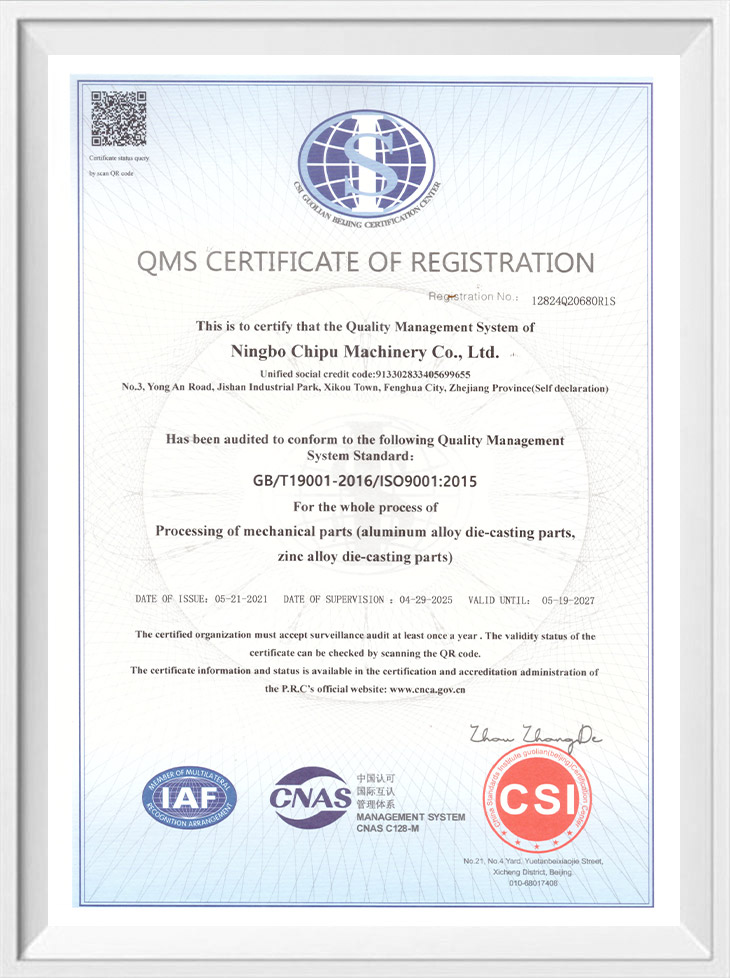
ISO 9001:2015 System Certification
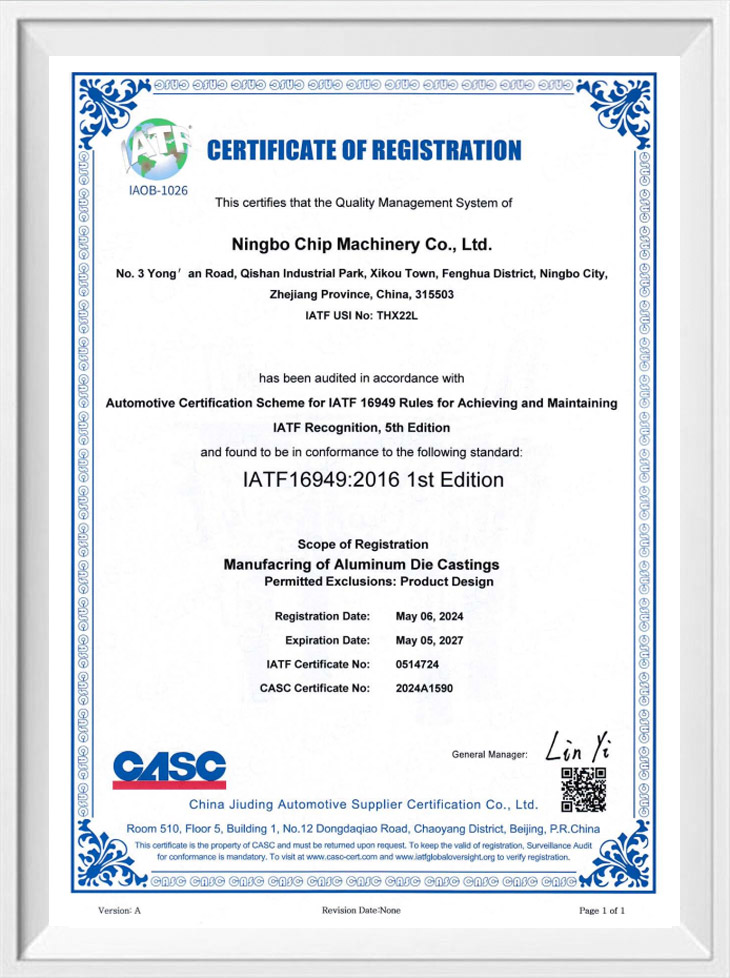
IATF16949:2016 System Certification


In the field of modern precision manufacturing and industrial automation, the stability of fluid control systems directly determines the safety and efficacy of the entire engineering setup. The Pressure-Reducing Valve serves as a core component of these systems, functioning to automatically regulate and stabilize the fluctuating inlet pressure into a controlled outlet pressure range, thereby effectively protecting downstream equipment from pressure-related damage.
This pressure regulation process adheres to rigorous fluid dynamics principles. Whether in complex industrial pipe networks, gas regulation equipment, or automotive power systems, the pressure-reducing valve consistently acts as a "guardian." Since its founding in 2015, NINGBO CHIP MACHINERY CO., LTD. has gained a profound understanding of how fluid control impacts overall equipment performance during its years of intensive work in precision component manufacturing. By leveraging this expertise and our high-standard R&D and production layout, we ensure that every pressure-reducing valve system achieves a smooth transition from high pressure to low pressure.
To better understand the core parameter selection for pressure-reducing valves in industrial applications, the table below outlines several key indicators that must be balanced during design:
| Key Parameter | Definition and Importance | Industrial Requirement Standards |
| Inlet Pressure | The pressure value at the valve inlet, determining the load-bearing capacity of the housing. | Must pass static pressure testing to ensure reliable sealing. |
| Set Pressure | The target outlet pressure preset for the valve. | Accuracy is typically required to be within ±5%. |
| Flow Coefficient (Kv/Cv) | The ability of the valve to pass fluid, reflecting efficiency. | Must be matched to specific pipe diameters and medium viscosity. |
| Turndown Ratio | The ratio of maximum to minimum flow at which the valve can control steadily. | Higher values indicate more balanced performance across different loads. |
In actual production and application scenarios, simply understanding these physical parameters is insufficient. Within its 5,000-square-meter modern production facility, NINGBO CHIP MACHINERY CO., LTD. goes beyond manufacturing single parts; we integrate industrial chain resources ranging from mold making to precision machining. This ensures that every pressure-reducing valve system we produce exhibits high response sensitivity and durability, whether facing extreme pressure fluctuations or operating in continuous industrial environments.
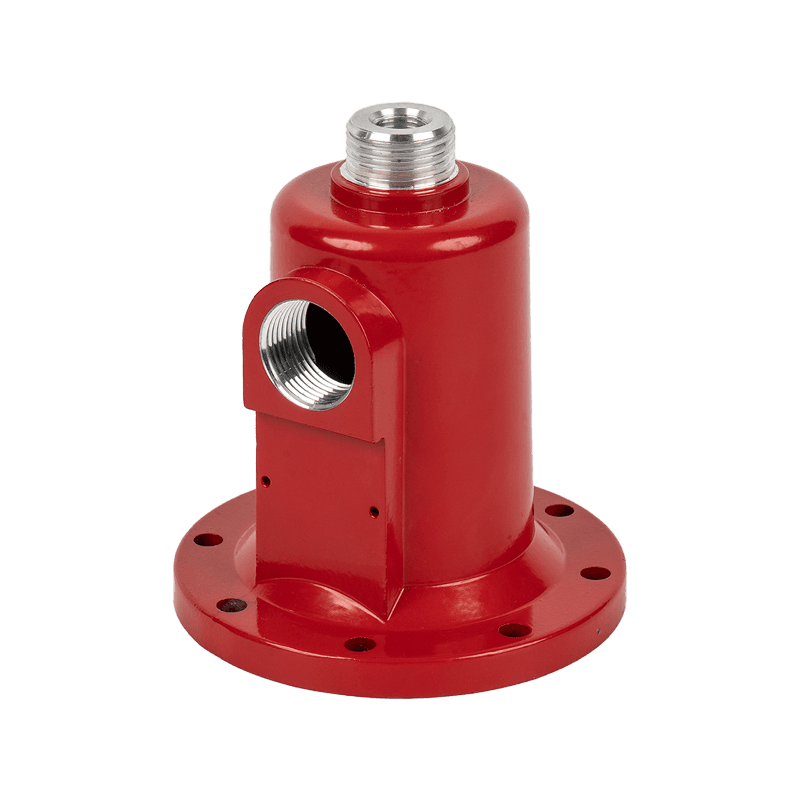
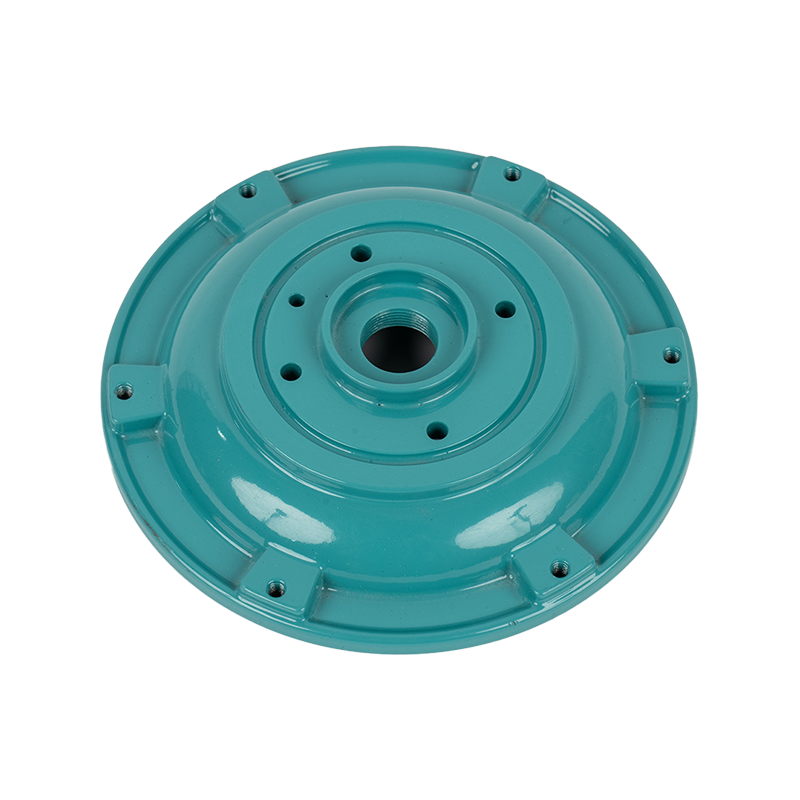
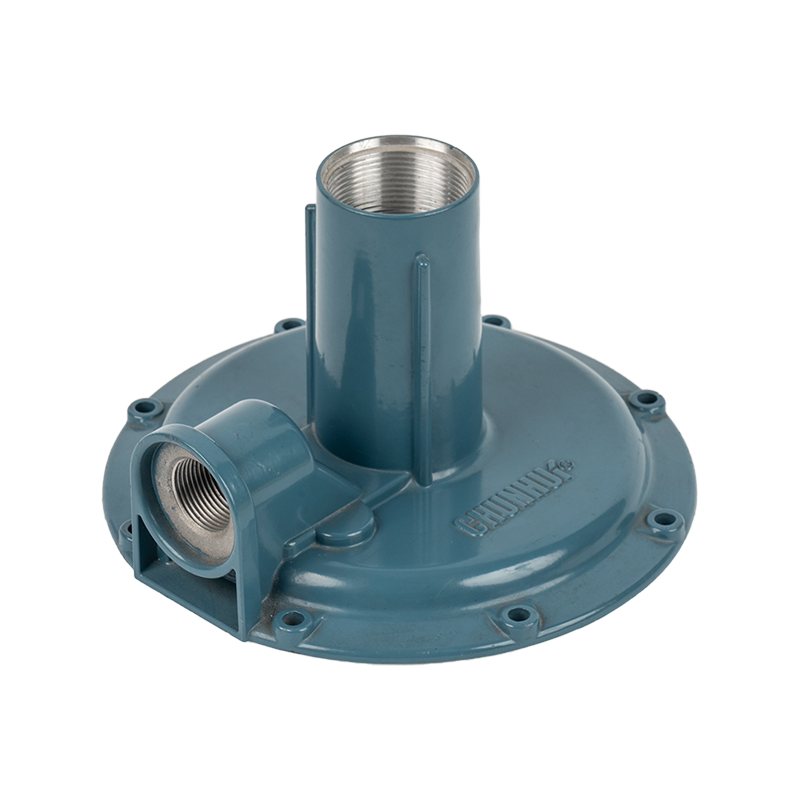
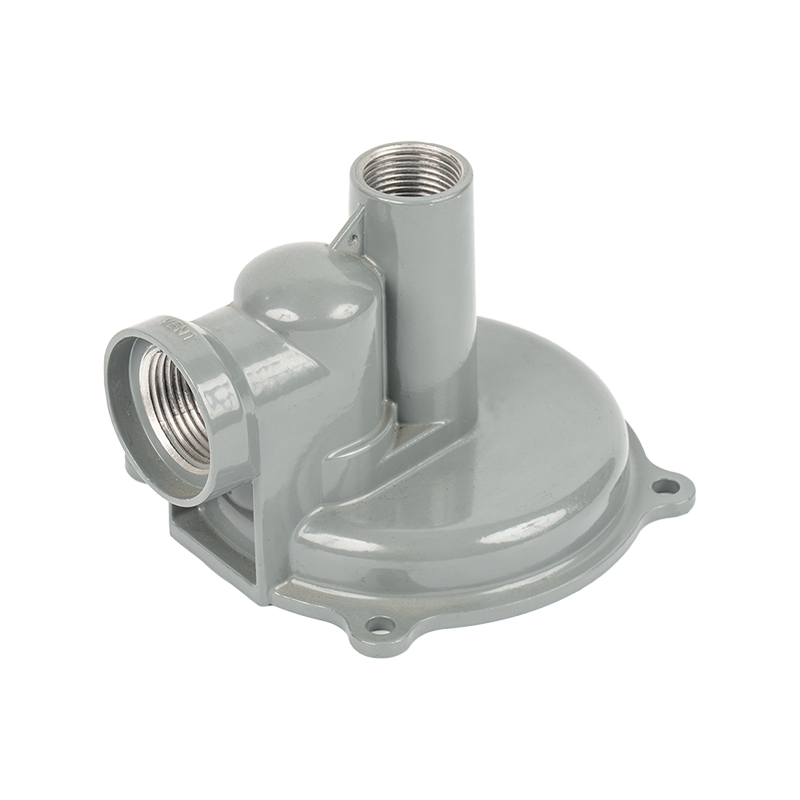
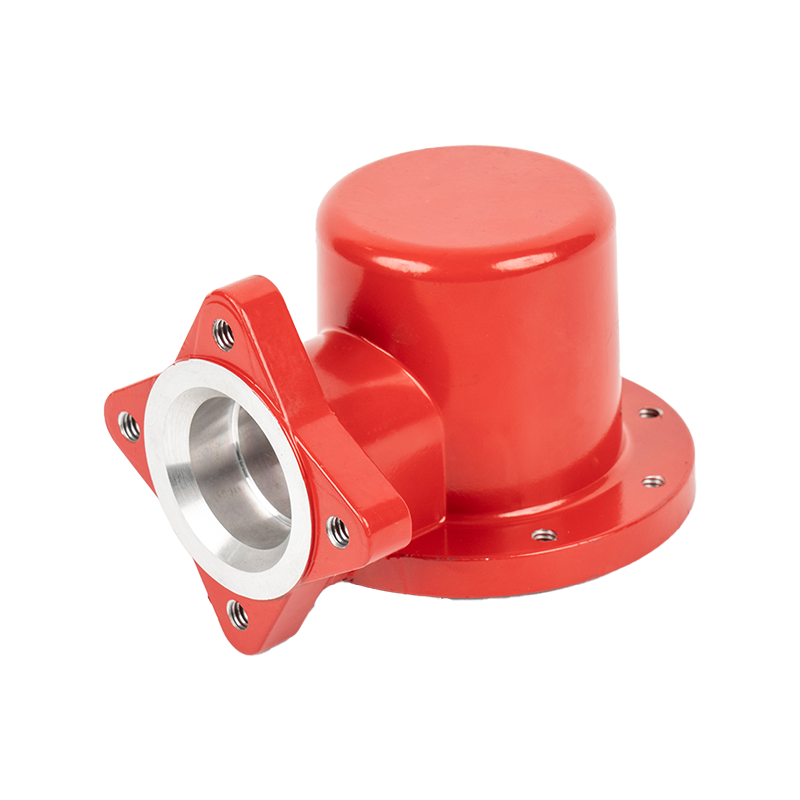
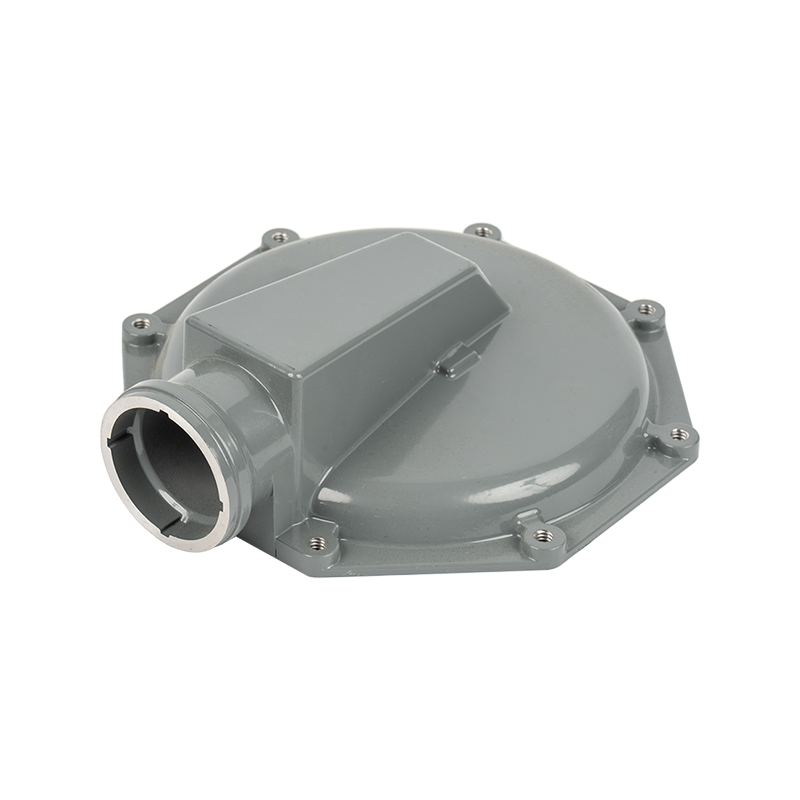
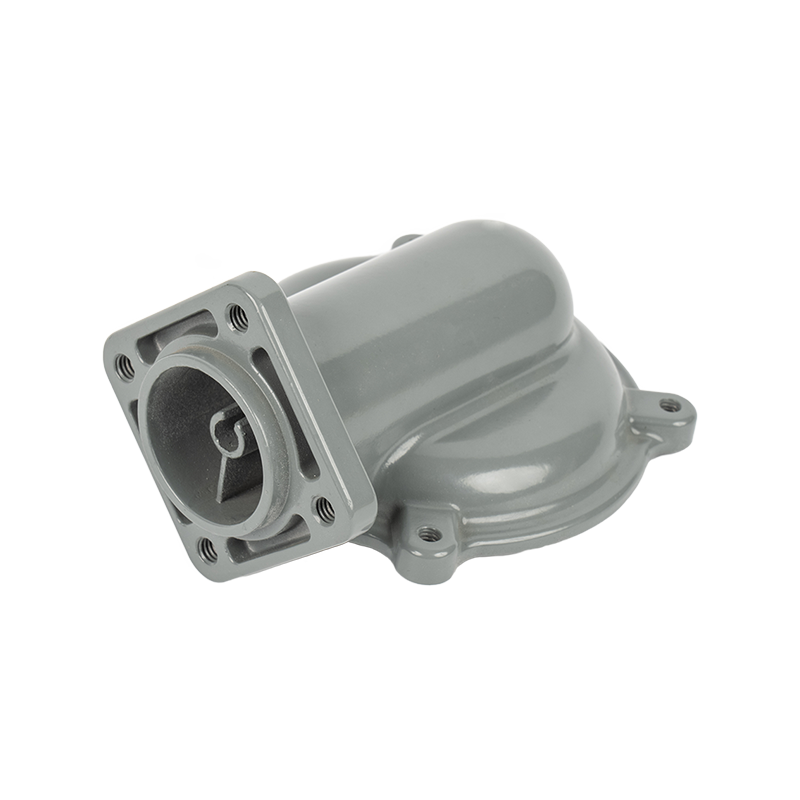
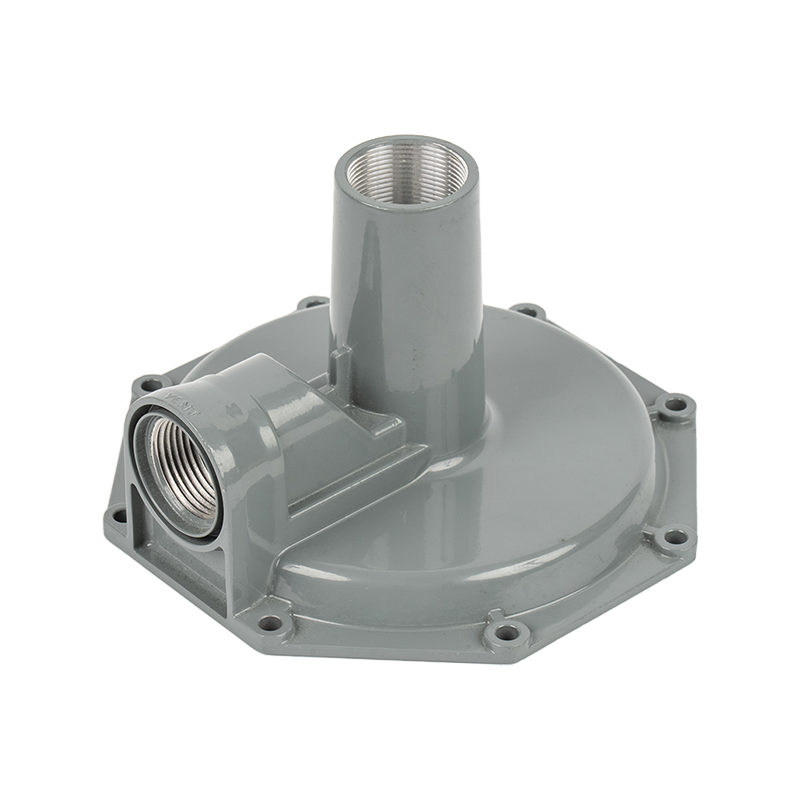
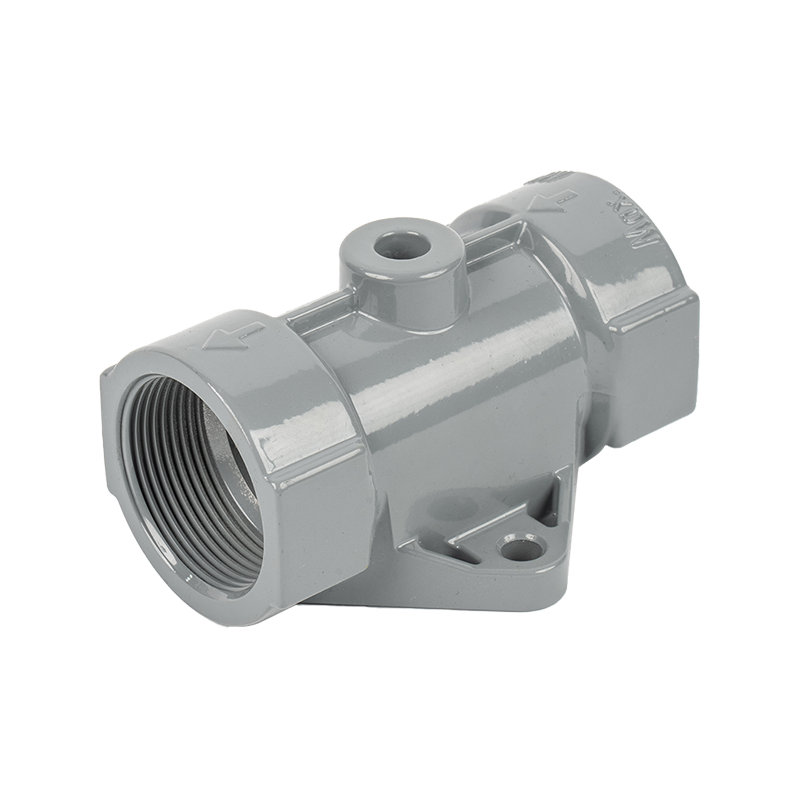
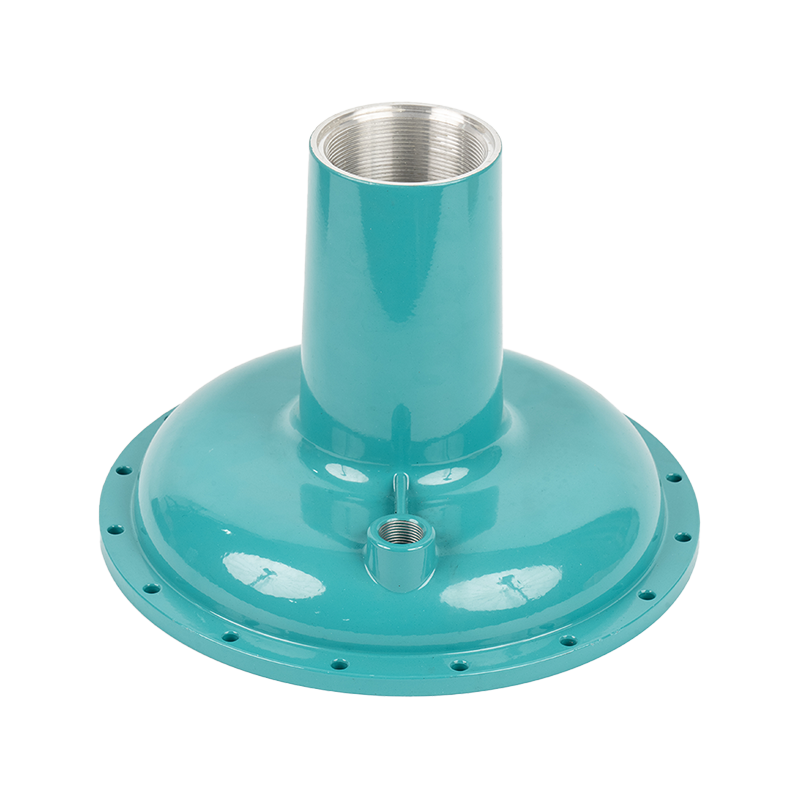
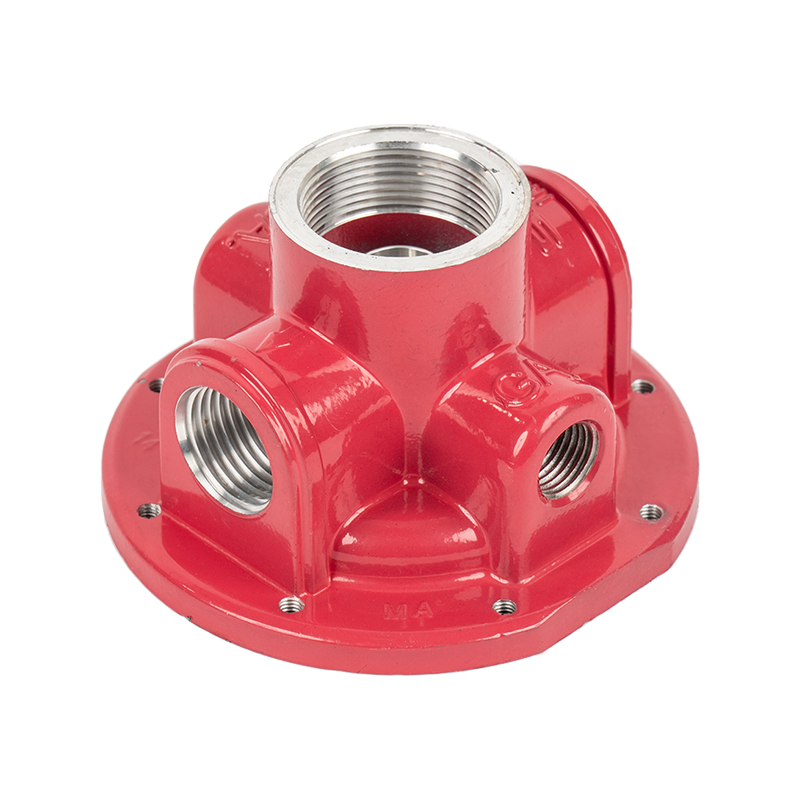
In a pressure-reducing valve system, the Pressure Reducing Valve Housings serve as more than just a passage for fluid; they are the critical outer shell that bears the internal pressure of the entire system. A well-designed housing must not only withstand static pressure within the pipeline but also resist the dynamic impact forces generated by high-speed fluid flow. Therefore, structural strength, flow path geometry, and seal reliability are the three core considerations in housing design.
In the field of housing design, NINGBO CHIP MACHINERY CO., LTD. relies on its IATF 16949:2016-certified quality management system to incorporate computational fluid dynamics simulation into structural optimization during the initial design phase. Through advanced mold design and integrated machining solutions, the company ensures the smoothness of internal flow paths, thereby significantly reducing turbulence and cavitation. Cavitation is often the culprit behind premature internal wear, noise, and even structural failure; precise chamber design effectively mitigates these risks.
To better understand the performance differences in material selection and design for Pressure Reducing Valve Housings, the following table compares common design dimensions:
| Dimension | Optimization Direction | Technical Challenges and Responses |
| Wall Thickness Uniformity | Ensures uniform pressure distribution and prevents local stress concentration. | NINGBO CHIP MACHINERY CO., LTD. uses precision mold control to ensure micron-level thickness tolerances, avoiding weak casting points. |
| Flow Geometry | Smooth transitions to reduce fluid resistance and pressure loss. | Reduces corners and dead zones to prevent material erosion caused by high-speed flow impact. |
| Seal Interface Fit | High-precision flatness and seal groove machining. | Requires stable machining processes to ensure zero leakage under high pressure. |
| Material Density | Increases density to improve fatigue life. | Employs optimized melting processes to ensure the housing does not experience brittle fracture in complex temperature environments. |
For NINGBO CHIP MACHINERY CO., LTD., housing design is not just about physical dimensions; it is about absolute control over manufacturing details. The one-stop service provided by the company—covering mold making and machining—ensures that everything from the initial casting of the housing to final precision hole machining is completed under the same standard. This highly integrated production chain avoids the size errors and quality fluctuations that occur with multi-vendor outsourcing, ensuring that every delivered housing exhibits high structural stability in demanding applications like gas regulators or automotive parts.
Turning complex fluid control designs into durable industrial components, the Pressure-Reducing Valve Casting process is the heart of the entire production chain that determines product quality. The success or failure of the casting not only relates to the integrity of the housing appearance but directly determines whether the valve can withstand high-pressure fluctuations over long periods of operation without cracking, sand holes, or leaks.
In the production practices of NINGBO CHIP MACHINERY CO., LTD., casting is viewed as a precision engineering task rather than rough processing. Leveraging our 5,000-square-meter modern facility, we flexibly apply sand casting and investment casting processes to meet different valve specifications. For valve bodies with complex shapes and strict internal flow path requirements, investment casting enables near-net-shape production, significantly reducing the workload of subsequent machining while ensuring material density.
To help users more intuitively understand the performance of different casting processes in the production of pressure-reducing valves, the following table compares mainstream processes:
| Evaluation Dimension | Sand Casting | Investment Casting |
| Dimensional Accuracy | Medium, requires larger machining allowance | High, close to final product size |
| Surface Roughness | Higher (rougher) | Very low (smooth) |
| Material Density | Prone to porosity, suitable for thick-walled parts | Excellent, no significant shrinkage |
| Structural Complexity | Good, suitable for large valve bodies | Excellent, suitable for thin-walled, complex flow paths |
| Cost-Effectiveness | Low cost for small-to-medium batches | Superior unit cost for high-complexity valves |
Every link in the casting process, from temperature control during melting to vent design in the mold cavity, must follow strict quality control procedures. At NINGBO CHIP MACHINERY CO., LTD., supported by ISO 9001:2015 system certification, the process team conducts metallographic analysis and material spectrum testing on every batch of products to ensure the castings meet international standards. Especially for pressure-reducing valves used in high-pressure environments, the internal quality of the casting (such as tensile strength and elongation) is the lifeline of operational safety.
For a Pressure-Reducing Valve, the housing is not just a simple metal shell; it is a precision pressure vessel that endures long-term physical stress, chemical erosion, and thermal expansion and contraction. Therefore, material selection directly determines the fatigue life of the valve under extreme working conditions. In metallurgy, a single material is often unable to balance hardness, toughness, and machinability, requiring the manufacturer to have deep expertise in alloy ratios and heat treatment processes.
In the daily operations of NINGBO CHIP MACHINERY CO., LTD., we understand that different industries have significantly different requirements for materials. For instance, in hydraulic systems for automotive parts and civil gas regulation equipment, there is a high demand for material ductility and damping properties; whereas in the manufacturing of industrial equipment parts, greater emphasis is placed on oxidation resistance and creep resistance at high temperatures. By integrating our precision casting capabilities with material science research, the company can customize alloy materials for global customers that suit specific working conditions, ensuring that every housing made through the Pressure-Reducing Valve Casting process achieves optimal material performance.
To assist engineering technicians in better material selection, we have compiled a comparison of key physical parameters for common pressure-reducing valve materials:
| Material Type | Tensile Strength (MPa) | Corrosion Resistance | Main Application Scenarios |
| Ductile Iron | 400 - 700 | Medium | General fluids, high-pressure gas regulation |
| Austenitic Stainless Steel | 500 - 800 | Excellent | Acid/alkali environments, food/pharma equipment |
| Bronze/Copper Alloy | 200 - 400 | High | Marine environments, special gas media |
| Aluminum Alloy | 200 - 350 | Low-Medium | High lightweighting requirements |
During actual manufacturing, material properties must be further strengthened through heat treatment. NINGBO CHIP MACHINERY CO., LTD. incorporates rigorous heat treatment stages into its processes under the ISO 9001:2015 quality system. Whether through solution treatment or aging, the purpose is to eliminate casting stress and make the internal grain structure of the housing more uniform. For housings formed by Pressure-Reducing Valve Casting, this heat treatment step is the critical line of defense against deformation during subsequent machining and cracking under long-term pressure cycling.
Once a high-quality Pressure-Reducing Valve is manufactured, its ultimate performance depends on the installation environment and subsequent maintenance. Even a Pressure Reducing Valve Housings component produced with the most precise casting techniques will fail prematurely due to vibrations from pressure pulses or medium corrosion if the installation location is inappropriate or if maintenance is neglected.
For customers integrated into complex systems such as gas regulation equipment and automotive parts, understanding correct installation guidelines is vital. NINGBO CHIP MACHINERY CO., LTD. has summarized a set of effective system configuration logic through long-term cooperation with global customers. For example, the valve must be installed away from sources of turbulence, and a filter should be installed upstream to prevent debris from wearing the valve seat; meanwhile, a pressure gauge must be set downstream to monitor outlet pressure in real-time.
| Maintenance Check Item | Suggested Frequency | Key Focus Points |
| Appearance and Seal Check | Monthly | Check for micro-leaks and corrosion. |
| Pressure Stability Test | Quarterly | Record deviation; re-calibrate if > ±5%. |
| Vibration/Noise Detection | During Operation | Listen for abnormal ringing. |
| Internal Part Cleaning | Semi-annually | Remove deposits on the valve core. |
In practice, users often overlook the "break-in" between the Pressure-Reducing Valve Casting component and the seal. NINGBO CHIP MACHINERY CO., LTD. recommends paying special attention to the contact surfaces of the housing during maintenance. Because our factory possesses a complete manufacturing chain from mold making to machining, we reserve reasonable tolerances in the design phase, facilitating the replacement and installation of seals during later repairs.
In fields involving high-pressure gases and fluid control, the safety compliance of a Pressure-Reducing Valve is not only the ticket for entering international markets but also the last line of defense for industrial safety. For a precision manufacturing enterprise like NINGBO CHIP MACHINERY CO., LTD., following internationally recognized quality system standards is a core competency. Through ISO 9001:2015 and IATF 16949:2016 dual system certifications, the company keeps complete data records for every process when producing Pressure-Reducing Valve Casting components.
| Test Indicator | Test Method/Purpose | Requirement for Casting |
| Pressure Boundary Test | Static pressure test at 1.5x rated pressure | No visible deformation or leakage |
| Material Traceability | Positive Material Identification | Must meet alloy grade standard |
| Non-Destructive Testing | Ultrasonic or Radiographic inspection | No internal shrinkage beyond limits |
| Sealing Test | Air pressure holding test | Pressure drop within allowable limits |
During actual delivery, NINGBO CHIP MACHINERY CO., LTD. utilizes its 5,000-square-meter factory facilities to provide full sets of compliance verification documentation. Whether meeting specific wall thickness uniformity requirements for US customers or addressing EU market focus on environmental compliance, we can perform pre-validation in our internal laboratory.
A pressure-reducing valve is an active regulating device that dynamically adjusts the valve opening to keep outlet pressure constant; a safety valve is a passive protection device that opens only when line pressure exceeds a safety threshold.
Appearance often only represents the quality of surface treatment, but the reliability core of the housing lies in material density. NINGBO CHIP MACHINERY CO., LTD. employs a one-stop casting and machining solution that focuses on internal uniformity.
Downstream overpressure is typically caused by poor valve seat sealing or incorrect selection. Addressing this issue, we strengthen the control of sealing surface flatness during the Pressure-Reducing Valve Casting process.
The most hidden issue is micro-shrinkage porosity. Through regular non-destructive testing of castings, potential hazards can be discovered and eliminated in time.
Utilizing our 5,000-square-meter modern production space, we not only possess strong mold making capabilities but can also quickly adjust machining program parameters according to customer drawings.
QR Code

Copyright © NINGBO CHIP MACHINERY CO., LTD. All Rights
Reserved
 Wholesale Aluminum Alloy Pressure-Reducing Valve Die Casting Manufacturers