English
  中文简体
中文简体 A
Lightweight Structural Performance
Die cast aluminum provides a useful strength-to-weight ratio. It can replace heavier fabricated structures in enclosures, brackets and equipment housings without creating excessive component mass.

Content
ALUMINUM CASTING ENGINEERING GUIDE
Aluminum die casting is a precision manufacturing process used to produce lightweight, dimensionally stable and structurally complex metal components. It combines molten aluminum alloy, a reusable steel mold and controlled injection pressure to form parts with thin walls, integrated ribs, mounting bosses and detailed surface features.
Typical Project Information
Process Definition
The question “what is aluminum die casting” refers to a process in which molten aluminum alloy is transferred into a shot chamber and injected into a hardened steel mold at controlled speed and pressure. The metal fills the cavity, cools under pressure and solidifies into a near-net-shape component.
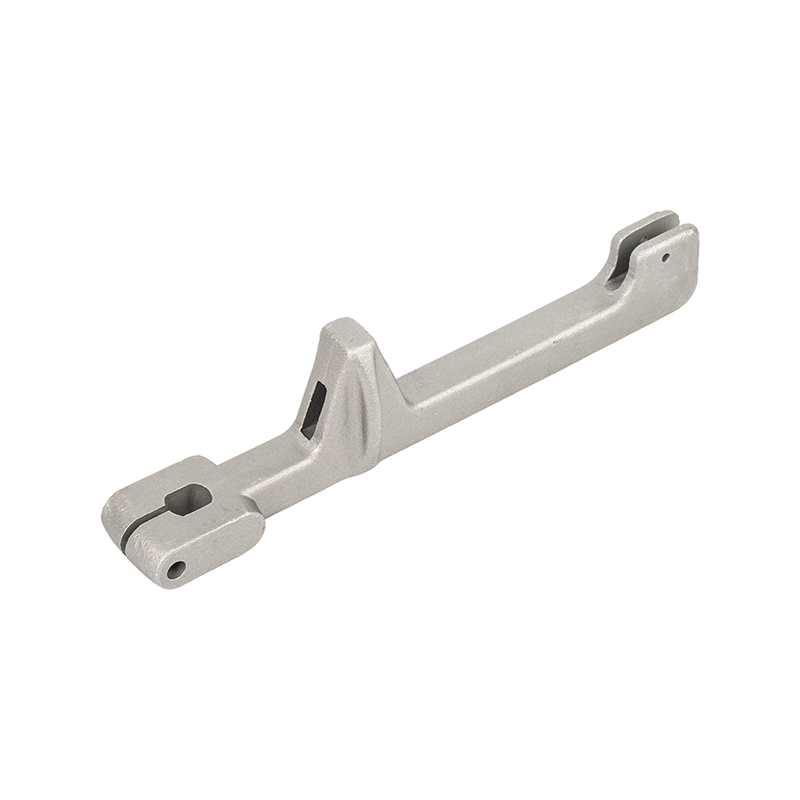
Unlike gravity casting, high-pressure casting fills thin sections and detailed mold features within a very short time. The method is suitable for housings, covers, brackets, heat-dissipation parts, motor components and mechanical structures that require repeatable dimensions.
Material Definition
“What is die cast aluminum” describes an aluminum alloy component formed in a reusable metal die. The term die cast aluminum refers to the finished material or product, while aluminum die casting usually refers to the manufacturing process.
Die-cast aluminum is not normally pure aluminum. Silicon, magnesium, copper, manganese and other controlled elements may be added to improve fluidity, strength, corrosion resistance, machinability or thermal performance.
01
Consistent casting quality depends on the interaction between material preparation, mold design, injection control, cooling balance and inspection.
Aluminum alloy is melted and held within a controlled temperature range. Slag removal, degassing and composition verification help reduce inclusions, porosity and unstable mechanical performance.
The aluminum casting die is cleaned, lubricated and thermally balanced. Core pins, sliders, ejector systems and cooling channels are checked before the production cycle begins.
A measured amount of molten alloy enters the shot sleeve. The plunger drives the metal through the runner and gate system so that the cavity fills before premature solidification occurs.
Intensification pressure is maintained while the alloy solidifies. Balanced cooling helps control shrinkage, distortion, surface sinks and dimensional variation.
The mold opens after sufficient cooling. Ejector pins release the casting, and runners, gates, flash and overflow material are removed.
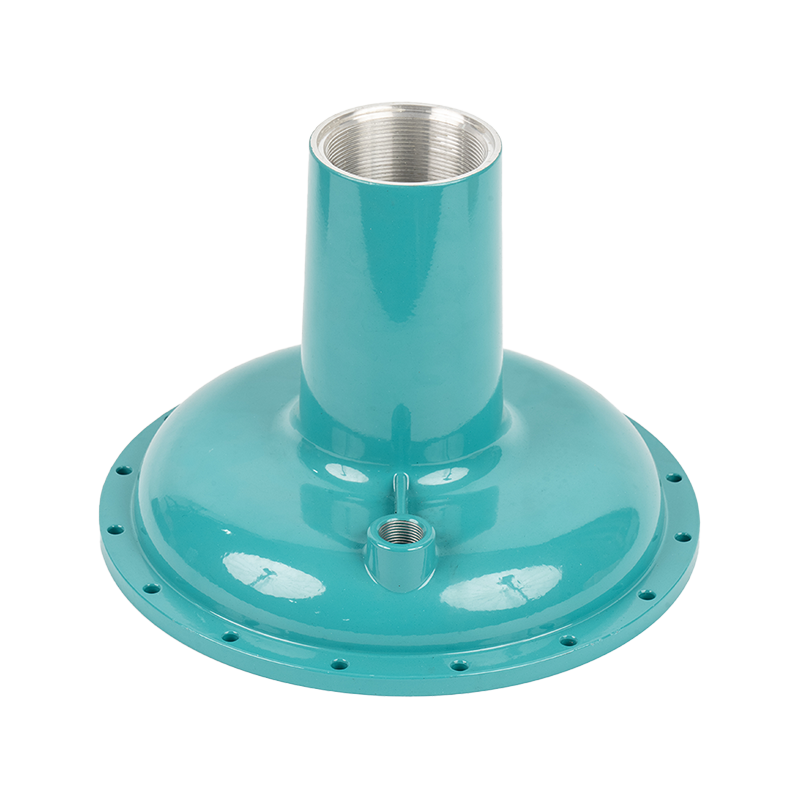
Depending on the drawing, the component may receive CNC machining, shot blasting, powder coating, painting, leak testing or dimensional inspection.
Yes. The answer to “Can aluminum be die casted” is clear: aluminum alloys are widely used in cold-chamber high-pressure die casting. Their relatively low density, useful strength, good thermal conductivity and strong corrosion resistance make them suitable for industrial and consumer-product components.
Molten aluminum is normally poured from a separate holding furnace into the shot sleeve. This cold-chamber arrangement protects the injection system from continuous exposure to high-temperature aluminum alloy. It also supports the production of medium-sized and large structural parts.
02
The advantages of the process are most valuable when component geometry is designed specifically for pressure casting.
A
Die cast aluminum provides a useful strength-to-weight ratio. It can replace heavier fabricated structures in enclosures, brackets and equipment housings without creating excessive component mass.
B
Ribs, bosses, mounting points, channels, heat-sink fins and protective walls can be integrated into one casting. This reduces separate parts, welds and assembly operations.
C
A stable aluminum casting die supports consistent cavity geometry. Controlled casting parameters help maintain repeatable dimensions across continuous production cycles.
D
High injection speed allows the alloy to fill relatively thin sections before solidification. Thin walls can reduce material consumption and overall component weight.
E
Aluminum alloy transfers heat effectively. Die-cast aluminum is commonly selected for motor housings, lighting bodies, electronic enclosures and power-control components.
F
Castings can be shot blasted, polished, powder coated, painted or chemically treated according to appearance, corrosion resistance and environmental requirements.
03
The answer to “What is the recommended wall thickness for aluminum die casting” depends on casting size, alloy fluidity, flow distance, gate location, load requirements and equipment capability.
| Part or Feature Type | Reference Wall Thickness | Main Engineering Consideration |
|---|---|---|
| Small precision enclosure | 0.8–1.5 mm | Metal flow distance, venting and local filling pressure |
| General aluminum die casting | 1.5–3.0 mm | Balanced strength, filling stability and cooling time |
| Electronic or motor housing | 2.0–3.5 mm | Mounting stiffness, heat transfer and machining allowance |
| Load-bearing component | 2.5–5.0 mm | Mechanical load, fatigue, internal porosity and safety factor |
| Specialized thin-wall component | 0.5–1.0 mm | Advanced die design, short flow path and stable process control |
| Rib structure | Approximately 40%–60% of main wall | Avoiding local hot spots, sink marks and heavy intersections |
A uniform wall allows the molten alloy to fill and cool at a predictable rate. Sudden changes from thin to thick sections can create hot spots, shrinkage, internal voids and visible surface depressions.
Increasing the entire wall thickness is not always the best method for improving rigidity. Well-positioned ribs, curved transitions and supported bosses can provide stiffness while keeping the component lighter.
Avoid abrupt steps between different wall sections.
Rounded corners improve metal flow and reduce stress concentration.
Several thick ribs meeting at one point may create a local hot zone.
A cored boss can reduce material accumulation and shrinkage risk.
04
Mold engineering determines how the metal enters, fills, cools and leaves the cavity.
An aluminum casting die is normally made from heat-resistant tool steel rather than aluminum. It must withstand repeated thermal cycling, molten-metal erosion, high clamping force and continuous mechanical movement.
The mold may include fixed and moving halves, cavity inserts, core pins, sliders, ejector pins, cooling lines, runners, gates, overflows and vents. Each area affects final casting quality.
Controls filling direction, metal velocity and local turbulence.
Allows displaced air and contaminated metal fronts to leave the main cavity.
Balances solidification and helps reduce distortion and cycle variation.
Supports stable part removal without cracking, bending or visible damage.
05
Product safety must be evaluated according to material composition, intended use, surface condition and operating environment.
For machinery, automotive parts, electrical housings and equipment components, the answer to “is die cast aluminum safe” depends on engineering validation. Alloy composition, casting defects, mechanical load, temperature, corrosion exposure and fatigue performance must match the application.
Pressure housings may require leak testing and internal-defect inspection. Structural parts may require tensile, hardness, fatigue or impact verification. Electrical enclosures may also require grounding, insulation and thermal-performance checks.
The question “is die cast aluminum toxic” should not be answered only by the name of the material. A finished, compliant die-cast aluminum component is different from airborne aluminum dust, melting fumes or contaminated recycled alloy.
During grinding, polishing or machining, suitable ventilation and dust control should be used. For products in contact with food, the alloy composition, coating and restricted-substance limits require additional verification.
FOOD-CONTACT APPLICATION
The answer to “is die cast aluminum cookware safe” depends on whether the cookware uses controlled raw materials, a suitable food-contact alloy, compliant surface coatings and a qualified manufacturing process.
06
Defect identification is more useful when linked to metal flow, trapped gas, solidification and mold condition.
07
The process supports products that need integrated geometry, heat transfer, corrosion resistance and repeatable production.
Control boxes, communication housings, inverter covers and power-device enclosures can combine protection, mounting and heat-dissipation features.
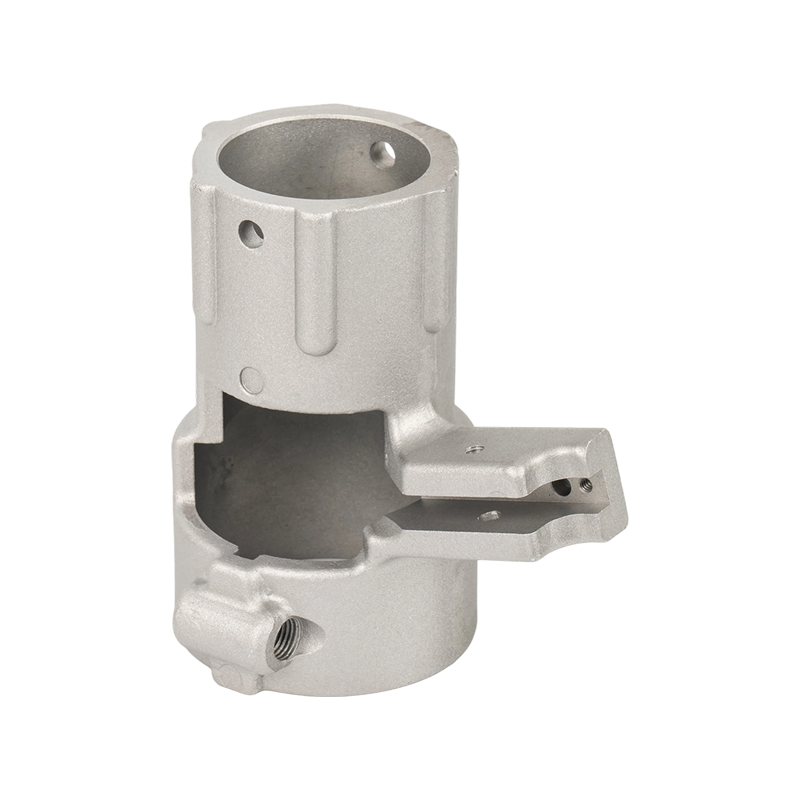
Integrated bearing seats, cooling fins, fastening points and cable-entry structures reduce separate manufacturing operations.
Lamp bodies and heat sinks benefit from aluminum thermal conductivity, corrosion resistance and flexible surface finishing.
Brackets, covers, transmission housings, structural supports and electronic-control housings use lightweight die-cast aluminum designs.
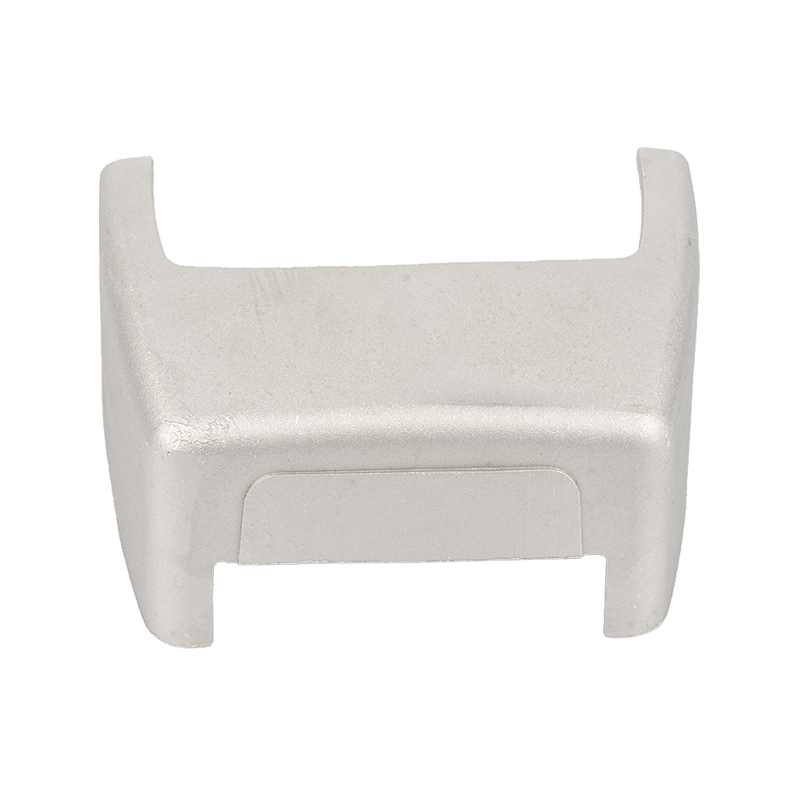
Protective covers, valve bodies, instrument housings and machine brackets can be produced with consistent mounting geometry.
Thick-base cookware structures can distribute heat effectively when suitable food-contact alloys and coatings are used.
08
Manufacturing capability should be reviewed through engineering support, process control, inspection resources and project documentation.
A capable aluminum die casting manufacturer should review parting lines, draft angles, wall transitions, rib thickness, boss design, machining allowance, ejector locations and visible surfaces before the mold is built.
Mold-flow simulation can help predict filling paths, trapped-air areas, pressure loss, hot spots and potential weld lines. Early design adjustment is normally more efficient than modifying a completed production mold.
| Capability Area | Information to Confirm |
|---|---|
| Die Casting Equipment | Machine tonnage, shot capacity and available vacuum system |
| Material Control | Alloy grades, spectral testing and batch traceability |
| Tooling | Die design, manufacturing, maintenance and spare inserts |
| Machining | CNC capacity, datum control and machining inspection |
| Surface Treatment | Shot blasting, powder coating, painting and conversion coating |
| Quality Inspection | CMM, X-ray, leak test, hardness and mechanical testing |
| Documentation | Material reports, dimensional reports and process records |
09
Complete technical information allows the casting process, tooling structure and secondary operations to be evaluated together.
Provide the complete geometry, tolerances, datum system, threads, machining areas and inspection requirements.
Specify the preferred aluminum alloy or the required strength, corrosion resistance and thermal performance.
Include operating temperature, mechanical load, sealing requirement, chemical exposure and service environment.
Identify visible surfaces, color, texture, coating thickness, corrosion level and areas that must remain uncoated.
Define critical dimensions, porosity limits, leak rate, mechanical tests and required inspection reports.
Estimated quantity affects cavity selection, tooling construction, automation level and production planning.
FREQUENTLY ASKED QUESTIONS
Die cast aluminum is formed by injecting molten alloy into a metal mold. Machined aluminum is cut from plate, billet or extrusion. Die casting is effective for complex integrated geometry, while machining provides high precision for low-volume or solid-stock components.
Yes. Bearing seats, sealing surfaces, threaded holes, precision bores and mounting datums are often machined after casting. Machining allowance should be defined before the aluminum casting die is designed.
It can produce sealed housings when wall design, porosity control, machining, sealing surfaces, gaskets and leak-testing requirements are properly coordinated. Casting alone does not automatically guarantee waterproof performance.
Welding is possible for some alloys and casting conditions, but gas porosity may affect weld quality. Welding requirements should be identified early so the alloy and casting process can be evaluated.
Draft angles reduce friction between the solidified casting and the die surface. They improve ejection stability and reduce drag marks, sticking and component distortion.
Thick areas cool more slowly than surrounding walls. They can form shrinkage porosity, surface sinks and dimensional instability. Cored structures and ribs are often more effective than solid mass.
CASTING DESIGN REVIEW
Share the drawing, alloy requirement, application conditions, annual quantity, surface finish and inspection standard. A structured review can identify wall-thickness risks, difficult flow areas, machining requirements and possible tooling improvements before production.
QR Code

Copyright © NINGBO CHIP MACHINERY CO., LTD. All Rights
Reserved
 Custom Aluminum Alloy Die Casting Manufacturers