English
  中文简体
中文简体 
Content
- 1 Which Aluminum Casting Process is Best for Your Structural Component Needs?
- 2 Core Characteristics of aluminum die casting parts
- 3 Advantages of sand casting for aluminum parts
- 4 Technical Specifications and Material Standards
- 5 How to cast aluminum parts
- 6 How to clean cast aluminum parts
- 7 Frequently Asked Technical Questions
Which Aluminum Casting Process is Best for Your Structural Component Needs?
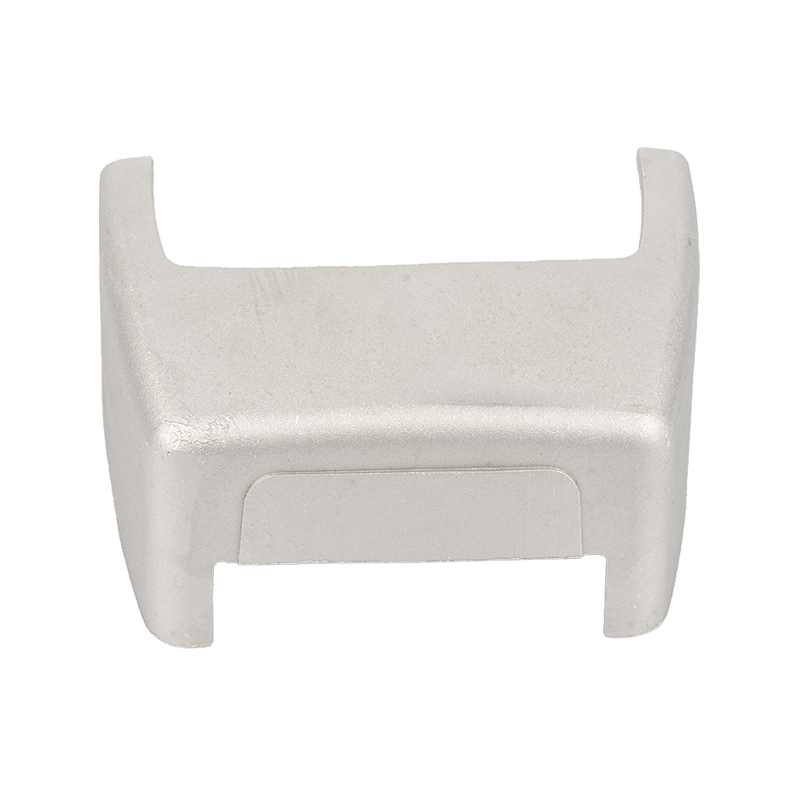
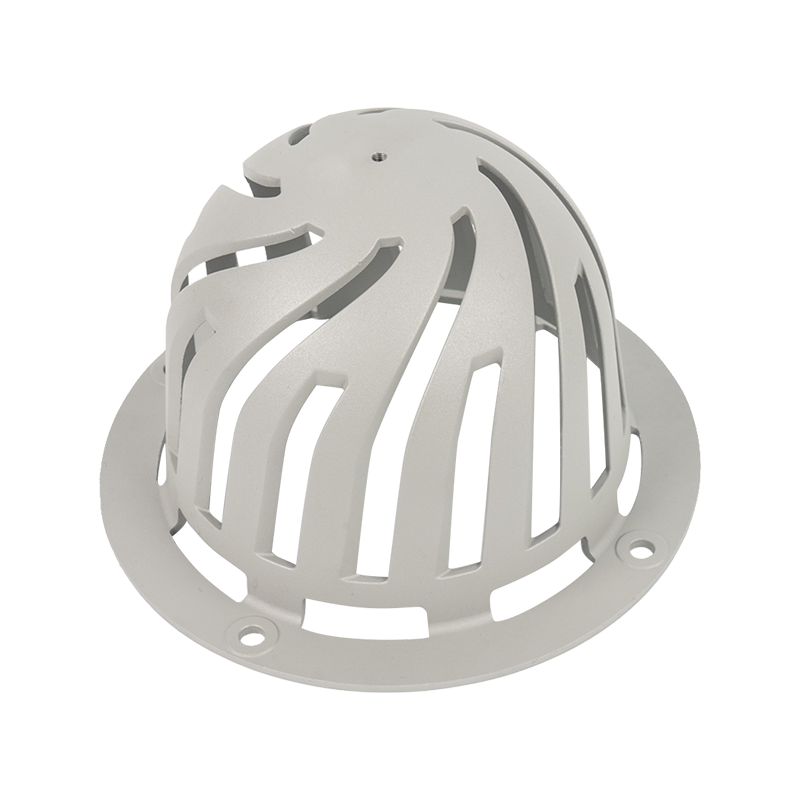
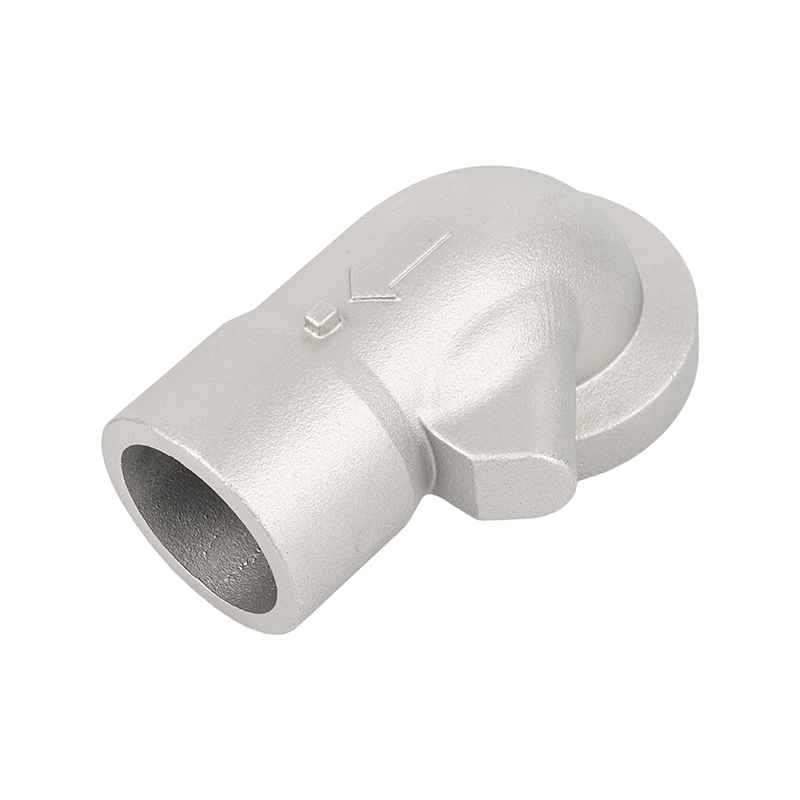
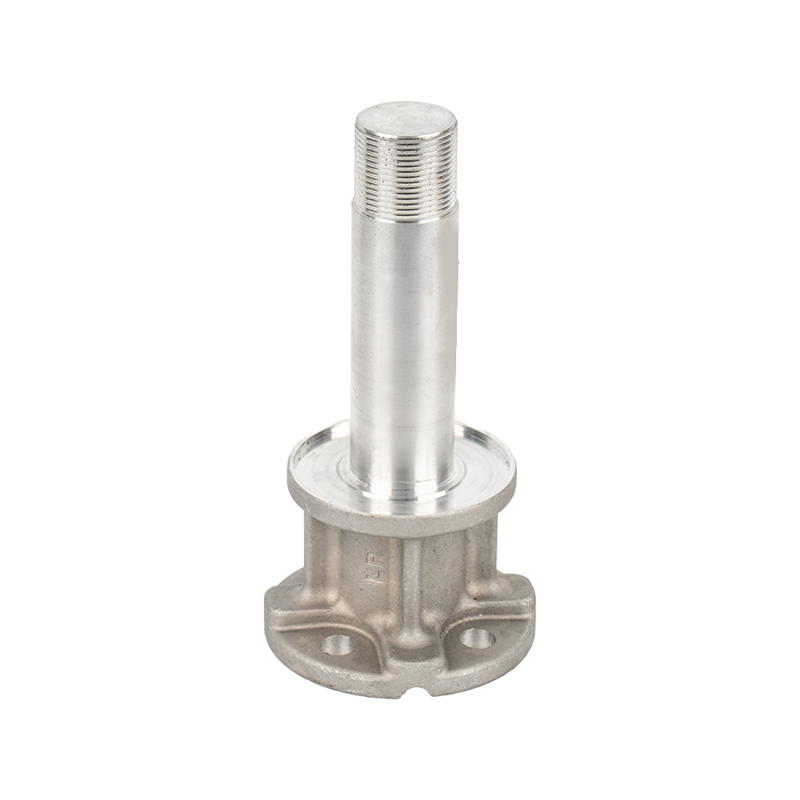
In the industrial manufacturing sector, aluminum die casting parts and aluminum sand casting common parts applications are two of the most common metal forming processes. Depending on production scale, precision requirements, and geometric complexity, engineers must make optimal choices among various casting technologies.
Core Characteristics of aluminum die casting parts
Aluminum die casting parts are produced by injecting molten aluminum alloy into precision molds under high pressure, achieving high dimensional accuracy and superior surface quality. Key technical advantages include:
Thin-wall structural molding: Capable of producing lightweight parts with complex structures and uniform wall thickness.
Production efficiency: The die casting process is suitable for large-scale automated production, with unit costs decreasing significantly as volume increases.
Mechanical properties: High-pressure filling results in a denser material structure, which helps improve the pressure resistance and structural strength of the parts.
Advantages of sand casting for aluminum parts
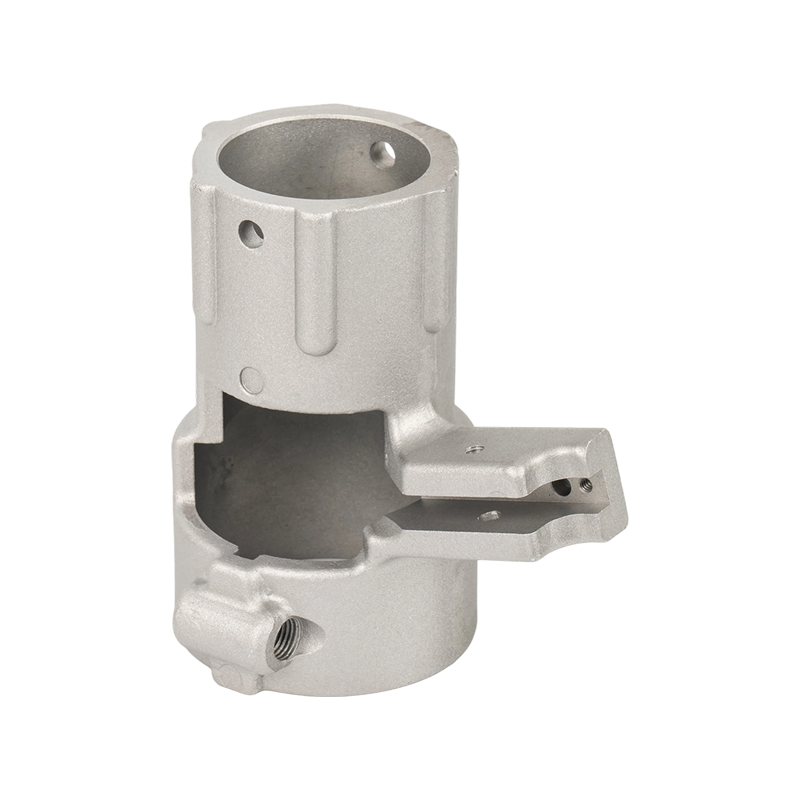
Compared to die casting, sand casting holds irreplaceable value in specific domains. Advantages of sand casting for aluminum parts are mainly reflected in the following areas:
Low mold costs: The manufacturing cost of sand molds is significantly lower than that of high-strength metal molds, making it ideal for small-to-medium batch production or prototype development.
Geometric flexibility: Sand molds can create extremely large parts or components with complex internal cavities that are difficult to manage with die casting.
Material adaptability: Sand casting has fewer restrictions on alloy composition and can process various aluminum alloy formulas.
| Comparison Dimension | Aluminum die casting parts | Aluminum sand casting common parts applications |
| Dimensional Accuracy | Very High | Medium |
| Surface Roughness | Low (Smooth) | High (Requires processing) |
| Mold Cost | High | Low |
| Production Speed | Very Short | Longer |
Technical Specifications and Material Standards
As a manufacturer, we prioritize the metallurgical integrity of our aluminum die casting parts. Selecting the correct alloy grade is critical for structural longevity. Our production line standardizes on A380 for complex geometries requiring high thermal conductivity, and A356 for components necessitating superior weldability and corrosion resistance.
Alloy Performance Comparison
| Property | Die Cast (A380) | Sand Cast (A356) |
| Tensile Strength | 325 MPa | 230 MPa |
| Yield Strength | 160 MPa | 170 MPa |
| Thermal Conductivity | 96 W/m-K | 151 W/m-K |
How to cast aluminum parts
In practical production environments, the core of how to cast aluminum parts lies in temperature control and porosity management. Melting and degassing are essential to remove hydrogen, while optimized cavity design ensures smooth metal filling. Our facility mitigates gas porosity by utilizing vacuum-assisted die casting, ensuring higher density parts for critical applications.
How to clean cast aluminum parts
Proper maintenance is key to extending part longevity. For how to clean cast aluminum car parts, use a mild alkaline degreaser followed by a non-abrasive brush. Regarding how to clean cast aluminum engine parts, we recommend ultrasonic cavitation baths to strip carbon deposits without damaging the substrate. Always blow dry immediately to prevent white rust formation.
Frequently Asked Technical Questions
Q: What dictates the choice between die casting and sand casting?
A: Production volume and geometric complexity are the deciding factors. Die casting is optimized for high-volume, thin-walled precision parts, whereas sand casting is preferred for massive structural components or small-run custom prototyping.
Q: How do you verify the quality of the finished casting?
A: Every batch undergoes X-ray inspection for internal structural integrity, followed by dimensional verification using CMM to ensure tolerance compliance.
Q: Can sand-cast parts achieve the same finish as die-cast parts?
A: No, sand-cast surfaces naturally have a higher roughness average, but secondary machining can bring these dimensions to high-precision standards.