


 English
  中文简体
中文简体 0
Founded in
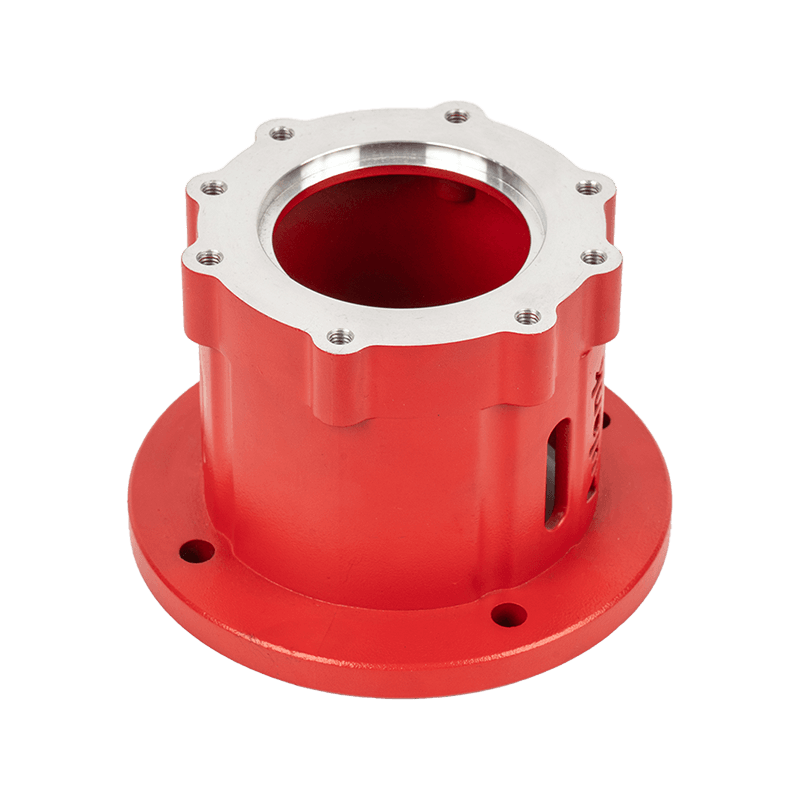
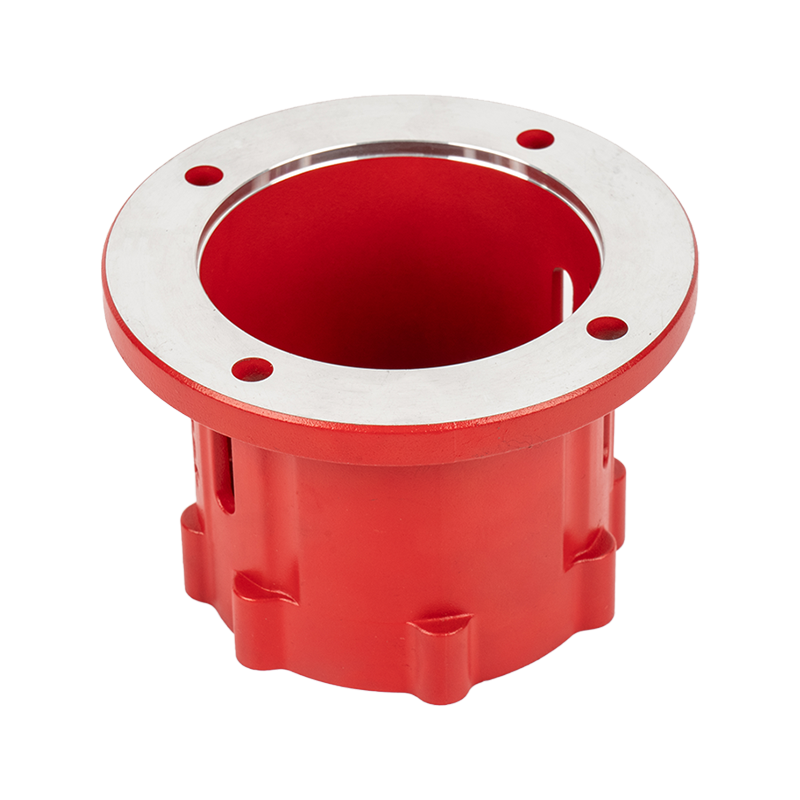
We are specialized in gas regulators, Motor Housing, Auto parts, Equipment parts, and Air pumps.

Founded in

Floor area

Professional Staff

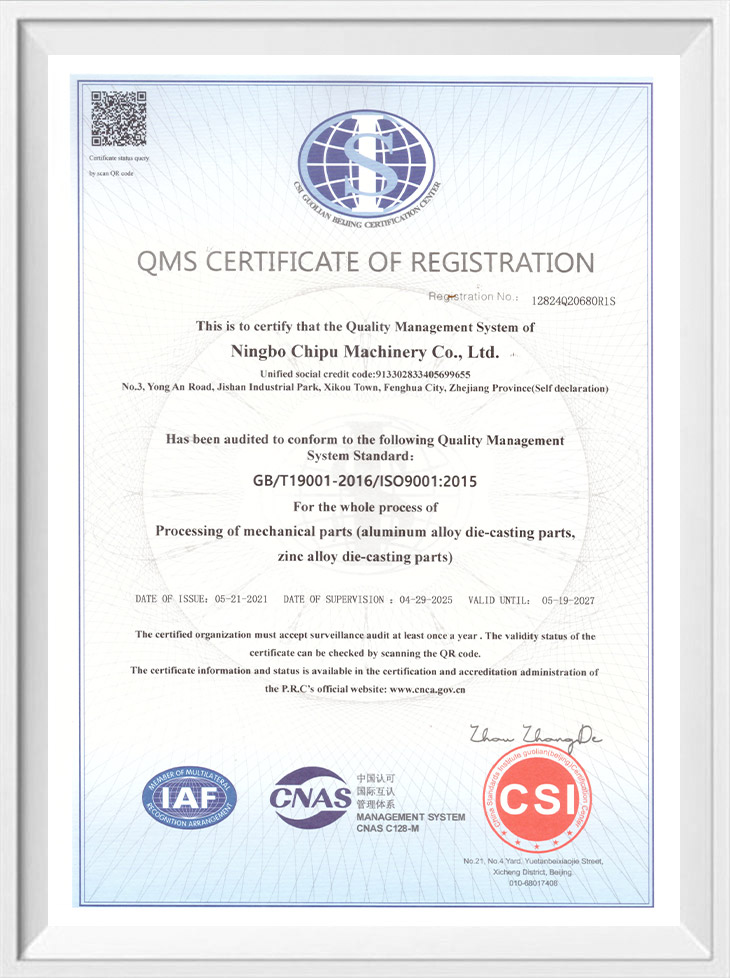
ISO 9001:2015 System Certification
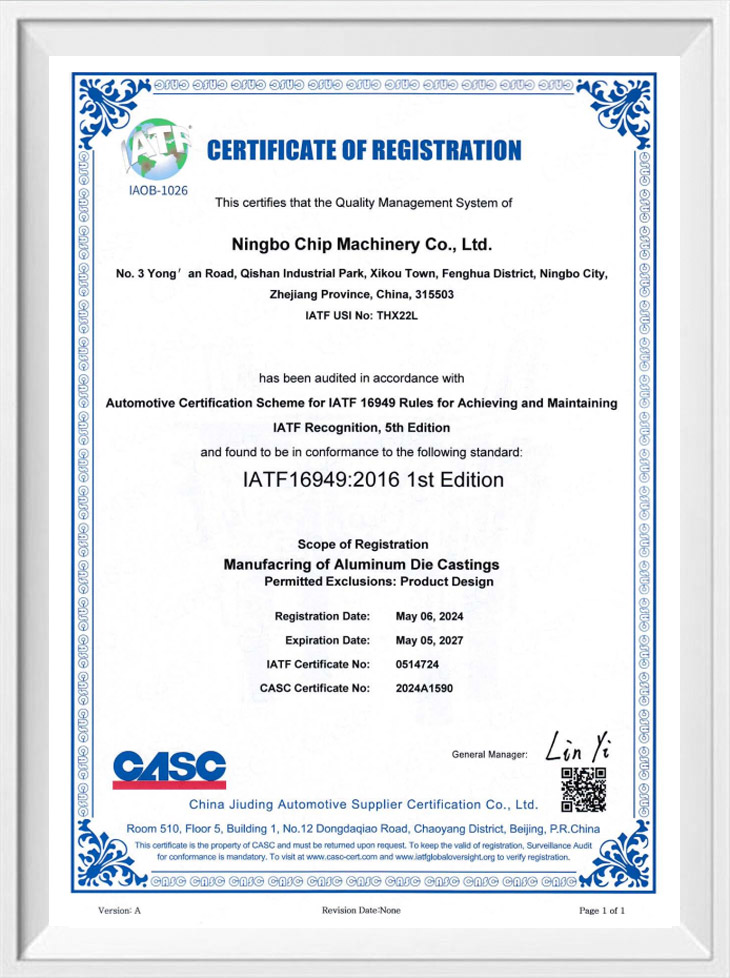
IATF16949:2016 System Certification
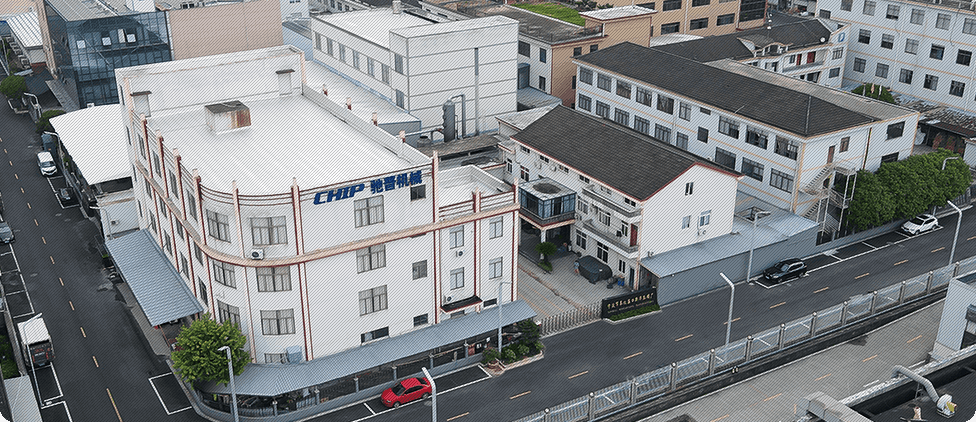

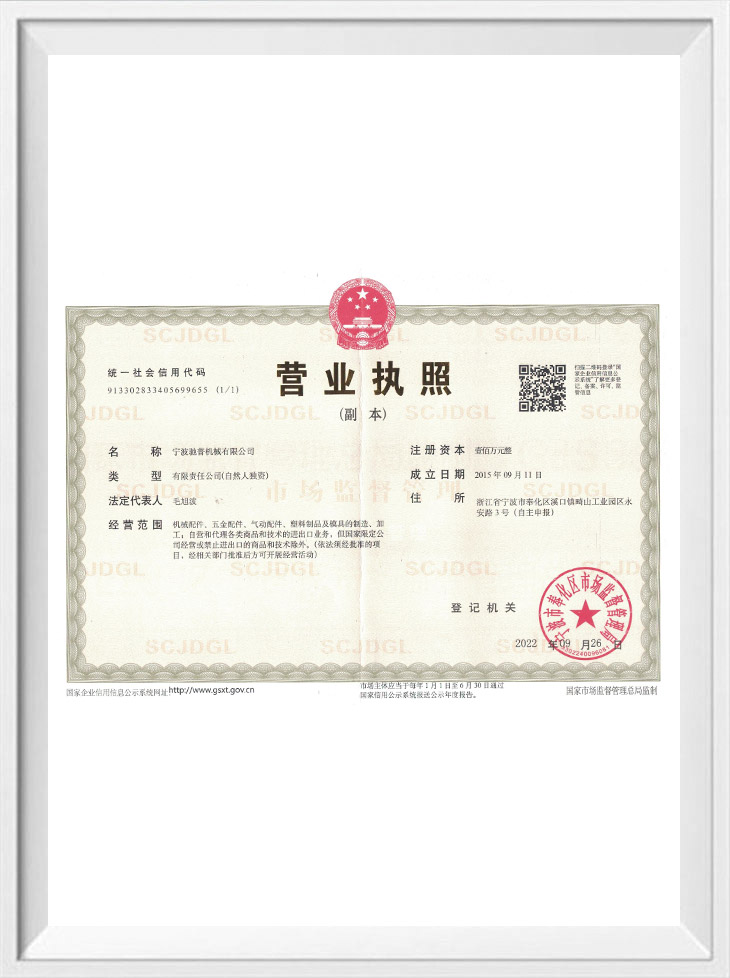
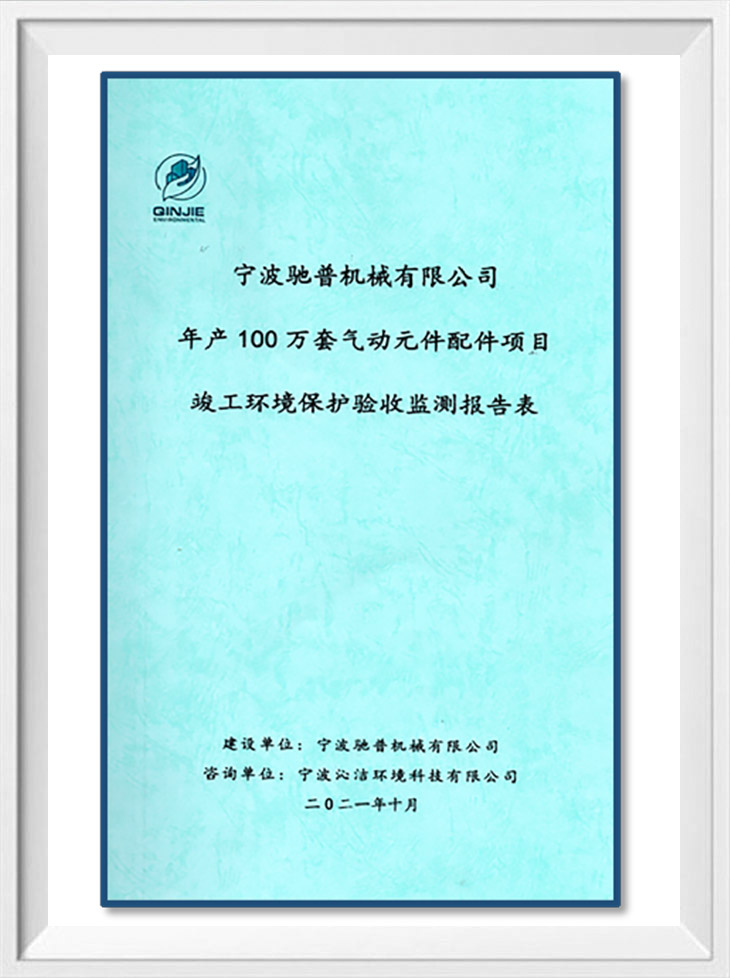
The Motor Housing serves as the external skeleton of a motor. It is responsible not only for supporting and fixing the internal stator, rotor, and bearing systems but also acts as a critical barrier to ensure the stable operation of the motor in complex working environments. In industrial motors, power tools, and even new energy vehicle powertrains, the structural design of the Motor Housing directly determines the motor's output efficiency and service life.
The primary task of the Motor Housing is to provide sufficient mechanical rigidity to resist torque reaction forces and external mechanical impacts during operation. To ensure the reliability of the motor in high-vibration environments, as emphasized in the production practices of NINGBO CHIP MACHINERY CO., LTD., the wall thickness design and geometric structure of the housing must be precisely calculated to eliminate stress concentration points. In addition, the housing plays a key sealing role, preventing dust, moisture, and oil from entering the motor interior, which is crucial for improving the protection level of equipment in harsh industrial environments.
Thermal management is the bottleneck that determines the continuous output power of a motor. As one of the main functions of the Motor Housing, it directly bears the task of conducting internal motor heat to the external environment or cooling medium. Whether using natural cooling or water cooling solutions, the thermal conductivity and heat dissipation fin structure of the housing determine the magnitude of thermal resistance.
To more clearly compare the impact of different cooling and structural schemes on the design of the Motor Housing, the following table lists the focus points of common designs:
| Performance Dimension | Heat Dissipation Design | High Rigidity Design |
| Main Features | Increased external fin surface area | Increased wall thickness, rib arrangement |
| Thermal Conductivity Requirement | Extremely high (Aluminum alloy preferred) | Medium-high (Focus on structural strength) |
| Application Environment | Continuous high-power motors | High-vibration, heavy-load industrial equipment |
| Processing Difficulty | High (Complex mold structure) | Medium (Requires precise positioning) |
Electromagnetic excitation force is the main source of motor noise. The Motor Housing, through its own modal characteristics, can effectively suppress vibrations at these frequencies. In product development, excellent castings use optimized internal structures to change the system's resonant frequency, thereby reducing the vibration amplitude (NVH performance) of the motor during operation.
Addressing the differentiated needs of different customers for motor performance, NINGBO CHIP MACHINERY CO., LTD., leveraging its extensive experience since its founding in 2015 and through ISO 9001:2015 and IATF 16949:2016 quality system certifications, can not only achieve integrated design of the Motor Housing but also precisely control these key physical properties during the casting and machining stages. For companies dedicated to improving product integration, seeking a partner like NINGBO CHIP MACHINERY CO., LTD.—which possesses one-stop service capabilities from Mold making and Motor Housing Casting to precision Machining—is the core path to ensuring performance consistency and production efficiency.
The performance of the Motor Housing is essentially determined by material properties. In modern motor design, how to ensure excellent thermal conductivity, corrosion resistance, and processing stability while maintaining lightweight is the primary task for material engineers. For NINGBO CHIP MACHINERY CO., LTD., through its strict process standards under the IATF 16949:2016 system, the screening of alloy raw materials has become the cornerstone for ensuring final product quality.
Currently, the most common material for Motor Housing Casting is the aluminum-silicon (Al-Si) alloy series. Due to their excellent casting fluidity, these alloys can easily fill complex mold cavities, making them particularly suitable for complex housing structures with cooling fins.
Fluidity and Feeding Capacity: The addition of silicon significantly improves the filling capacity of the molten aluminum, reducing the risk of "cold shuts" in thin-walled areas.
Corrosion Resistance: The aluminum alloy surface easily forms a dense oxide film, providing natural anti-oxidation capability for the Motor Housing when operating in humid or outdoor environments.
To intuitively demonstrate the impact of material properties on Motor Housing Casting, we can refer to the typical performance of different aluminum-silicon alloy series in the motor field (data based on general industry standards):
| Material Properties | ADC12 (Al-Si-Cu) | A380 (Al-Si-Mg) | ADC10 (High-Si Al) |
| Casting Performance | Excellent | Good | Good |
| Thermal Conductivity (W/m·K) | Approx. 92-96 | Approx. 96 | Approx. 105 |
| Tensile Strength (MPa) | 220-250 | 280-300 | 200-230 |
| Main Application Focus | Mass die-casting | Structural/Load-bearing | High heat dissipation |
With the rapid development of electric vehicles and precision robotics, the Motor Housing is evolving toward being thinner and more compact. This not only requires the casting material itself to have high specific strength but also places extremely high requirements on purity during the casting process.
NINGBO CHIP MACHINERY CO., LTD. has a 5,000-square-meter production base. Relying on its rich production experience, it can customize alloy ratios according to specific performance requirements for Motor Housing Casting from different customers. For instance, when dealing with the Auto parts business sector, which has extremely high lightweight requirements, the company tends to choose modified aluminum alloys with higher toughness and, through strict environmental assessment qualifications, ensures that every link from raw material entry to blank forming meets high standard environmental and performance requirements.
The processing accuracy of Motor Housing Casting in later stages is highly dependent on the material's thermal expansion coefficient. If the material's dimensions fluctuate significantly with operating temperature changes, it will lead to loose bearing fits, subsequently causing motor vibration. Therefore, during the mold design stage, the technical team must precisely compensate for the material's shrinkage rate during the cooling process. NINGBO CHIP MACHINERY CO., LTD. utilizes its professional accumulation in the field of Mold make to precisely embed heat shrinkage compensation coefficients into the mold cavity dimensions, thereby ensuring that the final Motor Housing maintains extremely high coaxiality and geometric tolerance under long-term high-load operation.
When manufacturing high-precision Motor Housing components, choosing the right casting process and executing strict process control are equally important. The quality of Motor Housing Casting directly determines the operating life and noise performance of the motor. For a supplier like NINGBO CHIP MACHINERY CO., LTD. that holds IATF 16949:2016 system certification, flexibly utilizing die casting, gravity casting, or low-pressure casting processes for different application scenarios is a core capability to meet global customer demands.
High-Pressure Die Casting (HPDC) is currently the most mainstream process for mass-producing the Motor Housing. Its core lies in filling the mold cavity with molten metal at high speed and high pressure.
Efficiency and Consistency: This process is suitable for producing housings with complex geometric structures and thin wall thicknesses.
Mold Pressure: Pressures reaching tens or even hundreds of megapascals ensure a smooth casting surface, effectively reducing the burden on subsequent surface treatments.
To evaluate the impact of different processes on Motor Housing Casting, we can refer to the process comparison table below:
| Process Type | Production Efficiency | Dimensional Accuracy | Applicable Wall Thickness | Cost Control |
| High-Pressure Die Casting (HPDC) | Extremely High | High | Thin | Suitable for mass production |
| Gravity Casting | Low | Medium | Thick/Uneven | Suitable for extremely complex parts |
| Low-Pressure Casting | Medium | High | Medium | Suitable for high air-tightness requirements |
During the Motor Housing Casting process, Mold make is of utmost importance. Casting engineers must optimize flow channels and exhaust systems to resolve potential defects such as porosity and cold shuts. NINGBO CHIP MACHINERY CO., LTD. fully utilizes its years of accumulation in mold design to optimize the flow path of molten metal via simulation software, ensuring the compactness of the internal casting structure. If the mold exhaust is poor, gas entrapment can lead to pinholes within the casting; this is often fatal during subsequent high-pressure air-tightness tests for the motor. Therefore, precise overflow tank settings and vent designs are key to ensuring the product pass rate.
After the Motor Housing is cast, it often requires heat treatment (such as T5 or T6) to optimize its mechanical properties. The essence of heat treatment is to control the rearrangement of the alloy's crystal structure:
T5 Treatment: Artificial aging directly after casting, mainly to eliminate internal stress and ensure that the housing does not experience micro-deformation during long-term operation.
T6 Treatment: Solution treatment plus artificial aging, which can significantly improve the yield strength and hardness of the housing, suitable for high-performance servo Motor Housing components.
NINGBO CHIP MACHINERY CO., LTD. leverages its production base in NINGBO to precisely control heat treatment parameters according to product usage. For example, for products in the Equipments parts or Auto parts sectors, the company adjusts aging temperatures and holding times according to customer requirements. This attention to detail is the core reason why the company's products can be stably exported to strict quality markets in the United States, the UK, Germany, and Japan over the long term.
After Motor Housing Casting is completed, the resulting blank still has a gap from final assembly requirements. To meet the radial runout requirements for the motor's high-speed internal rotor and the coaxiality standards for the bearing seat, precision machining is an indispensable link in the production chain of the Motor Housing. NINGBO CHIP MACHINERY CO., LTD., within its 5,000-square-meter factory, integrates casting with subsequent integrated precision Machining via configured advanced CNC equipment, ensuring efficient transfer from blank to finished product.
The core of Motor Housing machining lies in the establishment of benchmarks. Since Motor Housing structures usually have external cooling fins or flanges, they are highly prone to deformation during clamping, thus requiring strict sequencing of machining processes.
Bearing Bore Coaxiality: The bearing seat holes at both ends of the motor must maintain extremely high coaxiality, typically required to be controlled within 0.02mm to prevent stator-rotor scraping.
Geometric Tolerance Control: During the machining process, the verticality between the mounting datum and the central axis must be strictly controlled to ensure the dynamic balance of the motor after installation.
The following table lists the key control indicators common in the processing of the Motor Housing and their impact on motor performance:
| Machining Part | Key Parameter Index (Typical Reference) | Impact on Motor Performance |
| Bearing Bore | Diameter Tolerance ±0.01mm | Affects operational stability and life |
| End Cap Mating Surface | Flatness < 0.03mm | Affects sealing and assembly precision |
| Stator Seat Inner Cavity | Cylindricity < 0.02mm | Affects magnetic gap uniformity and efficiency |
| Threaded Mounting Hole | Positional Accuracy < 0.05mm | Affects overall structural anti-vibration performance |
In addition to geometric precision, the Surface Treatment of the Motor Housing is also key to enhancing product added value. After precision machining, the surface roughness of the housing often does not meet specific environmental requirements.
The one-stop service provided by NINGBO CHIP MACHINERY CO., LTD. covers not only molds and casting but also deeply involves the surface treatment process. Through processes like anodizing and powder coating, the company can significantly enhance the corrosion resistance and insulation properties of the Motor Housing. For instance, for Equipments parts exported to high-standard markets such as Germany or Japan, the company selects specific coating thicknesses based on specific environmental requirements, which not only enhances product aesthetics but also provides a reliable protective layer in electrochemically corrosive environments.
The advantage of this full-process management is that NINGBO CHIP MACHINERY CO., LTD. can reduce the risk of collision caused by multiple transfers through early process layout, ensuring that every Motor Housing reaches the strict standards of the IATF 16949:2016 system upon leaving the factory. This full-chain closed loop from Mold make to Machining is the reason the company's products have established a foothold in multiple global core industrial markets, truly achieving source control of product quality.
For the Motor Housing, strict quality control is not only the basis for delivery but also a ticket to enter high-end industrial markets. Since motors endure high-frequency vibration and temperature fluctuations during operation, any subtle defect within the casting could evolve into a fatal failure during long-term service. NINGBO CHIP MACHINERY CO., LTD., as a manufacturer certified by ISO 9001:2015 and IATF 16949:2016 systems, has established a closed-loop inspection mechanism from source to finished product.
After Motor Housing Casting is completed, visible defects are only surface issues; real hazards are often hidden in thick walls and structural transitions. Using X-ray non-destructive testing technology, technicians can see through the interior of the housing to monitor for defects such as shrinkage, porosity, or slag inclusions.
In the quality control process of NINGBO CHIP MACHINERY CO., LTD., X-ray inspection is a mandatory step for critical structural components. This ensures that the casting has a dense internal metal flow while meeting structural strength, thereby effectively improving thermal conductivity and ensuring motor reliability at high speeds.
For Motor Housing components using water-cooling systems, air-tightness is a hard indicator that must be passed. If the casting leaks, cooling liquid entering the motor interior will lead to insulation breakdown or bearing rust.
| Inspection Dimension | Purpose of Test | Common Standard Reference |
| Pressure Decay Method | Detect subtle through-defects | Test pressure: 0.2-0.5 MPa (depending on working conditions) |
| X-ray Flaw Detection | Detect internal shrinkage and pinholes | Complies with ASTM standard levels |
| Coordinate Measuring Machine (CMM) | Verify geometric tolerances and coaxiality | Precision requirement: ±0.01mm - ±0.02mm |
| Metallographic Analysis | Observe grain structure and modification treatment | Observe eutectic silicon morphology and distribution |
The mechanical properties of the Motor Housing depend on its microscopic metallographic structure. Through metallographic microscope observation, it can be determined whether the modification treatment during the casting process is in place. If grains are coarse, it will cause cracks when the housing is subjected to impact; while fine and uniform grains can give the Motor Housing excellent anti-vibration properties.
To maintain its high-quality export performance in European, American, and Asian markets, NINGBO CHIP MACHINERY CO., LTD. conducts regular destructive testing and metallographic sampling of production batches. This scientific quality assurance system allows NINGBO CHIP MACHINERY CO., LTD. to provide full-cycle traceability files for every product. Whether for a gas regulator, a Motor Housing, or other precision equipment parts, this rigorous attitude is the core trust foundation upon which the company can build long-term cooperation with global customers.
The application span of the Motor Housing is enormous, from micro-household pump classes to heavy industrial drives, with design and casting requirements presenting obvious focuses according to the differences in application scenarios. Since its founding in 2015, NINGBO CHIP MACHINERY CO., LTD. has deeply cultivated diverse manufacturing fields, forming unique technical accumulation by combining Motor Housing Casting processes with its production experience in gas regulators, Auto parts, and Air pumps.
In new energy vehicle powertrains, the Motor Housing is not only a load-bearing part but also a complex component integrating water cooling circuits. To pursue increased cruising range, lightweighting is the core appeal. At this time, Motor Housing Casting not only needs to ensure high strength of aluminum alloy but also needs to embed complex cooling channels in thin-walled structures.
Application Difficulty: How to maintain stable mold filling in thin-walled structures while ensuring sealing.
Industry Indicator Comparison:
| Application Field | Weight Optimization Ratio (Reference) | Heat Dissipation Requirement | Mainstream Wall Thickness Standard |
| New Energy Vehicle Motor | High (Seeking weight reduction) | Extremely High (Water cooling cycle) | 2.5 - 3.5 mm |
| Industrial Servo Motor | Medium (Seeking rigidity) | Medium (Natural/Forced air cooling) | 4.0 - 6.0 mm |
| General Small Home Appliances | Low (Seeking cost) | Low (Small cooling area) | 3.0 - 5.0 mm |
In the field of precision industrial robots or servo motors, the Motor Housing must not only withstand vibrations caused by high-frequency starts but also possess extremely high dimensional stability. NINGBO CHIP MACHINERY CO., LTD., when facing such Equipments parts requirements, often adopts a scheme of high-pressure casting combined with high-precision CNC correction. Through the protection of its IATF 16949:2016 quality management system, it ensures that geometric tolerances such as bearing bores and spigots can reach micron-level precision, meeting the strict requirements for synchronous precision in automated equipment.
In addition to traditional motors, the experience of NINGBO CHIP MACHINERY CO., LTD. in the fields of Air pumps and gas regulators also provides cross-border inspiration for Motor Housing design. In these applications, Motor Housing Casting often needs to be integrated with pump body structures, which poses challenges for the complex inner cavity machining of the casting. Because these products are widely exported to markets such as the United States, Germany, and Japan, the company has solved the problem of porosity easily generated within integrated parts by continuously optimizing die-casting mold flow channel design, ensuring the overall stability of fluid systems under operating pressure.
For procurement parties around the world, choosing a partner like NINGBO CHIP MACHINERY CO., LTD.—which not only possesses a 5,000-square-meter standardized production base but also has the full-link delivery capability from mold development to finished product—means that they can obtain products with more consistent performance while reducing communication costs of multi-source procurement. This cross-industry technical integration capability enables the company to rapidly respond to differentiated demands for Motor Housing strength, sealing, and machining precision in different regional markets.
In long-term communication with global customers, NINGBO CHIP MACHINERY CO., LTD. has found that many buyers and engineers have certain misunderstandings about the manufacturing process and selection of the Motor Housing. The following provides a summary of the most concerned technical issues in the industry, aimed at helping users deeply understand the professional logic of Motor Housing Casting.
Technical Popularization: The core advantage of Die Casting lies in efficiency and consistency. Although the mold cost for sand casting is low, the casting surface roughness is high, and wall thickness is difficult to precisely control, usually requiring a large amount of subsequent machining. Die casting, however, can achieve rapid filling under high pressure, not only producing lightweight Motor Housing with a thickness of only 2-3mm but also casting complex structures such as cooling fins and mounting brackets in one go. For companies like NINGBO CHIP MACHINERY CO., LTD., which have a 5,000-square-meter factory and professional Die casting production lines, die casting can achieve high pass rate output under the IATF 16949:2016 system, which is crucial for mass production of the Motor Housing.
Technical Popularization: This is a classic engineering game. Heat dissipation depends on surface area and thermal conductivity, while lightweighting requires reducing material density or wall thickness.
Design Strategy: Increase the density of external "fins" to enlarge the heat dissipation surface area without increasing the overall wall thickness; simultaneously optimize material ratios to ensure the thermal conductivity of the aluminum alloy can meet motor operating conditions.
Performance Balance Comparison:
| Design Improvement Direction | Impact on Weight | Impact on Heat Dissipation | Processing Difficulty |
| Increase Housing Wall Thickness | Significantly increase | Slight improvement | Low |
| Increase Number of Cooling Fins | Slight increase | Significant improvement | Medium (Increased mold complexity) |
| Optimize Flow Channel Layout | No change | Significant improvement (Water cooling structure) | High (Requires precision core molds) |
Technical Popularization: Casting is mainly responsible for forming but cannot achieve precision fits. The Motor Housing needs to install bearings and stators, and the requirements for verticality, coaxiality, and roughness in these parts are often at the micron level. The integrated service advantage of NINGBO CHIP MACHINERY CO., LTD. lies in that, after completing Motor Housing Casting, it immediately uses high-precision CNC equipment for Machining, eliminating micro-deformation caused by casting stress, ensuring assembly precision, and thereby preventing intense vibration when the motor rotates at high speeds.
Technical Popularization: These defects may be difficult to discover visually, but the consequences are serious.
Blocked Heat Dissipation: Porosity acts like an "insulation layer," blocking the path for heat to conduct from the motor interior to the housing surface, leading to local overheating of the motor and accelerated aging of insulation materials.
Reduced Strength: If the Motor Housing is subjected to radial force, defect areas are prone to cracks, subsequently leading to structural failure of the housing.
Sealing Failure: For systems involving gas or cooling liquid circulation (such as gas regulator components produced by the company), these tiny pinholes lead to pressure leakage. NINGBO CHIP MACHINERY CO., LTD. strictly enforces the ISO 9001:2015 management standard, strictly controlling porosity through non-destructive testing (NDT), fundamentally ensuring the reliability of products exported to high-standard markets such as the US, Germany, and Japan.
QR Code

Copyright © NINGBO CHIP MACHINERY CO., LTD. All Rights
Reserved
 Wholesale Aluminum Alloy Motor Housing Die Casting Manufacturers