English
  中文简体
中文简体 
Content
- 1 Which Aluminum Alloy Is Best for Die Casting? The Short Answer
- 2 What Actually Differentiates Aluminum Die Casting Alloys?
- 3 Aluminum Die Casting Alloys Compared Side by Side
- 4 A Visual Look at Tensile Strength
- 5 Match the Alloy to the Part's Job
- 6 What the Datasheet Does Not Tell You
- 7 Industry-Specific Alloy Recommendations
- 8 Questions to Ask Before You Lock In an Alloy
- 9 Frequently Asked Questions
An engineer contacted us last quarter with a housing that kept cracking around a pressed-in insert during thermal cycling. The drawing specified a popular general-purpose alloy, strong on paper but too rigid for a part that alternates between hot and cold service. Switching to a more thermally stable grade eliminated the crack without changing the geometry by a single millimetre.
That story explains why the best aluminum alloy for die casting is never a single material. It is the alloy that fits your part's mechanical load, operating environment, wall thickness, finishing steps and production volume. For most general-purpose components, A380 is the pragmatic first choice. For thin-walled or complex housings, A383 or ADC12 fill the die more reliably. For corrosive or outdoor service, A360 offers better resistance. For pressure-tight bodies such as valve housings, A413 wins. And for structural parts that need heat treatment or welding, A356 deserves a serious look.
This guide compares the five alloys that matter most in commercial die casting, explains the trade-offs behind the numbers, and shows how a custom aluminum die casting manufacturer evaluates the same choices on the shop floor.
Which Aluminum Alloy Is Best for Die Casting? The Short Answer
Use the quick cards below as a starting point, then verify your choice against the detailed comparisons in the rest of this article.
A380 - Best All-Around
The industry workhorse. Strong, easy to cast, and well understood by every die casting supplier. Use for brackets, housings and general structural parts that do not face severe corrosion.
A383 / ADC12 - Best Thin-Wall & Complex Parts
Higher silicon improves fluidity and reduces die soldering. Use when wall thickness drops below 2 mm or when the geometry fills reluctantly.
A360 - Best Corrosion Resistance
Low copper content minimizes galvanic corrosion. Use for outdoor instrument enclosures and components exposed to humidity, salt air or chemicals.
A413 - Best Pressure Tightness
High silicon content gives exceptional leak resistance. Use for hydraulic and pneumatic bodies, including pressure-reducing valve housings.
A356 - Best Structural / Heat-Treatable Option
Lower silicon with magnesium enables T6 heat treatment. Use when ductility and fatigue resistance matter more than castability.
These recommendations reflect typical die casting practice. Section thickness, gate design, heat treatment and coating requirements can all shift the final choice.
What Actually Differentiates Aluminum Die Casting Alloys?
Every die casting alloy starts from the same aluminum base, but intentional additions change how the metal flows, solidifies and performs in service. Four elements do most of the work.
- Silicon (Si) improves fluidity and reduces hot tearing. Higher silicon also reduces die soldering, at the cost of machinability and anodising quality.
- Copper (Cu) raises room-temperature strength and hardness, especially after aging, but lowers corrosion resistance and can cause dimensional growth under long-term heat exposure.
- Magnesium (Mg) enables precipitation hardening and improves strength at elevated temperatures.
- Iron (Fe) is kept at 0.7-1.3% in most die casting alloys to prevent soldering to the die, but too much iron forms hard needle-like phases that reduce ductility.
Reading a datasheet without understanding these interactions is risky. A high-copper alloy may pass your tensile test but fail after years of outdoor exposure. A high-silicon alloy may cast beautifully but produce a dull, hard-to-anodise surface. The best alloy for die casting is therefore the one that balances your priorities, not the one with the most impressive single specification.
Aluminum Die Casting Alloys Compared Side by Side
The table below shows typical compositions and as-cast mechanical properties for the five alloys most commonly specified in US, European and Asian die casting projects. Values are typical; actual test certificates should always be reviewed before final selection.
| Alloy (Common Names) | Si % | Cu % | UTS (MPa) | Yield (MPa) | Elongation % | Best For |
|---|---|---|---|---|---|---|
| A380 (ADC10, AlSi8Cu3) | 7.5-9.5 | 3.0-4.0 | 324 | 160 | 3.5 | General purpose |
| A383 (ADC12, AlSi11Cu3) | 9.5-11.5 | 2.0-3.0 | 310 | 150 | 3.5 | Thin walls, complexity |
| A360 (AlSi10Mg) | 9.0-10.0 | 0.6 max | 317 | 165 | 3.5 | Corrosion resistance |
| A413 (AlSi12) | 11-13 | 1.0 max | 292 | 130 | 2.5 | Pressure tightness |
| A356 (AlSi7Mg) | 6.5-7.5 | 0.2 max | 262 (T6: 290) | 185 (T6: 240) | 10 (T6) | Heat-treated structures |
Two numbers deserve extra attention. First, elongation: A356 in T6 temper can reach 10%, while A380 sits at roughly 3.5%. If your part must survive impact or bending, that difference matters. Second, copper content: the copper that gives A380 its strength is the same element that accelerates corrosion in salt-laden environments.
A Visual Look at Tensile Strength
Tensile strength is often the first filter engineers apply. The bar chart below compares typical as-cast ultimate tensile strength (UTS) values for the five alloys.
Do not treat these numbers as precise guarantees. Actual results vary with section thickness, casting parameters and location in the die. A tensile bar cut from a gate area will always outperform a section far from the gate.
Match the Alloy to the Part's Job
Property tables answer what a material is capable of. The harder question is what your part actually experiences. Walk through these service conditions before writing the alloy name on the drawing.
High Mechanical Loads & Fatigue
Choose A380 or a high-strength grade with copper above 3%. If the part will be heat-treated, discuss A356 even though its castability is inferior.
Ideal for: structural brackets, mounting plates, vehicle components.
Corrosive or Outdoor Environment
Specify A360 to keep copper low. Apply a protective coating if the part must still meet high strength targets.
Ideal for: instrument enclosures, outdoor meters, marine accessories.
Thin Walls & Complex Geometry
Select A383 or ADC12. Higher silicon keeps metal flowing into narrow sections and reduces shrinkage porosity.
Ideal for: electronics housings, heat sinks, connectors.
Pressure Tightness
Use A413 for valve bodies and pneumatic components. High silicon minimizes micro-porosity, and impregnation can seal residual leaks.
Ideal for: pressure-reducing valves, manifold bodies, pump housings.
Thermal Management
For motor housings and power electronics, A380 and A383 provide good thermal conductivity, while a lower-copper grade like A360 conducts heat even better.
Ideal for: motor housings, LED housings, power electronics.
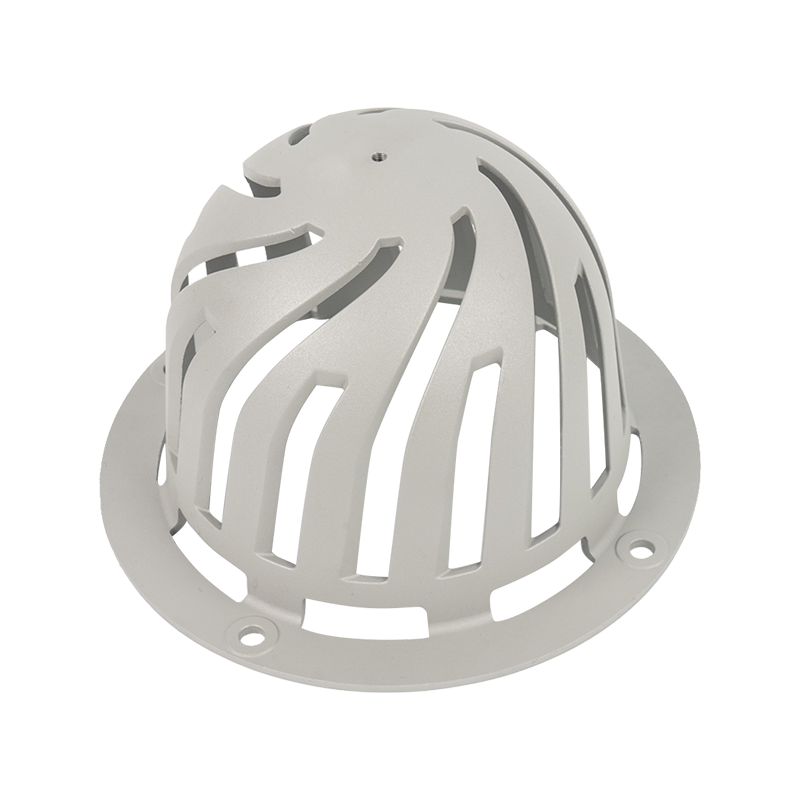
 Custom High-Strength Aluminum Alloy Die Castings for Industrial ComponentsEngineered for load-bearing and protective roles, these custom castings balance strength, wear resistance, and lightweight design—ideal for motor and LED housings where reliability matters.View Product →
What the Datasheet Does Not Tell You
Every alloy has a production personality. These practical factors affect delivery time, scrap rate and final part cost.
Key insight: The cheapest alloy per kilogram is not always the cheapest per qualified part. A slightly more expensive grade often pays for itself through lower scrap, faster machining and fewer field returns.
- Die soldering: A380 tends to solder to die steel unless iron content is controlled. A383's higher silicon is easier on the die and extends tool life.
- Machinability: Copper improves machinability, so A380 machines faster than A360. If your part needs hundreds of drilled or tapped holes, this directly affects cycle time.
- Anodising quality: Silicon above 10% produces a darker, less uniform anodised finish. Parts that require cosmetic anodising may need A360 or a specially refined alloy.
- Pressure testing: A413 costs a little more per kilogram, but if your part must pass a 100% air-under-water test, the reduction in porosity scrap usually pays the difference.
- Heat treatment: Standard die casting alloys respond poorly to T6 treatment because trapped gas expands during solutionising. If heat treatment is mandatory, vacuum-assisted die casting or a different process should be discussed.
Industry-Specific Alloy Recommendations
Across the parts we produce in our own die casting plant, from automotive components to motor housings, instrument enclosures and valve bodies, the same selection logic repeats.
Automotive Components
A380 and A383 dominate automotive die casting. Our IATF 16949-certified production line relies on their consistency for brackets, housings and structural parts. For components near the exhaust or turbo system, a high-temperature-resistant grade should be evaluated instead of assuming a standard alloy will survive sustained heat.
Motor Housings
Motor housings combine structural load, vibration and heat. A380 is the standard answer because it balances strength, thermal conductivity and dimensional stability. If the motor runs in a humid or wet environment, specify a waterproof coating or move to A360 for the housing alloy itself. For a closer look at how alloy choice fits into the full production chain, read our complete guide to what aluminum casting is and how it works.
Instrument Housings and Outdoor Enclosures
Outdoor instruments face corrosion, UV and thermal swings. A360's low copper content makes it the safer pick. It is harder to cast and a little more expensive, but a field failure caused by a corroded enclosure is far costlier.
Pressure-Reducing Valve Bodies
Valve bodies demand pressure tightness, corrosion resistance and precise machining. A413 offers the best leak resistance thanks to its high silicon content, while A380 provides better overall strength. Many valve manufacturers choose A380 with vacuum assistance and impregnation to combine strength with leak protection.
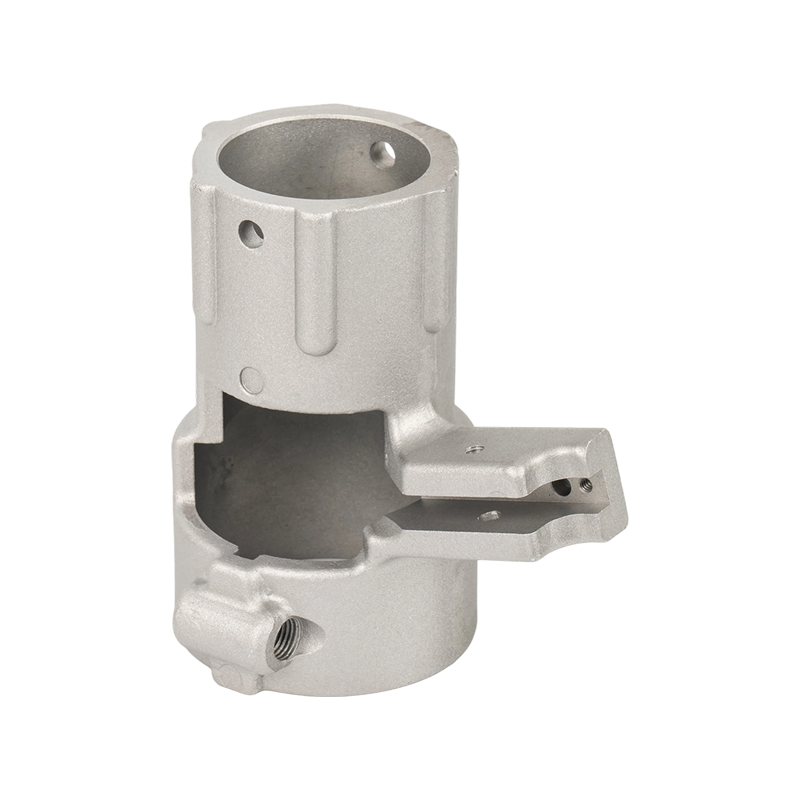
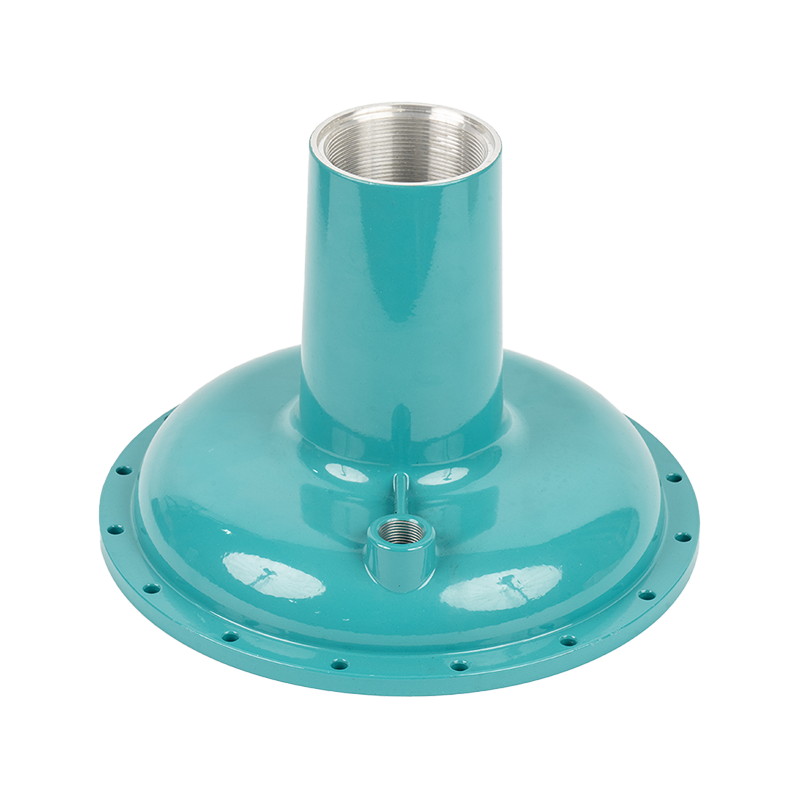 Die-Cast Aluminum Pressure Reducing Valve Housings with Precision MachiningThese valve housings combine die-cast flow channels with CNC-machined sealing surfaces, offering pressure tightness and corrosion resistance—key for valve manufacturers evaluating alloy choices.View Product →
Questions to Ask Before You Lock In an Alloy
A reliable die casting partner should answer these questions without hesitation.
- Do you have test certificates showing actual mechanical properties for this alloy from your production line, rather than just the datasheet values?
- What wall thickness does your die design recommend for this alloy on our part geometry?
- How will you control porosity at pressure-testing locations, and what is your typical scrap rate?
- Can you machine, surface-treat and assemble in-house, so the alloy can be optimized across the whole process rather than in isolation?
- Which alloy do you recommend for our specific service environment, and what field or production data supports that recommendation?
At our plant, we run zinc and aluminum die casting with in-house mold making, machining, polishing and finishing. Alloy selection is never isolated from tooling or downstream process constraints. If you want to see the production environment behind those answers before you commit, take a virtual tour of our factory floor.
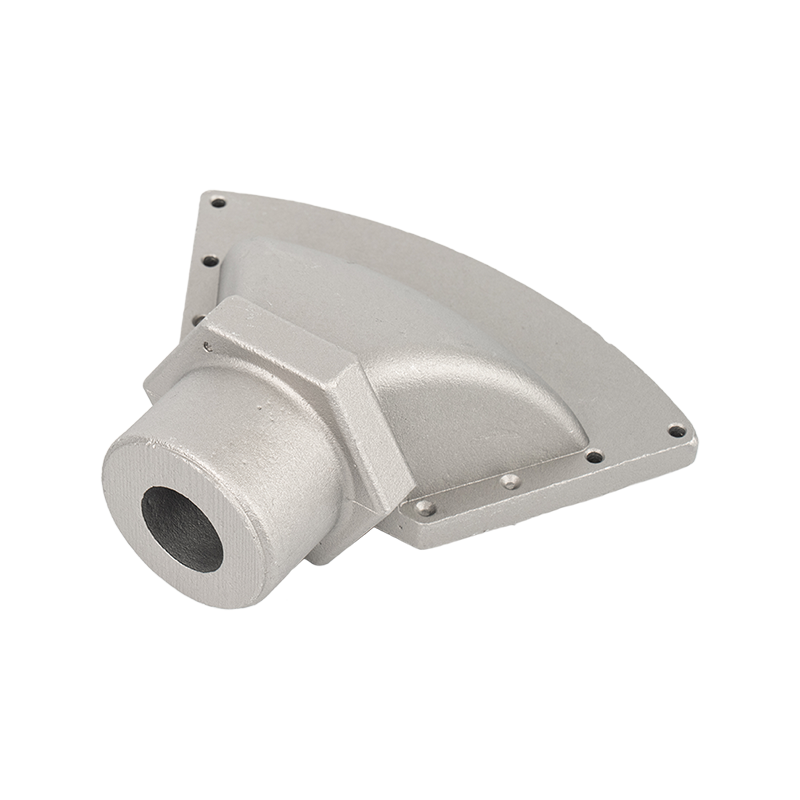
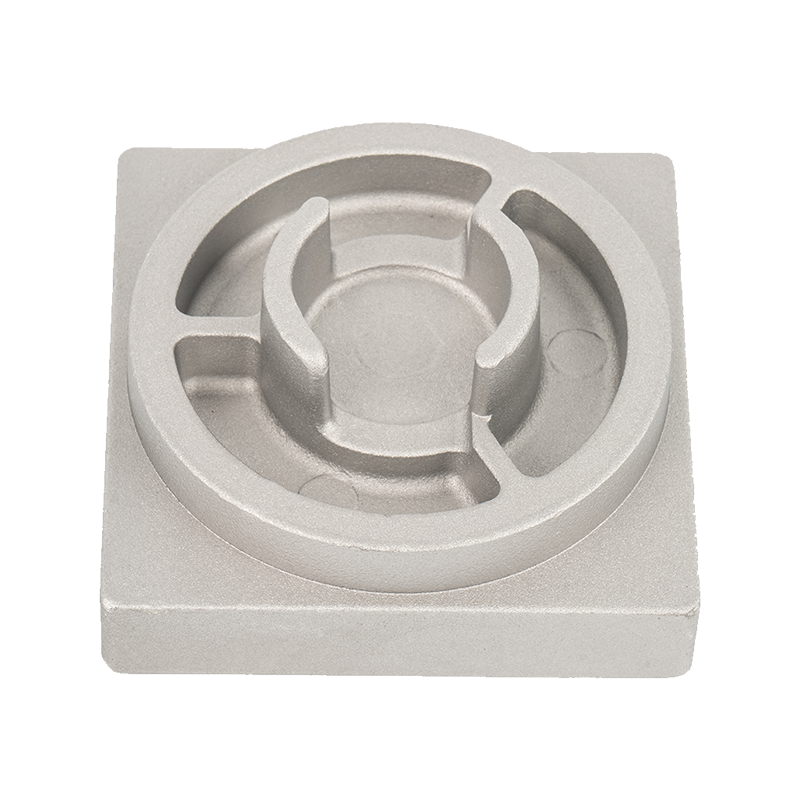 Precision Aluminum Alloy Cast Parts with Multi-Interface CapabilitiesSuited for complex mechanical, electronic, and automation systems, these parts deliver precise fitting and stable performance through die casting and CNC finishing—worth exploring for alloy selection insights.View Product →
Frequently Asked Questions
Is ADC12 the same as A383?
Nearly. ADC12 is the Japanese Industrial Standard designation with a specified range of 9.6-12.0% silicon and 1.5-3.5% copper. A383 is the Aluminum Association designation with a tighter limit of 9.5-11.5% silicon and 2.0-3.0% copper. In practice the two are treated as interchangeable for most die casting projects, though a drawing from a Japanese customer will typically call out ADC12.
Why is A380 the most common aluminum die casting alloy?
A380 delivers the best combined balance of strength, castability, thermal conductivity, machinability and cost. It covers the widest range of industrial parts, so die casting manufacturers run it in high volume and understand its behaviour across die designs and finishing lines.
Can aluminum die castings be heat treated?
Only with care. Standard alloys contain micro-porosity from air entrapment during the high-speed fill. The heat of T6 solutionising expands that trapped air and causes surface blisters. Vacuum die casting or special low-porosity processes can enable heat treatment, but the first question should always be whether the component truly needs it.
What is the minimum wall thickness for aluminum die casting?
With A383 or ADC12, walls down to 1.2-1.5 mm are achievable in well-designed parts. A380 allows around 1.5-2.0 mm under normal production conditions. Below these limits, metal flow, die cooling and gate design become critical.
Does copper content significantly affect corrosion resistance?
Yes. Copper forms galvanic cells that accelerate corrosion in humid or saltwater environments. That is why A360, with a maximum copper content of about 0.6%, outperforms A380 in outdoor service. If you need both strength and corrosion resistance, discuss protective coatings or a low-copper structural alloy with your manufacturer.