NINGBO CHIP MACHINERY CO., LTD.
Home / News / Industry News / What Are Aluminium Die Casting Auto Parts and Where Are They Used

What Are Aluminium Die Casting Auto Parts and Where Are They Used

AUTOMOTIVE CASTING KNOWLEDGE

How Are Aluminium Die Casting Auto Parts Designed, Produced and Maintained?

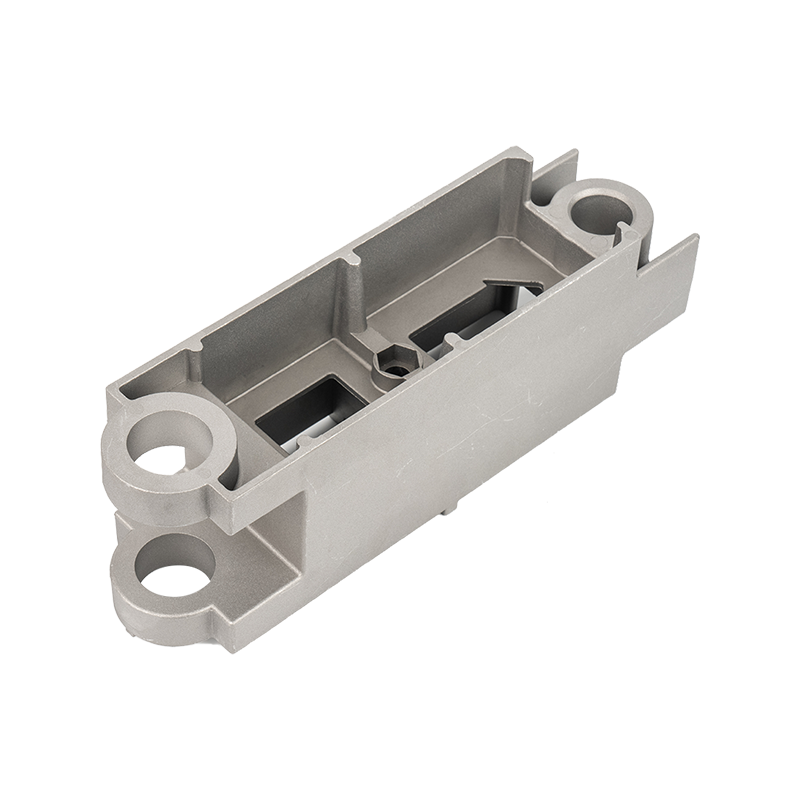
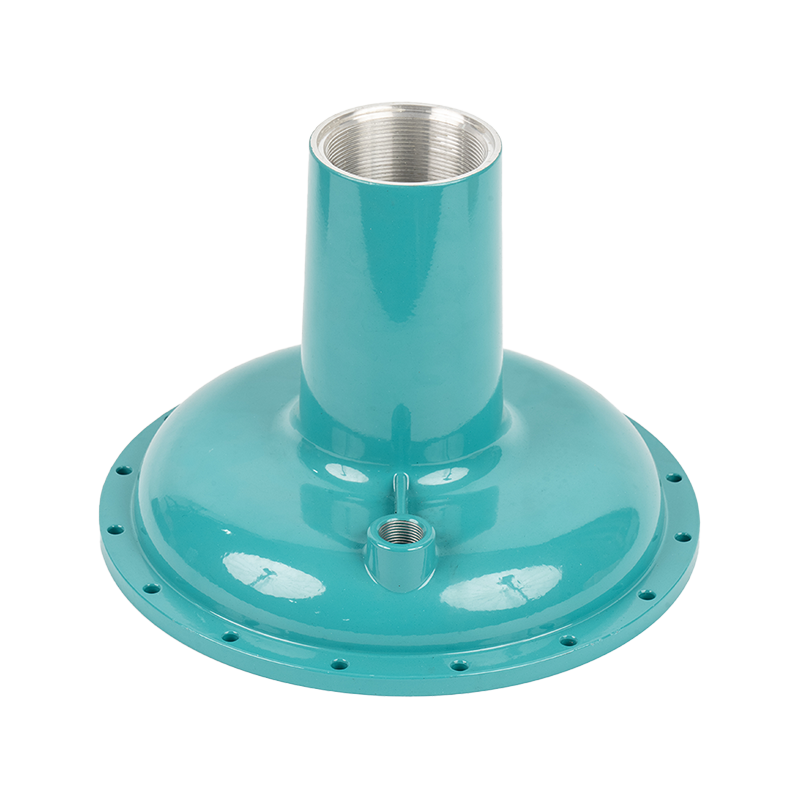
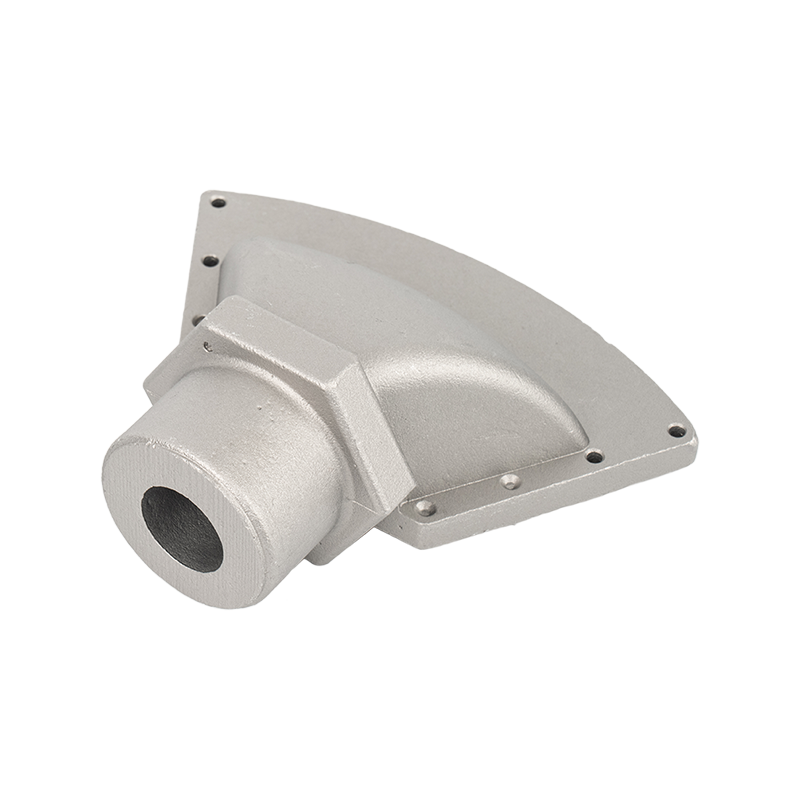
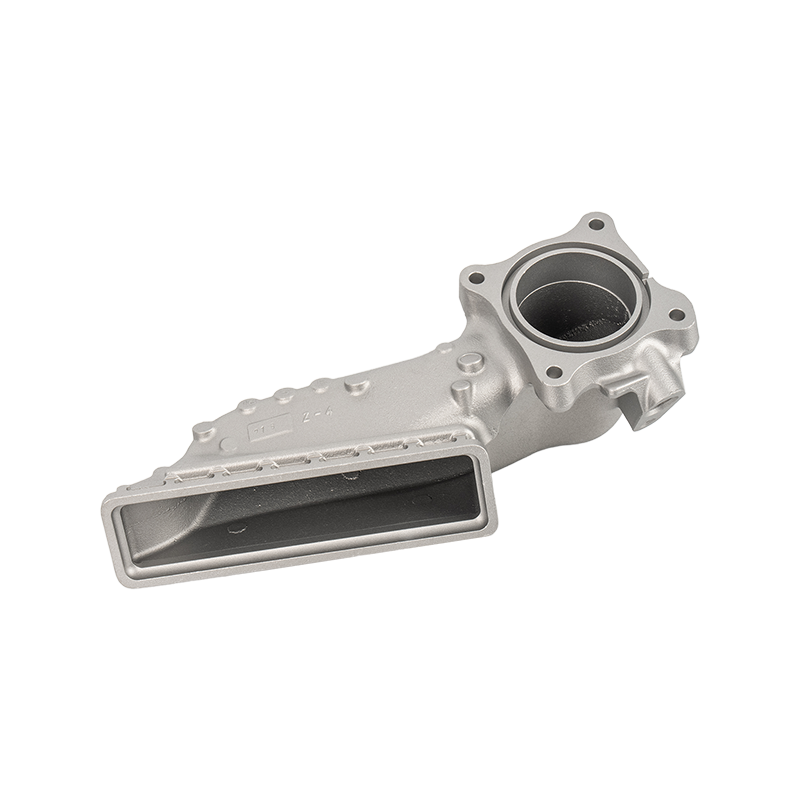
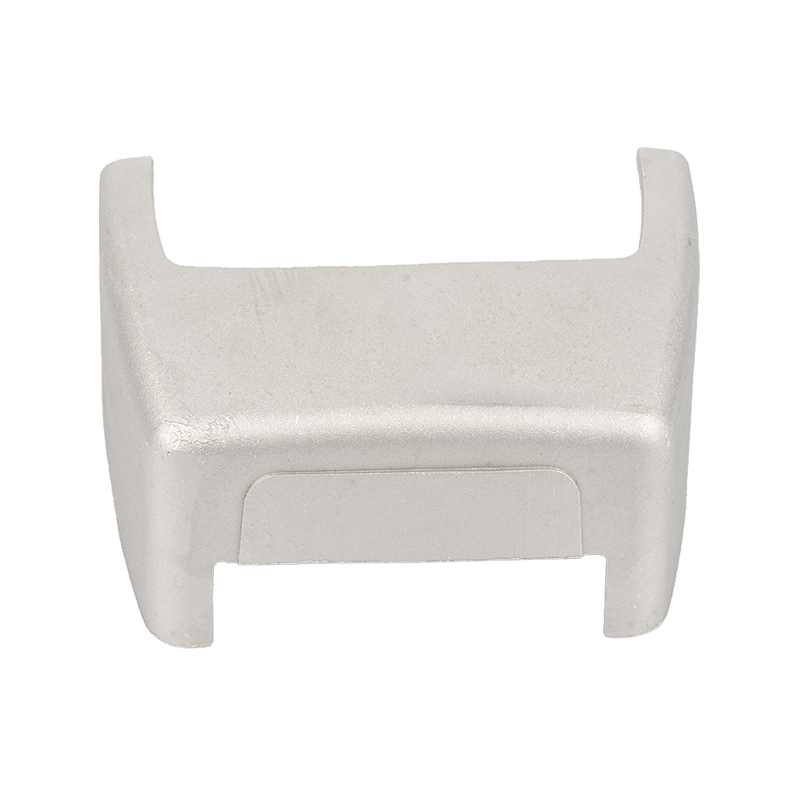
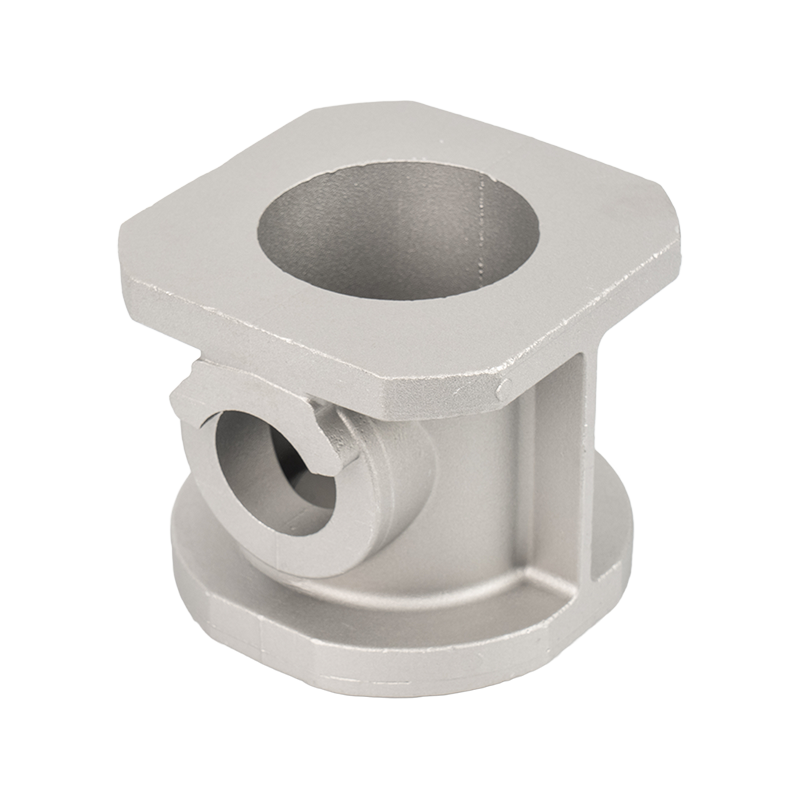
Automotive manufacturers use casting to create engine housings, transmission components, structural brackets, pump bodies, motor covers and other geometrically complex metal parts. Among these products, aluminium die casting auto parts are valued for their low weight, dimensional consistency, thermal conductivity and ability to combine several functions in one component.

A well-designed casting may incorporate mounting bosses, reinforcing ribs, sealing surfaces, bearing locations, cable channels and heat-dissipation fins. This level of integration can reduce separate components and simplify subsequent machining and assembly.

01 Automotive Applications
02 Casting Methods
03 Material Selection
04 Cleaning and Maintenance
05 Supplier Evaluation

TECHNICAL DEFINITION

What Are Die Casting Auto Parts?

Die casting auto parts are metal automotive components produced by injecting molten alloy into a reusable steel die under controlled pressure. The process is especially suitable for components that require relatively thin walls, complex shapes, stable dimensions and repeatable surface quality.

Aluminum is one of the most widely used alloys for automotive high-pressure die casting. It offers a useful balance between weight, strength, corrosion resistance and thermal performance. Zinc, magnesium and copper-based alloys may also be cast for particular functions, dimensions or operating conditions.

Typical material Aluminum-silicon casting alloy
Typical production method Cold-chamber high-pressure die casting
Typical secondary work Trimming, machining and surface finishing
Typical quality checks Dimensions, porosity, leakage and material composition

APPLICATION MAP

Where Are Auto Car Casting Parts Used?

Auto car casting parts are found throughout the powertrain, body structure, braking system, thermal-management system and electrical system.

POWERTRAIN

Engine and Transmission Components

Casting is used for engine blocks, cylinder-head structures, oil pans, timing covers, gearbox housings, clutch housings and transmission-control bodies. These parts often require accurate bearing positions, sealing surfaces and oil channels.

cast block auto parts transmission housing oil system components

ELECTRIFICATION

Electric Motor Housings

Motor bodies, inverter housings, controller covers and battery-related enclosures use aluminum casting to combine protection, mounting and heat-transfer functions.

CHASSIS

Structural and Suspension Parts

Brackets, cross members, mounting supports and selected suspension components can use cast aluminum where weight reduction and structural stiffness are required.

THERMAL SYSTEM

Pump and Cooling Components

Water-pump housings, thermostat bodies, coolant distribution parts and heat-management components benefit from corrosion resistance and complex internal passages.

BODY SYSTEM

Brackets, Covers and Supports

Seat supports, door-system components, mirror brackets, lighting housings and protective covers can be produced with integrated fastening points.

BRAKING AND STEERING

Precision Housings and Functional Bodies

Selected steering, brake and hydraulic-system housings require dimensional control, pressure integrity and carefully managed internal porosity. Material, process and inspection standards must be matched to the safety level of the part.

pressure-tight casting machined sealing surfaces controlled porosity

COMMON SEARCH QUESTION

What Auto Parts Are Considered Motor Cast?

“Motor cast” is not a single universal engineering category. The phrase is commonly used to describe cast parts associated with an internal-combustion engine or electric motor. The exact meaning depends on the product drawing, industry terminology and vehicle system.

Internal-Combustion Applications

Engine blocks, cylinder heads, intake housings, oil pans, timing covers, water-pump bodies, thermostat housings and selected mounting brackets.

Electric-Drive Applications

Motor housings, end covers, inverter housings, controller cases, reduction-gear housings and integrated electric-drive enclosures.

CASTING PROCESS

What Are the Four Types of Casting?

Casting processes can be grouped in several ways. Four widely recognized methods used for industrial metal components are die casting, sand casting, permanent mold casting and investment casting.

01

High-Pressure Die Casting

Molten metal is injected into a steel die at high speed and pressure. This method supports thin walls, detailed shapes, short production cycles and repeatable dimensions.

Suitable forTransmission housings, motor housings, covers and brackets
Main advantageHigh production efficiency and integrated geometry
Main considerationTooling investment and porosity control
02

Sand Casting

Molten metal is poured into a disposable sand mold. The method can produce large parts and relatively low quantities without a high-cost permanent die.

Suitable forLarge housings, prototype blocks and heavy cast components
Main advantageFlexible part size and lower initial tooling complexity
Main considerationRougher surfaces and greater machining requirements
03

Permanent Mold Casting

Molten metal enters a reusable metal mold mainly through gravity or controlled low pressure. Solidification is generally slower than high-pressure die casting.

Suitable forWheels, selected housings and thicker structural components
Main advantageGood mechanical properties and reusable tooling
Main considerationLower detail and production speed than high-pressure casting
04

Investment Casting

A wax pattern is coated with ceramic material. After the wax is removed, molten metal fills the ceramic shell and forms a detailed component.

Suitable forSmall precision components with intricate geometry
Main advantageDetailed shapes and a fine surface finish
Main considerationLonger production process and higher unit cost
Casting Method Typical Surface Quality Thin-Wall Capability Production Quantity Common Automotive Use
High-pressure die casting Good High Medium to high Housings, covers, brackets and motor parts
Sand casting Moderate to rough Limited Low to medium Large blocks, prototypes and heavy housings
Permanent mold casting Good Moderate Medium Wheels and thicker structural parts
Investment casting Very good Moderate Low to medium Small precision mechanisms and special components
MATERIAL DECISION

Why Is Aluminum Used for Die Casting Auto Parts?

Automotive casting materials must satisfy weight, strength, temperature, corrosion, cost and manufacturability requirements.

Advantages of Aluminum Casting

Reduced component weight

Aluminum has a much lower density than cast iron and steel. Weight reduction can support vehicle efficiency and simplify handling during assembly.

Good thermal conductivity

Heat can move through aluminum housings efficiently, which is useful for engines, motors, controllers, lighting systems and power electronics.

Integrated geometry

Mounting points, ribs, covers, cooling fins and internal channels can be incorporated into one die-cast part.

Natural corrosion resistance

Aluminum forms a protective oxide layer. Additional coatings may be applied when the part is exposed to road salt, chemicals, abrasion or decorative requirements.

CORROSION QUESTION

Does Cast Iron Auto Parts Rust Outside?

Yes. Unprotected cast iron auto parts can rust when exposed to outdoor moisture and oxygen. Road salt, mud, acidic contamination and repeated wet-dry cycles can accelerate corrosion.

Dry indoor storage Lower corrosion risk
Outdoor humidity Surface rust may develop
Road salt exposure Accelerated corrosion
Damaged protective coating Localized rust formation

Cast iron components are commonly protected with paint, powder coating, plating, oil, conversion treatment or other corrosion-control systems. Coating damage should be repaired before corrosion spreads beneath the surrounding finish.

CARE INSTRUCTIONS

How to Clean Cast Aluminum Auto Parts

Cleaning methods must remove oil, road residue and oxidation without damaging machined surfaces, sealing areas or protective coatings.

STEP 1

Identify the Surface Condition

Determine whether the part is bare aluminum, painted, powder coated, anodized or chemically treated. Aggressive chemicals may damage some finishes.

STEP 2

Remove Loose Contamination

Brush away dry dirt and loose debris. Avoid hard steel tools that can scratch the surface or leave embedded iron particles.

STEP 3

Apply a Mild Cleaner

Use a cleaner compatible with aluminum and the existing coating. Apply it according to its specified concentration and contact time.

STEP 4

Agitate Carefully

Use a soft nylon brush or non-abrasive cleaning pad. Pay attention to ribs, bolt recesses, oil channels and textured areas.

STEP 5

Rinse Thoroughly

Remove chemical residue with clean water when the part and cleaner permit water rinsing. Do not allow cleaner to dry on the metal.

STEP 6

Dry and Inspect

Dry the component completely. Inspect for cracks, coating failure, corrosion, damaged threads, sealing-surface defects and fluid leakage.

Cleaning Practices to Avoid

Strong alkaline chemicals, highly acidic cleaners, aggressive wire brushes and prolonged chemical soaking can attack aluminum surfaces. High-pressure washing should not be directed into bearings, electrical connections or unsealed cavities.

DESIGN CONTROL

Important Design Factors for Cast Block Auto Parts

Cast block auto parts require careful control of wall thickness, internal channels, machining datums, sealing surfaces and local thermal loads.

Wall uniformity

Sudden wall-thickness changes can create uneven cooling, shrinkage and internal porosity. Gradual transitions improve metal flow and solidification.

Reduces hot spots
Rib placement

Ribs can increase stiffness without making the complete casting excessively thick. Heavy rib intersections should be avoided.

Improves rigidity
Machining allowance

Bearing bores, gasket surfaces, threads and precision datums may require controlled material allowance for secondary machining.

Supports final accuracy
Internal passages

Oil, coolant and ventilation channels must be designed for core stability, cleaning access and leakage verification.

Controls fluid performance
Draft angle

Surfaces parallel to the mold opening direction need suitable draft to reduce sticking, drag marks and ejection deformation.

Improves mold release
Porosity-sensitive zones

Sealing surfaces, threaded areas and highly loaded sections should be positioned and processed with internal-defect risk in mind.

Improves reliability
QUALITY VERIFICATION

How Are Die Casting Auto Parts Inspected?

Inspection plans are determined by the function, safety level, drawing tolerances and internal-quality requirements of the component.

DIMENSIONAL

Measurement and Geometry

Critical dimensions, flatness, hole position, profile tolerance, machining datums and assembly interfaces.

MATERIAL

Alloy Composition

Spectral analysis, incoming-material control, melt records and batch traceability.

INTERNAL QUALITY

Porosity Inspection

X-ray inspection, section analysis or industrial computed tomography for critical areas.

PRESSURE

Leak Testing

Air-decay, pressure-hold or other specified testing for fluid and sealed housings.

MECHANICAL

Material Performance

Tensile strength, hardness, fatigue, impact or other application-specific tests.

SURFACE

Appearance and Coating

Surface defects, coating thickness, adhesion, color consistency and corrosion resistance.

PROJECT EVALUATION

How to Review Auto Car Casting Parts Suppliers

Auto car casting parts suppliers should be evaluated through engineering, tooling, production, machining and quality-control capabilities. A reliable assessment should focus on whether the supplier can consistently meet the drawing and functional requirements.

Engineering review

Parting line, wall thickness, ribs, bosses, draft and machining allowance

Mold capability

Die design, simulation, manufacturing, maintenance and spare inserts

Machine capability

Clamping force, shot capacity, vacuum system and process monitoring

Material control

Approved alloys, melt management, composition testing and traceability

Secondary processing

CNC machining, deburring, cleaning, coating and component assembly

Inspection capability

CMM, X-ray, leakage testing, mechanical testing and coating inspection

PROJECT INPUT

Information Needed for Auto Parts Casting Development

3D model

Complete geometry for mold, flow and machining evaluation

2D drawing

Dimensions, tolerances, datums, threads and inspection notes

Material specification

Specified aluminum alloy or functional performance requirements

Vehicle application

Temperature, load, vibration, fluid contact and corrosion exposure

Annual quantity

Production forecast for tooling and cavity planning

Surface finish

Coating, appearance, roughness and corrosion-resistance requirements

Quality standard

Porosity, leakage, mechanical and dimensional acceptance criteria

Assembly information

Bearings, inserts, seals, fasteners and mating-component requirements

TECHNICAL QUESTIONS

FAQs About Aluminium Die Casting Auto Parts

Why are aluminum alloys commonly used for automotive housings?

Aluminum alloys combine low density, useful structural strength, corrosion resistance and thermal conductivity. They also fill complex die cavities effectively when the alloy and casting parameters are properly controlled.

Can die-cast automotive parts be heat treated?

Heat-treatment capability depends on the alloy and internal porosity level. Conventional high-pressure castings may blister during high-temperature treatment if trapped gas expands. Special vacuum and process-control methods may improve heat-treatment suitability.

Can steel inserts be added to aluminum castings?

Yes. Threaded inserts, sleeves, bearing supports and reinforcement elements can be incorporated when the interface, thermal expansion, mold positioning and bonding requirements are properly designed.

Why do some cast aluminum auto parts require machining?

Casting can produce repeatable near-net shapes, but precision bores, sealing surfaces, bearing seats, threads and critical datums may require CNC machining to achieve the final tolerance and surface finish.

Are all die casting auto parts pressure-tight?

No. Pressure tightness depends on component design, metal flow, venting, vacuum level, porosity, machining and sealing. Pressure-sensitive products require a defined leak rate and an appropriate inspection process.

What causes cracks in aluminum automotive castings?

Cracks may result from sharp corners, uneven cooling, ejection stress, excessive residual stress, poor alloy control, impact damage or unsuitable machining conditions. The fracture location and surface should be analyzed before corrective action is selected.

AUTOMOTIVE CASTING REVIEW

Develop Auto Car Casting Parts Around Real Operating Requirements

Material selection, mold-flow behavior, porosity control, machining datums, surface treatment and inspection criteria should be defined as one coordinated process. Accurate drawings and application data help convert a component concept into a stable and manufacturable casting.