English
  中文简体
中文简体 
Content
- 1 What Is a Water Pressure Reducing Valve and How Long Does It Last?
- 2 7 Warning Signs Your Pressure Reducing Valve Is Failing
- 3 How to Test Your Water Pressure Reducing Valve in 5 Steps
- 4 What Causes a Water Pressure Reducing Valve to Go Bad?
- 5 Water Pressure Regulator Repair vs. Replacement: How to Decide
- 6 Preventing Premature PRV Failure in Your Home
- 7 Conclusion: Know the Signs, Test the Pressure, Act Early
At 6:30 a.m., you step into the shower and the spray feels weak. Later, the pipes bang when the washing machine shuts off. Both symptoms can point to one component: your water pressure reducing valve (PRV). Wondering how to know if your water pressure reducing valve is bad? Check seven warning signs, run a five-step pressure gauge test, and compare the readings to clear thresholds. This guide shows you how, and when to adjust, repair, or replace the valve before an expensive failure develops.
What Is a Water Pressure Reducing Valve and How Long Does It Last?
A water pressure reducing valve is a spring-loaded device installed on your main water line, usually just after the main shutoff valve and close to the water meter. It takes municipal supply pressure, which can arrive at 80 to 120 psi, and steps it down to a safe household range. Most homes are designed to operate between 40 and 60 psi. Pressure at or above 80 psi raises the risk of dripping faucets, burst supply lines, and premature water heater failure.
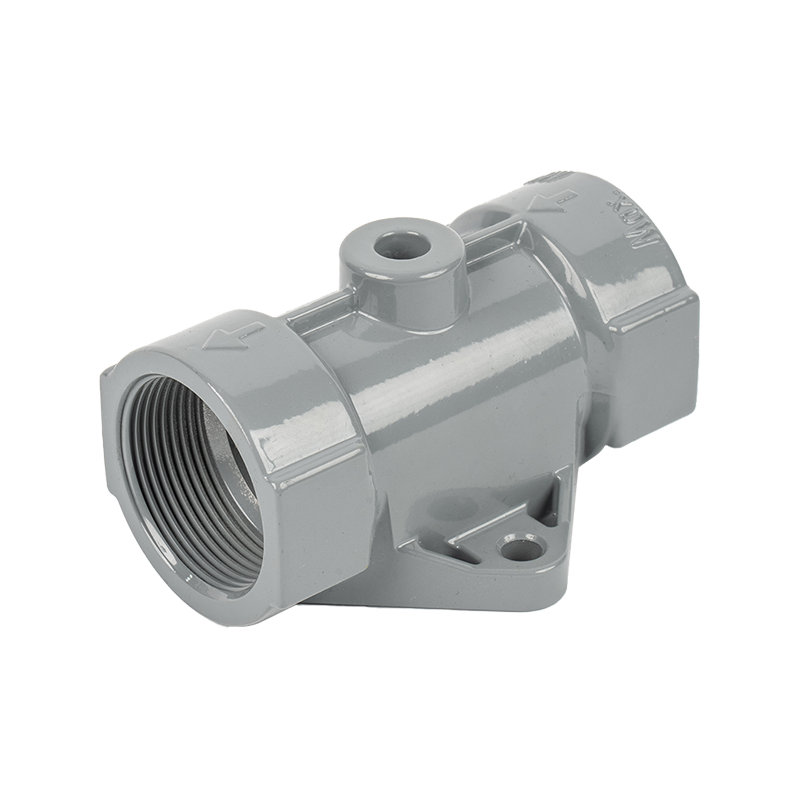
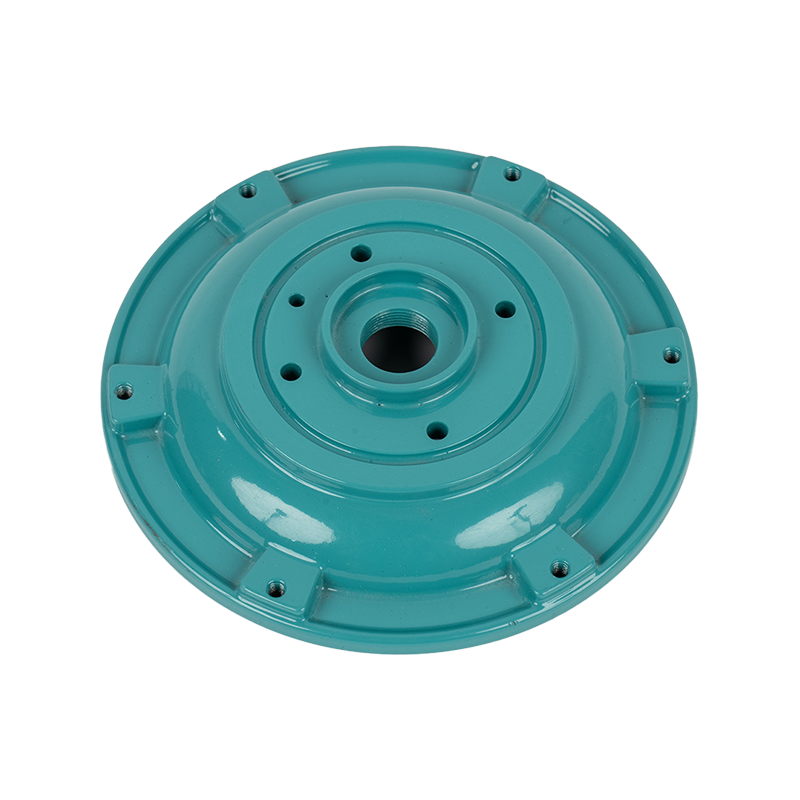
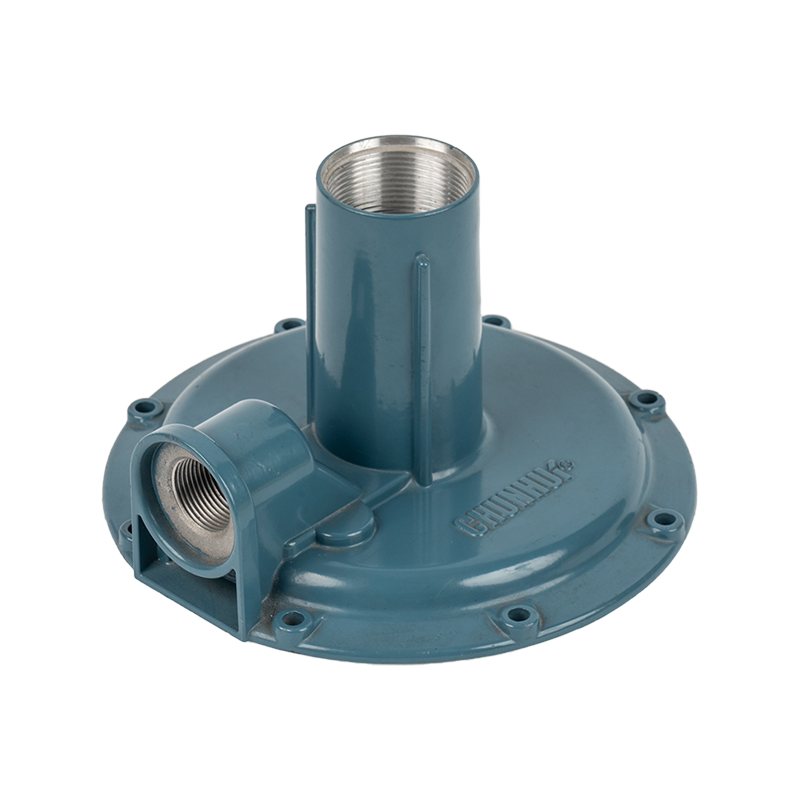
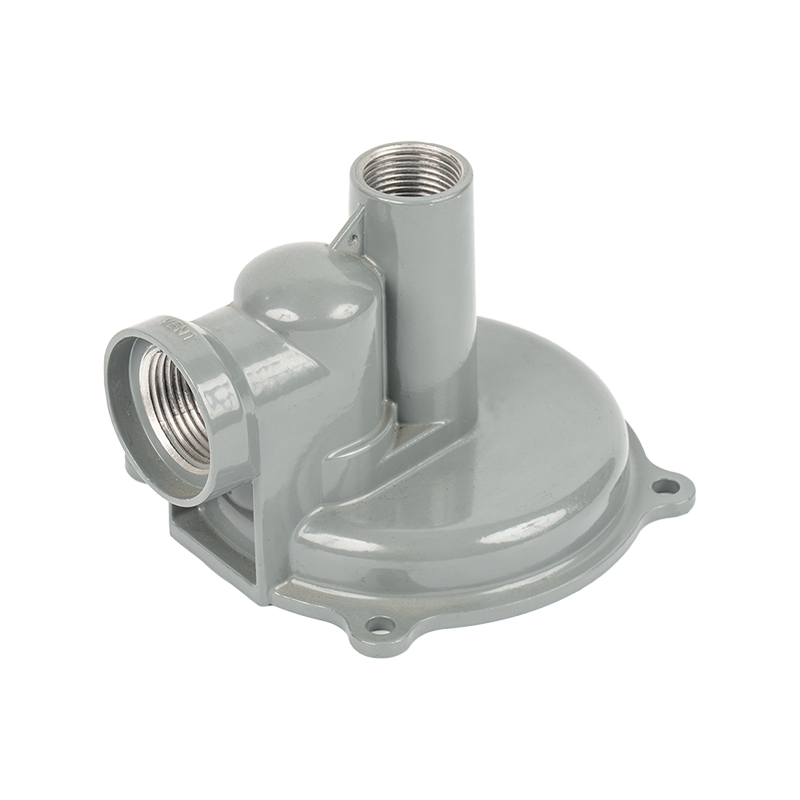
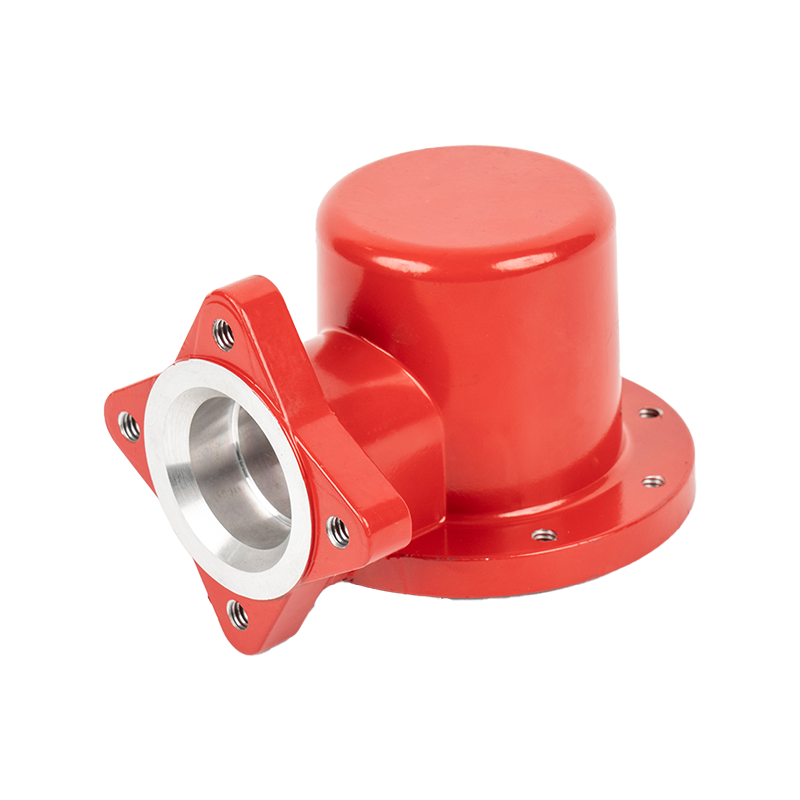
Typical PRV service life is 10 to 15 years, assuming clean water and normal supply conditions. Hard water, frequent water hammer, and repeated pressure spikes can wear out internal parts much faster. The components that fail most often are the diaphragm, the spring, and the valve seat. The housing matters too. From a manufacturing standpoint, low-grade castings with internal porosity and weak corrosion protection develop micro-cracks that grow into external leaks long before the internal parts wear out. Precision-cast housings with corrosion-resistant treatment are one reason two seemingly identical valves can have very different lifespans.
7 Warning Signs Your Pressure Reducing Valve Is Failing
Not every pressure problem is caused by a bad PRV, but these seven signs cover the most common failure modes. If you recognize several of them, run the gauge test in the next section.
- Low water pressure at every fixture. When hot and cold taps all run weak, the PRV is likely delivering too little downstream pressure. A worn diaphragm cannot hold the set point, so output drifts downward.
- Pressure that fluctuates while you use water. If the shower weakens when a kitchen tap opens, the internal spring-and-diaphragm assembly cannot compensate. A healthy PRV holds pressure within a few psi.
- Water hammer banging. When an appliance closes quickly, the water column slams to a stop. A worn PRV no longer absorbs the shock, so the pipes take the impact.
- Forceful, splashing water. If the flow feels aggressive and the pressure sits above 80 psi, the PRV has lost its step-down ability. This is the most dangerous mode because it stresses the whole plumbing system.
- Visible leaks, stains, or rust around the valve body. Moisture on the bonnet, weep holes, or threaded connections means the diaphragm seal or housing has failed.
- Your water meter moves when everything is off. A PRV that will not seal internally lets supply pressure push water past the valve, so the meter keeps spinning.
- Uneven flow between fixtures on the same floor. Different pressure drops at different outlets, especially when a second fixture runs, point to internal wear or a partially blocked valve seat.
How to Test Your Water Pressure Reducing Valve in 5 Steps
You need a water pressure gauge (about 10 dollars), an adjustable wrench, and Teflon tape. The test takes ten minutes and gives you numbers instead of guesses.
- Choose a test point. Use an outdoor sillcock or a washing machine faucet. Avoid spray nozzles and hose shutoffs, which mask the reading.
- Attach the gauge. Wrap Teflon tape around the threads, screw on the gauge hand-tight, then snug it with a wrench. Open the faucet fully and let the air purge.
- Record the static pressure. Close every fixture so no water flows. The reading should sit in the 40 to 60 psi band; anything at or above 80 psi is a red flag.
- Measure the dynamic pressure. Open a remote faucet so water flows. A healthy PRV holds within a few psi; a drop beyond 15 to 20 psi signals a failing spring or diaphragm.
- Try recalibrating. Find the adjusting bolt on top of the valve. Turn clockwise to raise pressure, counterclockwise to lower it. Make a quarter turn, wait 30 seconds, and recheck.
Use these thresholds to interpret the reading:
- Static pressure above 80 psi that will not come down with the adjusting bolt: replace the valve.
- Static-to-dynamic drop greater than 15 to 20 psi: the internal mechanism is worn, and replacement is more economical than repeated repairs.
- You can bring the valve back to 40 to 60 psi with a small adjustment: it is still serviceable; recheck it in a year.
Have a second person watch the test faucet while you adjust the bolt, so you can see the flow change without running back and forth.
What Causes a Water Pressure Reducing Valve to Go Bad?
Knowing why PRVs fail helps you avoid a repeat failure after replacement.
- Spring fatigue. After a decade of constant tension, the spring loses its elasticity and cannot hold a stable set point.
- Mineral scale. Hard water deposits scale on the diaphragm and seat. It restricts diaphragm travel and stops a clean seal.
- Water hammer. Repeated pressure spikes deform the diaphragm and fatigue the spring. The same shocks that bang your pipes slowly destroy the valve.
- Installation errors. A valve installed backward, starved of a straight inlet, or pre-set incorrectly will fail early.
How Housing Manufacturing Quality Affects Lifespan
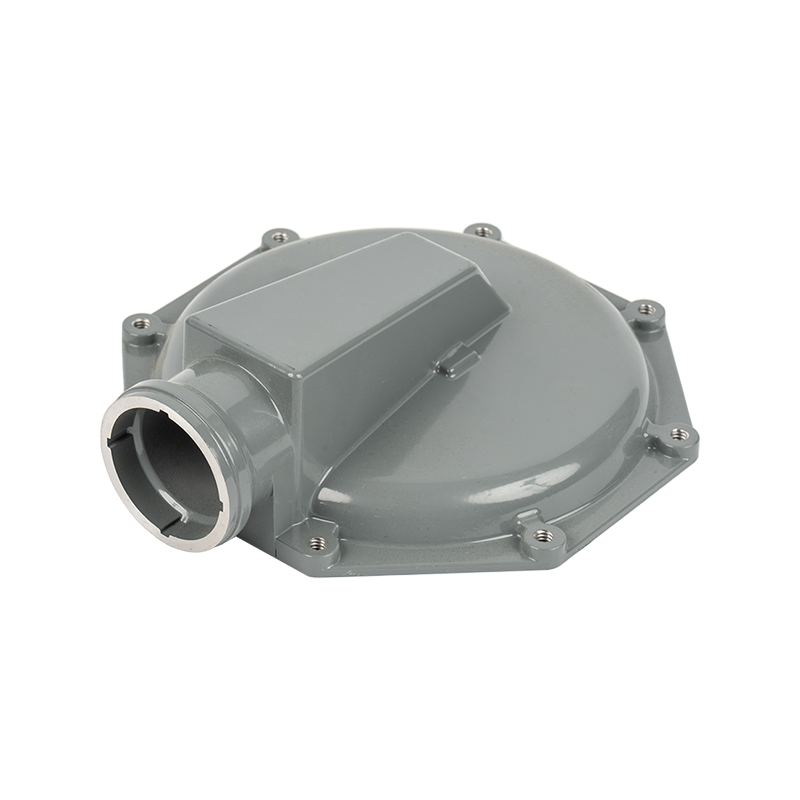
The valve body is not a passive shell. In die casting PRV housings, three details decide how long the valve survives. First, casting soundness. Porosity and shrinkage voids in low-quality castings create stress concentration points; under repeated pressure, micro-cracks grow and eventually leak. This is where die-cast aluminum PRV housing options differ. Second, corrosion resistance. Chlorides and dissolved oxygen attack unprotected aluminum and even some brass alloys. Anodizing or passivation slows that attack, which matters more in coastal areas or with acidic water. Third, machined seal surfaces. The seat and guide faces must be flat and concentric to tight tolerances. Precision machining reduces internal leakage and keeps performance consistent over the valve's life.
 Custom Die-Cast Aluminum Pressure Reducing Valve Housings Manufacturers, OEM/ODMNINGBO CHIP MACHINERY CO., LTD. is China Die-Cast Aluminum Pressure Reducing Valve Housings Manufacturers and OEM Factory, details:Die-ca...View Product →
Water Pressure Regulator Repair vs. Replacement: How to Decide
Start with the cheapest fix. If the adjusting bolt turns freely, the housing is dry and crack-free, and the valve is under 15 years old, try recalibrating to 40 to 60 psi. Many valves that seem failed are simply misadjusted. If recalibration holds, check it annually.
Replace the valve when any of these apply:
- The housing leaks or shows cracks, pitting, or corrosion perforation.
- The adjusting bolt is seized, or it spins without changing the pressure.
- The valve is more than 15 years old and the pressure drifts.
- You have already repaired it more than once and the problem returned.
| Condition | Decision | Why |
|---|---|---|
| Bolt turns, housing dry, under 15 years | Repair by recalibrating | Internal parts can still hold a set point |
| Stays above 80 psi after adjustment | Replace | The spring or diaphragm has failed |
| Cracks, weeping, or corrosion on the housing | Replace | The housing cannot safely contain pressure |
| Older valve with drifting pressure | Replace | A new valve costs less than repeat service calls |
Replacement cost is modest. DIY parts run roughly 40 to 100 dollars. A licensed plumber charges 150 to 350 dollars, depending on your region and how accessible the valve is. If you can shut off the main supply, drain the line, and use Teflon tape and pipe wrenches, DIY replacement is feasible; if the valve is in a tight crawlspace, pay the plumber.
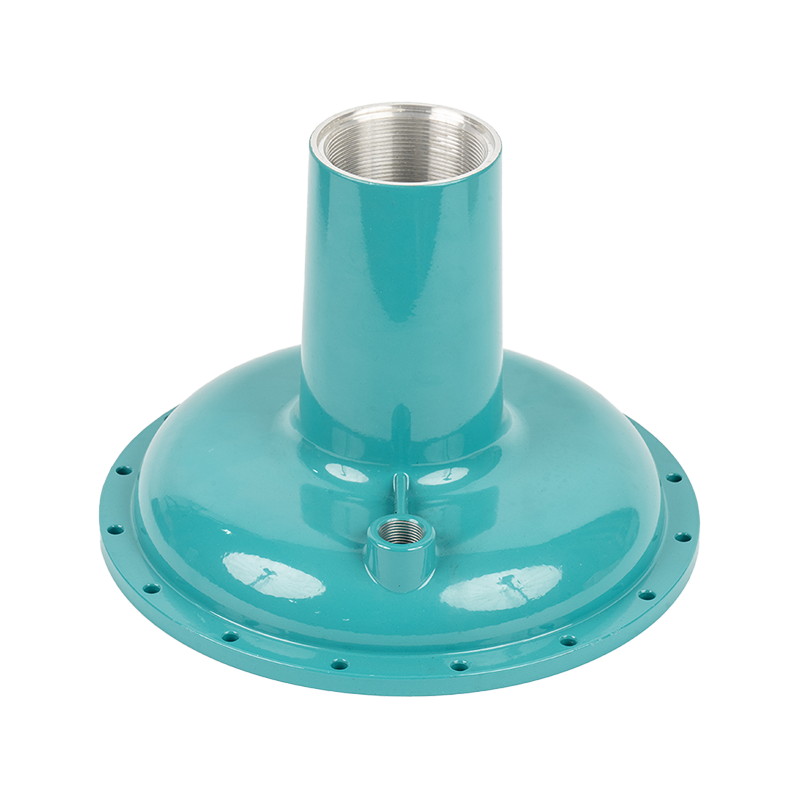
For industrial and commercial systems, the decision comes back to specification quality. Maintenance teams that want predictable service life look for castings with material traceability, pressure test data, and precision-machined sealing surfaces. That is why many specify precision-machined pressure reducing valve bodies for critical installations.
 Custom Precision-Machined Pressure-Reducing Valve Body Manufacturers, OEM/ODM FaNINGBO CHIP MACHINERY CO., LTD. is China Precision-Machined Pressure-Reducing Valve Body Manufacturers and OEM Factory, details:Precision...View Product →
Preventing Premature PRV Failure in Your Home
A new PRV lasts longer if you fix the conditions that killed the old one.
- Install water hammer arrestors on fast-closing appliances such as washing machines and dishwashers. They absorb shock that would otherwise hit the PRV and pipe joints.
- If your water is hard, add a softener or descale periodically. Mineral scale is the biggest accelerator of diaphragm failure.
- Check the pressure once a year with the same gauge. A change of more than 5 to 10 psi means the valve is drifting and should be watched.
- Watch for municipal supply changes. Construction and reservoir switching can send pressure spikes into your plumbing and add extra PRV wear.
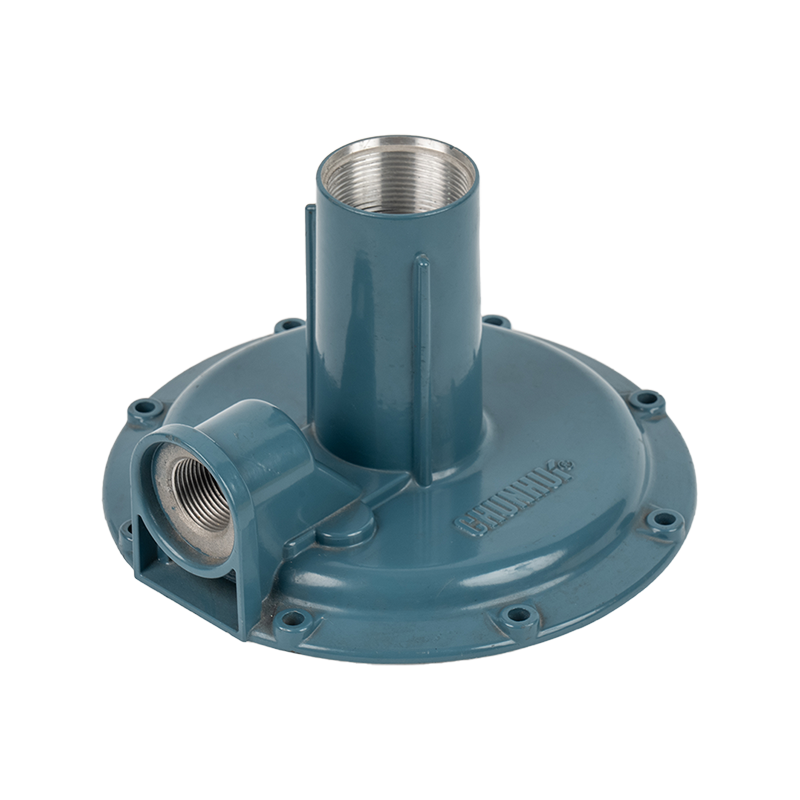
- Choose the replacement valve for the water it will serve. In aggressive water conditions, specify corrosion-resistant PRV housings for harsh water conditions
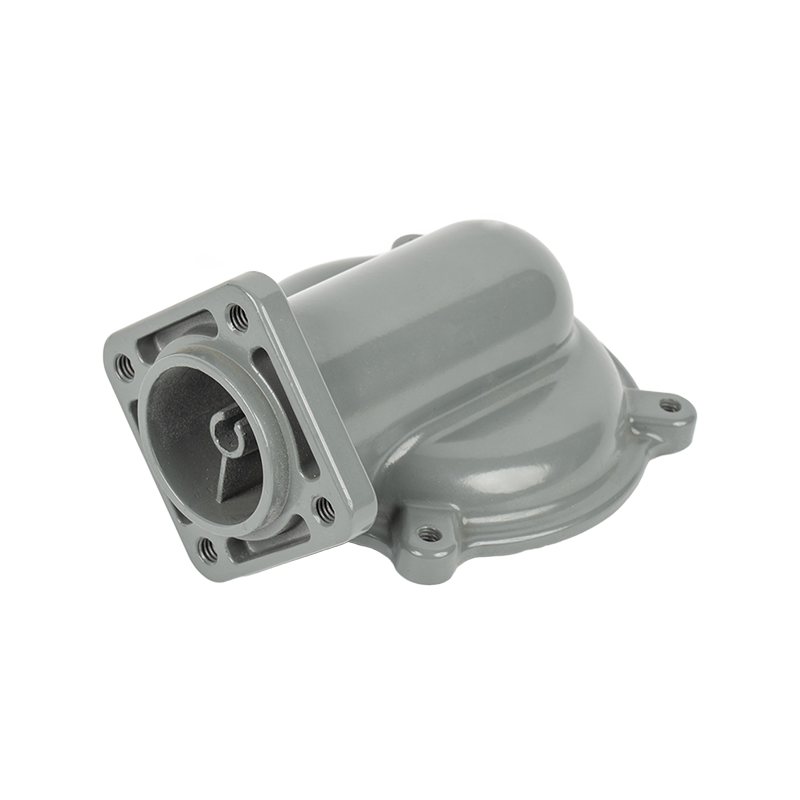 Custom Corrosion-Resistant Pressure Reducing Valve Housings Manufacturers, OEM/ONINGBO CHIP MACHINERY CO., LTD. is China Corrosion-Resistant Pressure Reducing Valve Housings Manufacturers and OEM Factory, details:Corr...View Product → instead of a generic low-cost body.
Conclusion: Know the Signs, Test the Pressure, Act Early
You do not need to be a plumber to know if your water pressure reducing valve is bad. Use the seven symptoms as a first screen, run the five-step gauge test to get real numbers, and hold the valve to the thresholds in this guide: stay between 40 and 60 psi, treat anything above 80 psi as urgent, and replace the valve if the dynamic drop exceeds 15 to 20 psi.
Acting early is inexpensive. A new PRV costs a few tens to a few hundred dollars. A failed one can flood a utility room in hours or stress a supply line until it bursts behind a finished wall. Understand the warning signs, test the pressure, and act early.
If you are selecting housings or bodies for a production run and want to know how casting quality affects field failures, the engineering team can help you match material and finish to your actual water conditions.