English
  中文简体
中文简体 
Content
Your water heater installer just said the pressure at your main line is 110 psi and you need a pressure reducing valve. Or maybe you bought a cheap pressure gauge online, threaded it onto the hose bib, and watched the needle climb past 90. Either way, the question sounds the same: do I really need one, or is this an upsell?
The direct answer is that you need a pressure reducing valve if your static water pressure exceeds 80 psi, if high-pressure damage is showing up as water hammer or repeated leaks, or if your local plumbing code requires one. If your pressure sits steady between 40 and 70 psi, your piping is in good condition, and nothing is leaking, you can usually skip the valve for now.
Here is how to work out which situation applies to you.
What Is a Pressure Reducing Valve and What Does It Actually Do?
A pressure reducing valve, or PRV, takes incoming pressure from a municipal water main or well pump and lowers it to a preset, stable outlet pressure. Inside the valve body, a spring and a flexible diaphragm work as a team. When downstream pressure rises, the diaphragm pushes against the spring and the valve throttles closed. When pressure drops, the spring opens the valve further. The result is steady downstream pressure, even when the upstream supply fluctuates.
Do not confuse a pressure reducing valve with a pressure relief valve. A reducing valve lowers and stabilizes pressure during normal operation. A relief valve sits idle until pressure crosses a safety threshold, then opens to release water or steam and protect the system. Different jobs, different designs, and the terms are frequently mixed up.
Municipal pressure varies widely. A flat service area might deliver 50-60 psi, while a hilly region can push 100-150 psi to reach high elevations. Residential plumbing components are generally designed for pressures up to about 80 psi, and the accepted standard band is 45-80 psi. If your supply runs above that, a PRV is not an accessory; it keeps every downstream device inside its design envelope.
For a more detailed comparison, learn more about the advantages of pressure reducing valves across residential, commercial, and industrial applications.
How to Check If Your Water Pressure Is Too High
You do not need a plumber for the first step. A water pressure gauge with a standard hose thread costs roughly $10 to $15 at any hardware store. It screws onto an outdoor spigot, a washing machine outlet, or any other threaded fixture on the cold-water line.
Here is how to take the reading:
- Attach the gauge to an outdoor faucet or the cold-water valve behind the washing machine.
- Confirm that no other water is running inside or outside the house.
- Open the faucet fully and let the water flow until the needle settles.
- Record the number. That is your static water pressure.
The best time to test is early morning, before the surrounding neighborhood starts drawing water. Municipal systems deliver their highest pressure during low-demand hours, so a morning reading tells you the worst case your plumbing will face.
| Pressure Reading | Condition | Recommendation |
|---|---|---|
| Under 80 psi | Within the normal residential range | No PRV needed |
| 80-100 psi | Elevated | Monitor, inspect, and consider a PRV |
| Above 100 psi | High risk | PRV strongly recommended |
One note: the gauge reads static pressure, with no water flowing. That is the correct number for this decision, because it reflects the maximum stress the system sits under during normal standby conditions.
Signs That High Pressure Is Already Damaging Your System
Before you even pick up a gauge, several symptoms point toward excessive pressure:
- Water hammer. The bang when a valve closes happens because the moving water column slams into it. Higher pressure means a harder slam.
- Repeated dripping from faucets or toilet fill valves. High pressure wears out washers and seals faster than intended.
- A water heater relief valve that weeps. It is designed to open near 150 psi, so periodic dripping means pressure spikes are approaching that limit.
- Bulging washing machine or dishwasher supply hoses. Sustained overpressure weakens them until they fail.
None of these are caused by high pressure alone, but when two or more appear, pressure is the first variable to check. A single burst washing machine hose can release hundreds of gallons within hours.
When a Pressure Reducing Valve Is Truly Necessary
The pressure reading is the starting point, not the whole answer. Work through this framework one layer at a time.
Layer one is measured pressure. Above 100 psi is a clear trigger. Between 80 and 100 psi, continue through the layers. Layer two is piping age and material. Copper joints fatigue over decades of stress cycles. PEX flexes and tolerates pressure better, but every fitting is still a potential leak point.
Layer three is appliance warranty conditions. Several water heater and reverse osmosis brands require inlet pressure at or below 80 psi. If a unit fails while the supply is at 95 psi, the warranty claim can be rejected.
Layer four is local code. Many municipalities require a PRV on new construction and major renovations, and some require one when street pressure exceeds a defined level. A call to the building department settles it in two minutes.
Layer five is insurance. Some homeowners policies exclude water damage from failed supply lines if system pressure exceeded code limits. A brief call to your agent clarifies the exposure.
If layers one and two both point toward risk, the cost arithmetic already favors installing the valve.
Residential Scenarios: What Most Homeowners Should Know
For a typical homeowner, the decision path looks like this:
- Measure the static pressure using the steps above.
- Compare the reading against the 80 psi benchmark.
- Inspect visible plumbing for corrosion, weeping valves, and the condition of flexible hoses.
- Ask the local building department whether a PRV is required in your area.
- Weigh the full picture and make the call.
Pipes that have tolerated high pressure for years are not stronger because they survived; they are older. Running above the design window accelerates aging even when nothing has leaked yet.
Home inspectors frequently recommend PRVs during real estate transactions, especially on older homes. That is not an exaggerated scare; it reflects the same risk logic. A house with 1980s copper lines at 90 psi means the new owner inherits a system that has run above spec for decades.
Industrial and Commercial Applications: A Different Standard
Residential decisions are about cost and comfort. Industrial and commercial decisions are about compliance and continuity.
In steam systems, compressed air loops, boiler feed water, and cooling circuits, a PRV is typically part of the regulated design, not an optional extra. Boiler and pressure vessel codes commonly require reducing valves on supply lines and relief valves on vessels. Skipping one can lead to equipment damage, downtime, and regulatory penalties.
Commercial HVAC systems also depend on stable pressure, because pumps, heat exchangers, and control valves are rated for a specific range. The cost of one unplanned shutdown typically exceeds the installed price of a good valve by a wide margin.
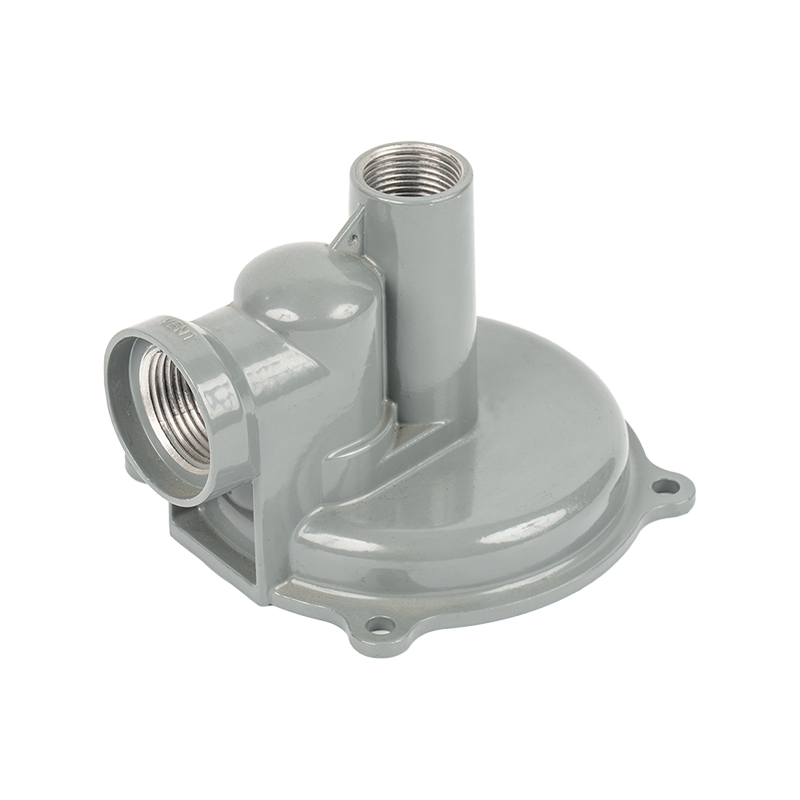
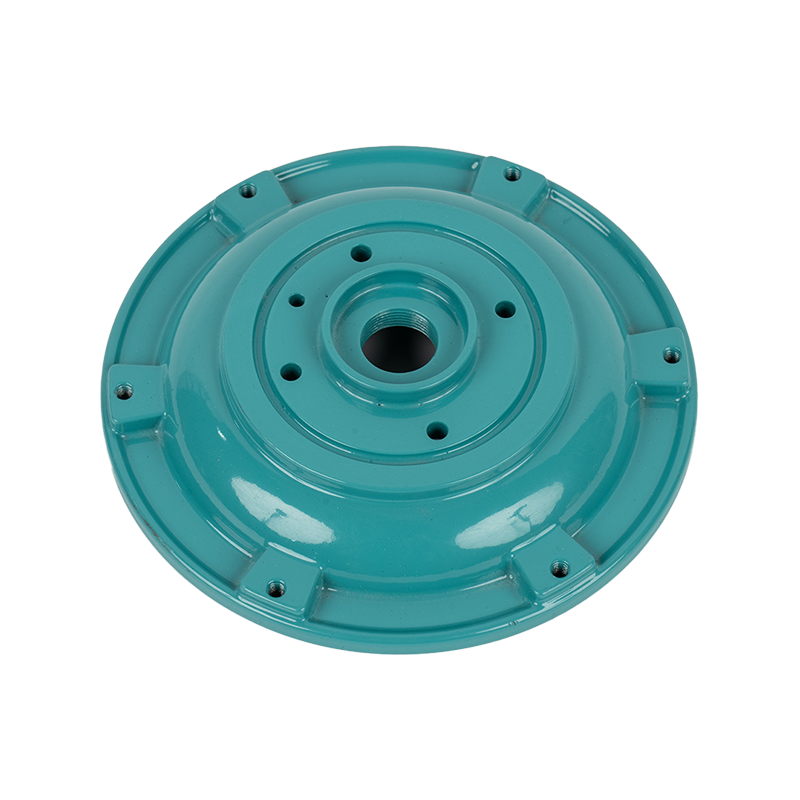
Material requirements are tougher as well. The housing faces water chemistry, temperature cycling, and sometimes aggressive media, which is why many industrial PRV housings are die-cast aluminum or zinc-aluminum alloy rather than simple brass stampings. The housing must hold dimensional accuracy through thermal cycling, resist corrosion, and give internal parts a stable seat. For those conditions, corrosion-resistant PRV housings for industrial environments are an engineering choice, not a preference.
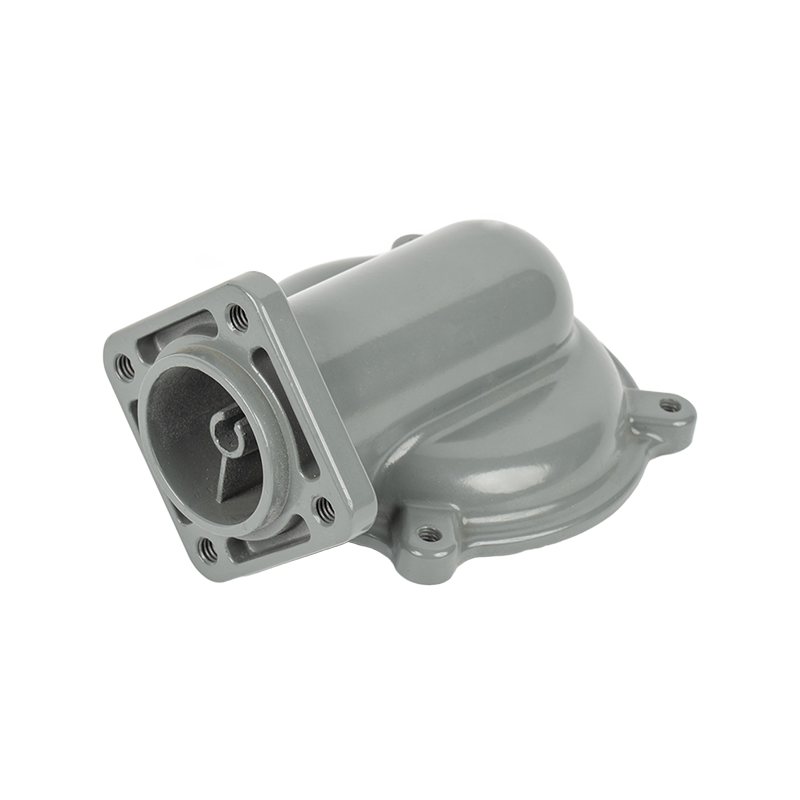 Custom Corrosion-Resistant Pressure Reducing Valve Housings Manufacturers, OEM/ONINGBO CHIP MACHINERY CO., LTD. is China Corrosion-Resistant Pressure Reducing Valve Housings Manufacturers and OEM Factory, details:Corr...View Product →
How to Choose a Quality Pressure Reducing Valve
If the framework says a PRV is needed, the next question is how to pick one. Three factors matter more than the name on the box.
Valve body material comes first. Brass remains the classic residential choice because it machines cleanly and resists corrosion. Stainless steel suits aggressive chemicals and high-temperature service. Die-cast aluminum alloy offers a strong strength-to-weight ratio, good corrosion resistance, and consistent dimensional accuracy in complex shapes. The right material depends on the duty.
Internal component precision is second. The seat, spring, and diaphragm control the set pressure. A housing with a rough sealing surface or uneven wall thickness passes those defects into the valve's behavior, causing drift or chatter. Precision machining is a functional necessity, not a cosmetic detail.
Manufacturer quality systems are third. A valve produced under ISO 9001 or IATF 16949 quality management standards is more likely to have consistent casting, machining, and inspection. Certifications do not guarantee perfection, but they signal process control.
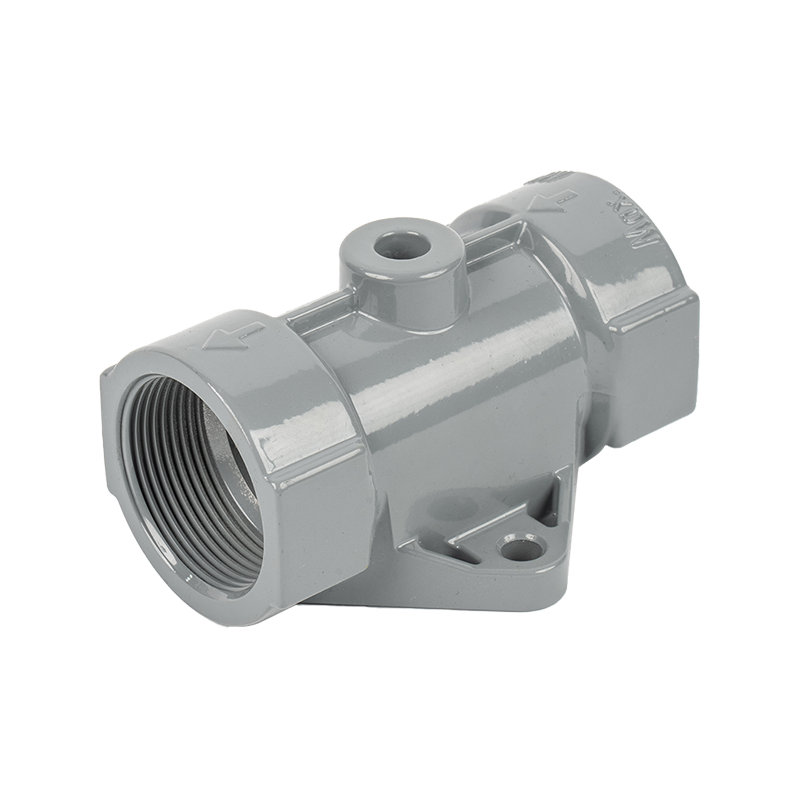
The valve body is the foundation for everything else. A stable, precision-machined housing gives internal components a predictable environment, which is why precision-machined PRV bodies for consistent pressure control matter in both residential and industrial specifications.
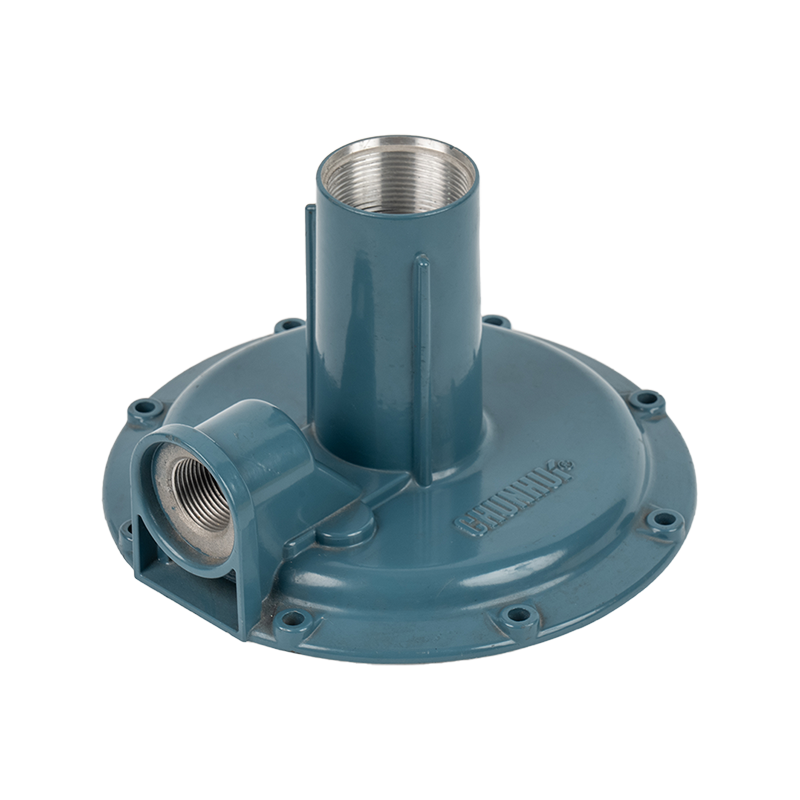 Custom Precision-Machined Pressure-Reducing Valve Body Manufacturers, OEM/ODM FaNINGBO CHIP MACHINERY CO., LTD. is China Precision-Machined Pressure-Reducing Valve Body Manufacturers and OEM Factory, details:Precision...View Product →
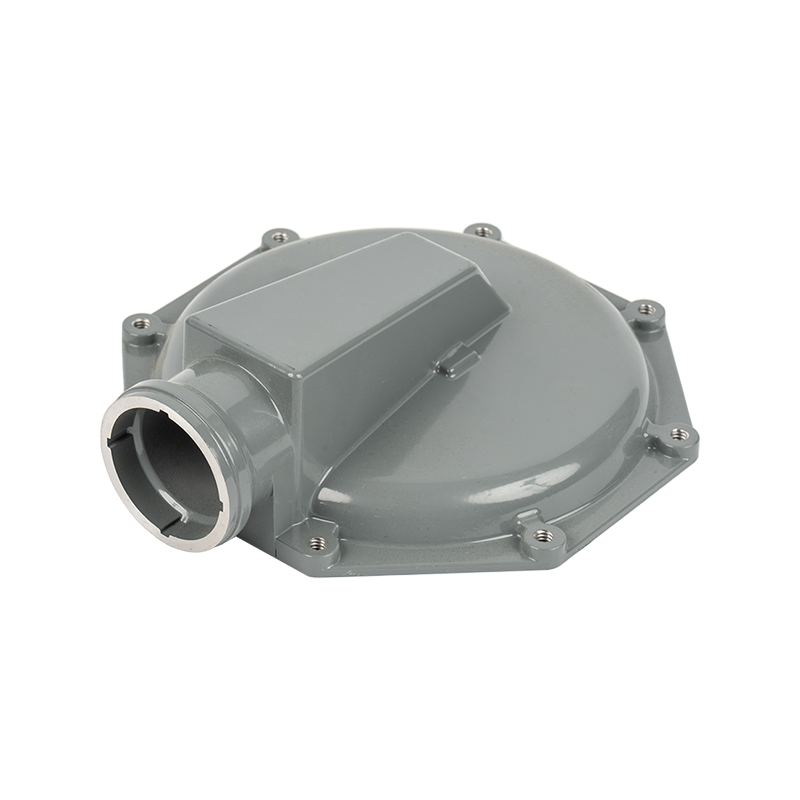
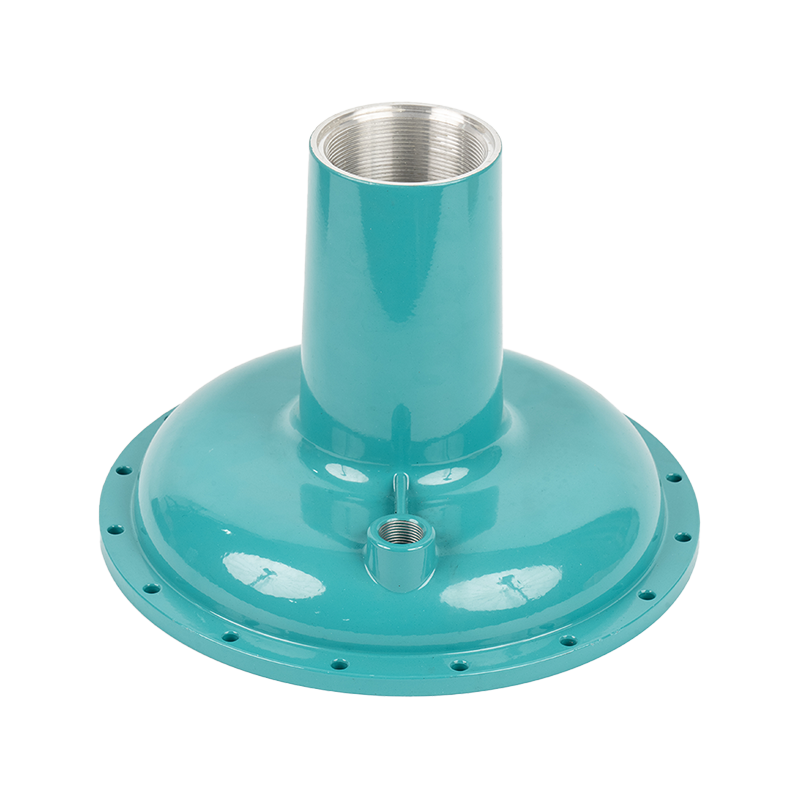
When evaluating a valve, ask how the body was cast, what alloy was used, and how the sealing faces were finished. If you are sourcing valves for a product line or OEM project, explore our pressure reducing valve housings to see how housing design connects to real-world performance.
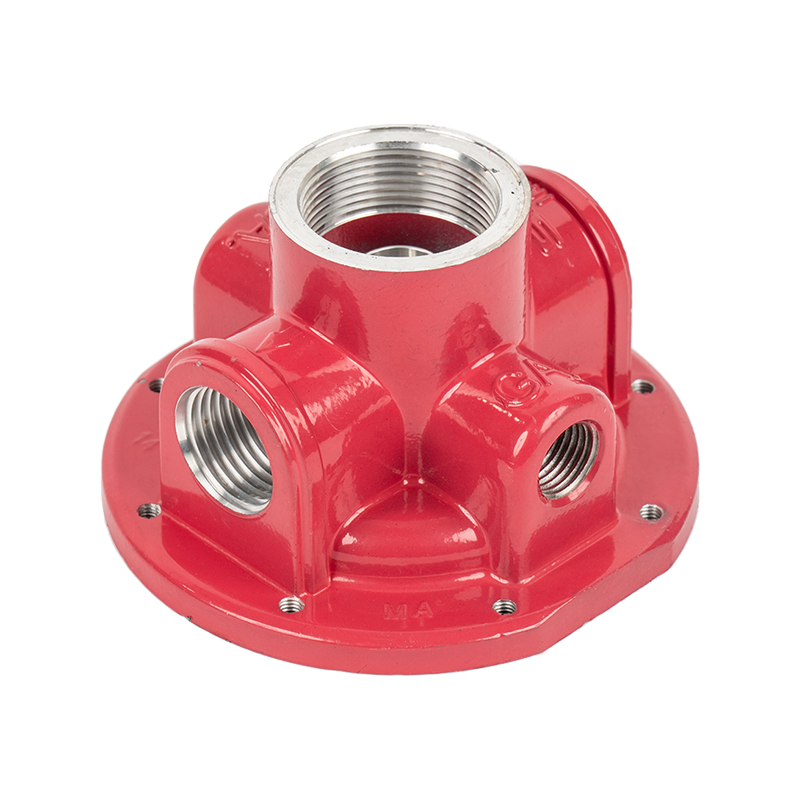 Pressure Reducing Valve Housing Manufacturers, SuppliersCHIP MACHINERY CO., LTD. is China Pressure-Reducing Valve Casting Manufacturers and Aluminum Alloy Pressure Reducing Valve Housing Suppli...View Product →
The Bottom Line: Making Your Decision
Here is the entire evaluation condensed into two short checklists.
Install or replace a PRV if:
- Measured static pressure exceeds 80 psi, especially above 100 psi.
- Water hammer, leaking fixtures, or a weeping relief valve keeps recurring.
- An appliance warranty requires inlet pressure at or below a set limit.
- Local building code demands a PRV for new work or renovations.
- Plumbing renovations are already underway, making added labor cost minimal.
You can reasonably skip the PRV if:
- Static pressure holds steady in the 60 to 70 psi range.
- The piping system is recent and visibly in good condition.
- No sensitive equipment is at risk and no warranty or code demands a lower pressure.
The money math is simple. A quality PRV costs $50 to $150, and installation typically adds $150 to $300. A single burst hose can cause thousands in water damage. The valve is one of the least expensive protections in any plumbing system.
After installation, check the valve once a year. Most units have an adjustment screw and a test port. Confirm downstream pressure with a gauge at a nearby fixture and adjust in small increments if the pressure has drifted. A few minutes per year keeps that protection reliable for decades.