English
  中文简体
中文简体 
Content
- 1 Material Selection Guidance for aluminum die casting alloys
- 2 Process Parameters Controlled During Production
- 3 Surface Finishing Options for die cast aluminum alloys Components
- 4 Typical Components Produced Using die casting alloys aluminum
- 5 Frequently Asked Questions About aluminum die casting alloys
- 6 Quality Control Standards Applied to Every Batch
- 7 Working With Our Facility on Custom Projects
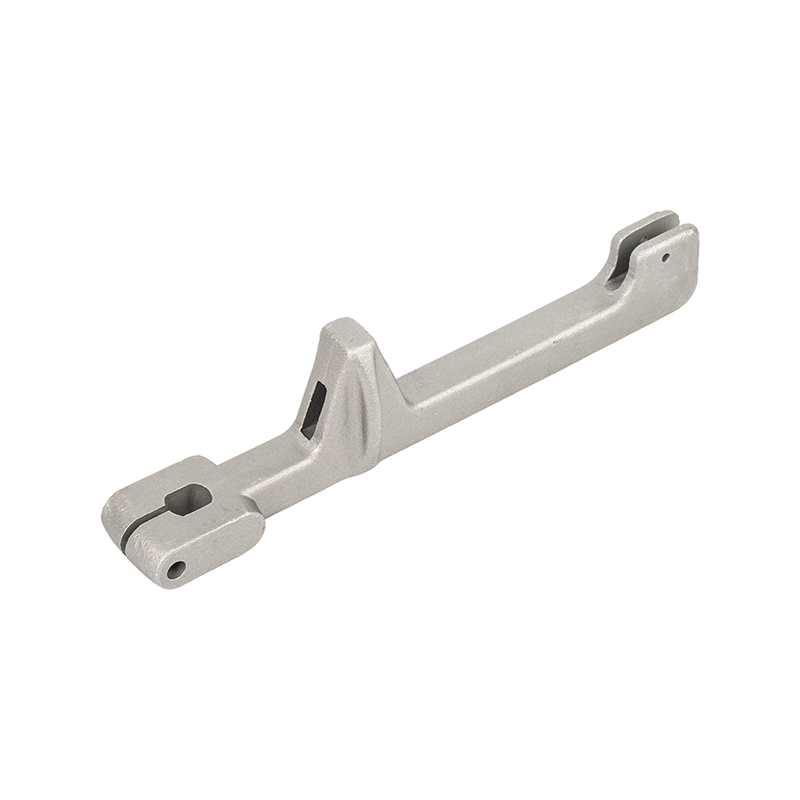
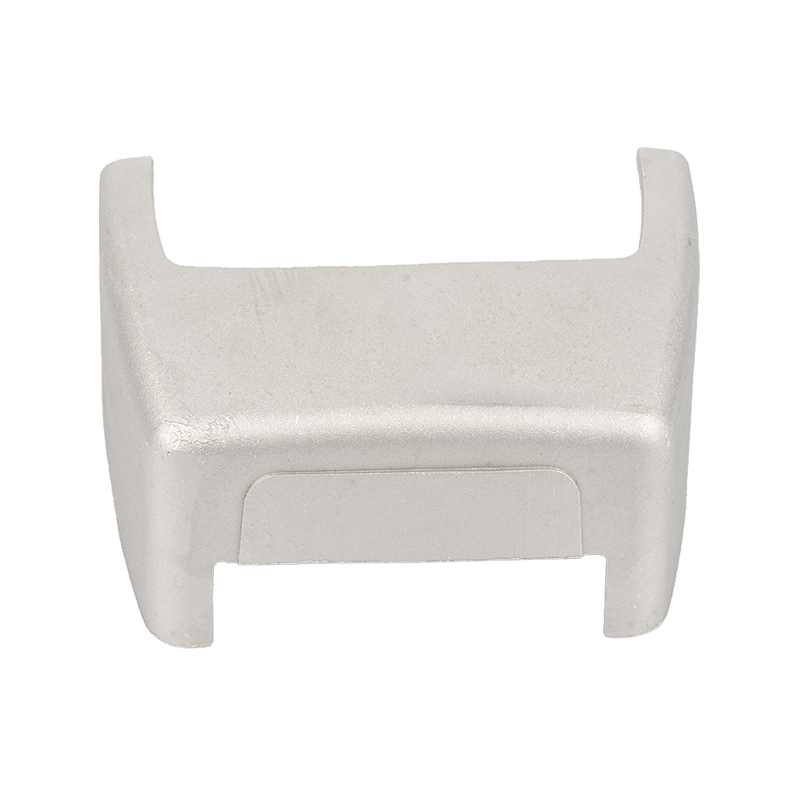
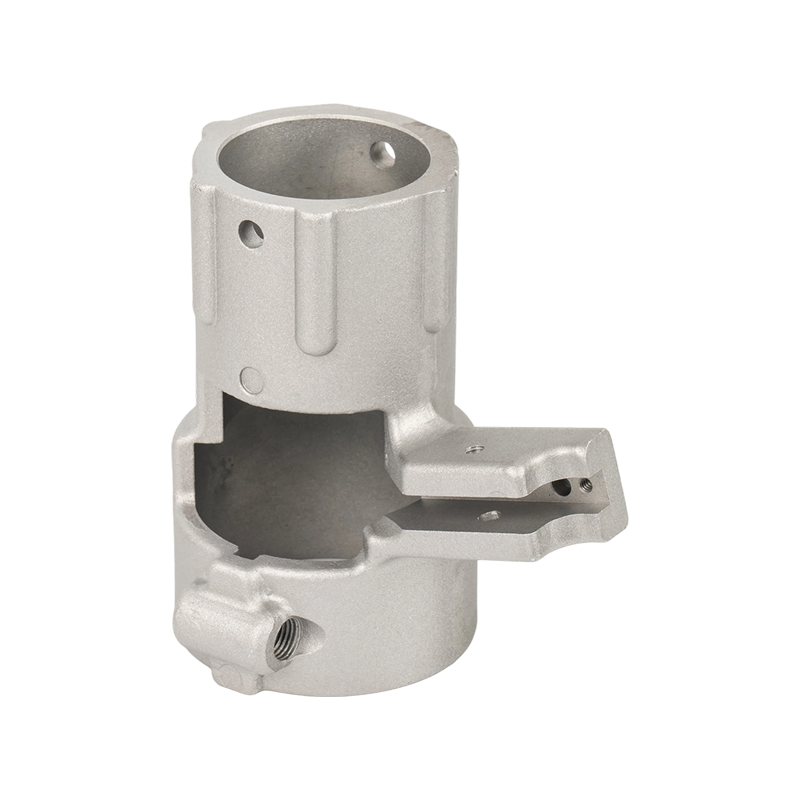
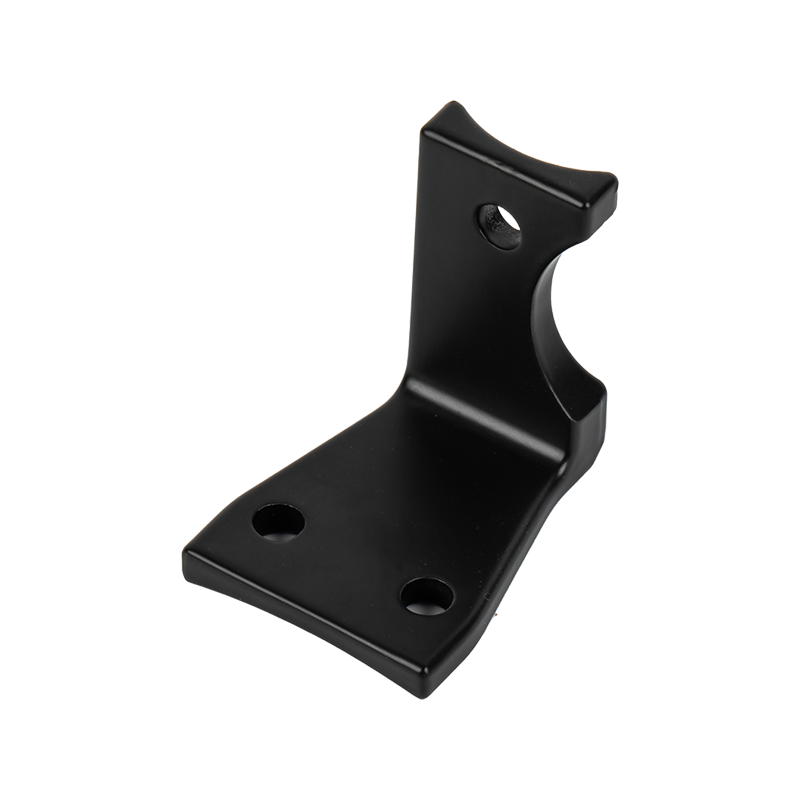
As a manufacturing facility specializing in precision aluminum alloy die casting, our production line covers everything from mold design, high-pressure injection, trimming, machining, to surface finishing. Every component leaving our factory is produced under strict process control, ensuring that customers sourcing die cast aluminum alloys parts receive consistent dimensional accuracy, mechanical strength, and surface quality across every production batch.
Material Selection Guidance for aluminum die casting alloys
Choosing the correct alloy grade directly determines the performance of the final component. Our engineering team works with customers during the early design stage to recommend the most suitable die casting alloys aluminum grade based on wall thickness, load requirements, corrosion exposure, and post-processing plans. Below are the material profiles our facility processes most frequently, organized by their functional advantages rather than raw chemical data alone.
Best for Thin-Wall Complex Housings
Preferred when a common die cast aluminum alloy needs to fill long, thin cavities without cold shut defects. Frequently selected for automotive brackets, gearbox covers, and consumer electronics enclosures.
Best for Structural Load-Bearing Parts
Selected for components subjected to repeated mechanical stress, such as motor housings, pump bodies, and mounting brackets requiring stable dimensional performance under vibration.
Best for Uneven Wall Sections
Applied to parts with mixed thick and thin sections, reducing hot tearing risk while maintaining smooth transitions in geometry-heavy designs.
Best for Corrosion-Resistant Applications
Chosen for outdoor lighting fixtures, marine-adjacent hardware, and humid-environment enclosures where long-term surface integrity matters more than raw strength.
Process Parameters Controlled During Production
Consistency in aluminum alloy die casting output depends heavily on controlling injection speed, mold temperature, and cooling cycles. Our facility monitors these variables in real time to avoid porosity, flash, and dimensional drift across long production runs.
| Injection Pressure Range | 15 MPa – 150 MPa depending on part geometry |
| Mold Temperature | 180°C – 220°C |
| Pouring Temperature | 620°C – 680°C |
| Minimum Wall Thickness Achievable | 0.8 mm – 1.2 mm |
| Standard Dimensional Tolerance | ±0.05 mm – ±0.15 mm depending on part size |
| Typical Cycle Time | 30 – 90 seconds per shot |
Surface Finishing Options for die cast aluminum alloys Components
Beyond casting, most components require secondary finishing to meet functional or aesthetic requirements. Our facility offers in-house and partnered finishing lines so customers can specify the exact surface condition needed for their application.
Anodizing
Improves wear resistance and allows color dyeing, commonly requested for visible consumer-facing parts.
Powder Coating
Provides a durable, uniform coating suitable for outdoor housings and industrial equipment covers.
Chromate Conversion
Adds a protective conductive layer, often selected for parts requiring electrical grounding.
Precision Machining
Applied to mating surfaces, threaded holes, or sealing faces requiring tolerances tighter than as-cast capability.
Shot Blasting / Polishing
Removes parting lines and surface imperfections, preparing parts for coating or direct assembly.
Passivation
Enhances corrosion resistance for parts destined for humid or chemically exposed environments.
Typical Components Produced Using die casting alloys aluminum
Our production capacity spans a wide range of industries. The examples below reflect the categories of parts our facility regularly manufactures using aluminum die casting alloys, based on customer specifications and application drawings.
Automotive Structural Brackets
Transmission housings, engine mounts, and sensor brackets requiring high dimensional repeatability.
LED Lighting Housings
Heat-dissipating enclosures benefiting from the thermal conductivity of common die cast aluminum alloy materials.
Telecommunication Enclosures
Weatherproof housings for outdoor signal equipment requiring corrosion-resistant finishing.
Industrial Motor Covers
Components subjected to vibration and thermal cycling during continuous equipment operation.
Robotics & Automation Parts
Lightweight structural arms and joint housings where strength-to-weight ratio is critical.
Medical Device Housings
Precision-machined enclosures meeting strict surface finish and cleanliness requirements.
Frequently Asked Questions About aluminum die casting alloys
Is cast aluminum alloy die cast, or are they separate processes?
Cast aluminum alloy refers to the material itself, while die casting is one of several methods used to shape that material. When a common die cast aluminum alloy is injected into a steel mold under high pressure, the resulting part is both cast and die cast — the terms describe the material and the process respectively, not two different products.
What is the minimum order quantity your facility accepts?
Order volume depends on tooling investment and part complexity. Our team evaluates each drawing individually and provides a production plan matching the customer's volume needs, from prototype runs to continuous high-volume output.
How long does tooling development take before production starts?
Standard mold development for aluminum alloy die casting typically requires several weeks, depending on part complexity, cavity count, and whether slides or lifters are needed for undercuts.
Can porosity be eliminated completely in die cast aluminum alloys parts?
Porosity can be significantly minimized through optimized gating design, vacuum-assisted casting, and controlled injection speed, though some microporosity is inherent to the high-pressure die casting process. Critical sealing surfaces are typically machined or treated to address this.
Do you provide material certification for each production batch?
Yes, spectrometer analysis reports and mechanical property test results are available for each batch upon request, confirming the chemical composition of the die casting alloys aluminum used.
Quality Control Standards Applied to Every Batch
| Chemical Composition Verification | Spectrometer analysis per batch |
| Internal Density Inspection | X-ray or ultrasonic testing on critical parts |
| Dimensional Inspection | CMM measurement against approved drawings |
| Surface Roughness Testing | Profilometer verification for finished surfaces |
| Salt Spray Resistance Testing | Available for corrosion-critical applications |
| Management System Certification | ISO 9001 compliant production workflow |
Working With Our Facility on Custom Projects
Customers bringing new designs to our facility receive support at every stage — from initial DFM (design for manufacturability) review through first-article inspection. Because we operate our own tooling shop alongside the casting floor, adjustments to mold design based on early sample results can be implemented quickly without routing through outside vendors. This integrated setup allows our team to maintain tighter control over lead time and part consistency when producing aluminum die casting alloys components for new product launches.
For projects requiring a blend of casting, machining, and finishing under one roof, our engineering staff can recommend the most cost-effective combination of common die cast aluminum alloy material and secondary processing based on the functional requirements of the part, helping customers move from drawing to finished component with fewer handoffs and clearer communication throughout production.