English
  中文简体
中文简体 
Content
- 1 Wrought Alloys versus Cast Alloys: Start Here
- 2 The Alloy Numbering System: Reading a Grade at a Glance
- 3 The Six Wrought Alloys You Will See in Every Quote
- 4 Why 6061 Is the Most Commonly Used General-Purpose Alloy
- 5 Die Casting Alloys: The Answer Changes in a Foundry
- 6 A Practical Selection Framework for Your Component
- 7 Sourcing Custom Cast Aluminum Parts: What to Verify Before You Order
- 8 Frequently Asked Questions
- 8.1 What is the most commonly used aluminum alloy overall?
- 8.2 What is the difference between 6061 and 3003?
- 8.3 Can 6061 aluminum be die cast?
- 8.4 Which aluminum alloy is best for saltwater environments?
- 8.5 Is ADC12 the same as A380?
- 8.6 How do I choose between 6061-T6 and 7075-T6?
- 8.7 What is the best aluminum alloy for CNC machining?
- 9 Final Takeaway: Match the Alloy to the Process
Ask five metal suppliers which aluminum alloy is the most commonly used, and you will probably receive five different answers. The confusion is not a lack of data. It is a matter of perspective. Across machined structural components, 6061 is the default grade. Across rolled sheet used for tanks, enclosures and cookware, 3003 leads. Inside a pressure die casting facility, the workhorse is A380, better known in Asia as ADC12 and in Europe as AlSi8Cu3Fe. The most useful answer for an engineer is therefore not a single alloy number, but a clear view of which alloys dominate each process and why.
This article breaks down the aluminum alloy system, compares the grades you will actually encounter in quotations and drawings, and explains how to select the right material for your component. It ends with practical sourcing advice for machined and die-cast parts, including the quality checks that separate a reliable casting partner from a low-cost one.
Wrought Alloys versus Cast Alloys: Start Here
Aluminum alloys are first divided by the route used to shape them. Wrought alloys are rolled, extruded, forged or drawn into solid forms, and then further processed. Cast alloys are melted and poured into a mold. The distinction matters because composition limits differ. A wrought alloy like 6061 can be rolled into sheet or extruded into profiles, but it is difficult to cast. A die-cast alloy like A380 has excellent fluidity in the mold, but it is not available as a standard rolled sheet.
Each family is then split into heat-treatable and non-heat-treatable groups. Non-heat-treatable alloys, which include the 1000, 3000 and 5000 series, gain strength from strain hardening during rolling, drawing or cold working. Heat-treatable alloys, such as the 2000, 6000 and 7000 series, are strengthened by a solution heat treatment followed by artificial aging, often ending in a temper such as T6. This temper step can raise yield strength by a factor of two to three compared with the annealed condition, which is why the same grade number can appear in very different applications.
This distinction explains why a sheet supplier and a die casting supplier will give you different answers to the same question. They are reporting the alloy that performs best in their own process. The full aluminum casting process, from melting to finishing, is covered in our guide to aluminum casting; here we focus on the materials themselves.
The Alloy Numbering System: Reading a Grade at a Glance
Most commercial aluminum grades follow the four-digit Aluminum Association system. The first digit identifies the principal alloying element. The table below summarizes the eight wrought series and the message each number carries.
| Series | Principal Alloying Element | Strengthening Method | Typical Applications |
|---|---|---|---|
| 1xxx | None (99% minimum aluminum) | Cold working | Electrical conductors, chemical tanks, reflectors |
| 2xxx | Copper | Heat treatment | Aerospace structures, fasteners, high-strength machined parts |
| 3xxx | Manganese | Cold working | Cooking utensils, storage tanks, heat exchanger fins |
| 4xxx | Silicon | Heat treatment (some) | Welding wire, brazing sheet, architectural extrusions |
| 5xxx | Magnesium | Cold working | Marine hardware, pressure vessels, automotive body panels |
| 6xxx | Magnesium + Silicon | Heat treatment | Structural frames, machinery, automotive parts, ladders |
| 7xxx | Zinc | Heat treatment | Aerospace fittings, high-performance sporting goods, mold tooling |
| 8xxx | Other elements (lithium, iron, etc.) | Varies | Special applications, foil, packaging |
Cast alloys use a different shorthand. The Aluminum Association lists casting grades with a leading letter such as A356 or A380, where the letter identifies minor composition variants. Japanese and Asian die casters use the ADC designation, so ADC12 is chemically similar to A380. European standards often refer to the same material as AlSi8Cu3Fe, which describes the nominal silicon, copper and iron content directly. When you receive an international quotation, check which standard is being referenced before comparing compositions across suppliers.
The Six Wrought Alloys You Will See in Every Quote
The market is broad, but a small set of grades covers the great majority of machined and sheet components. These six appear constantly in engineering drawings and supplier catalogs.
1100
Commercially pure aluminum with exceptional corrosion resistance, thermal conductivity and formability. Strength is low, so it is used where forming depth, electrical or thermal performance matters more than load bearing.
- Typical yield strength: 34 MPa (O temper)
- Foil, reflectors, nameplates, chemical equipment
3003
The most common 3000-series grade. Manganese adds roughly 20% more strength than 1100 while retaining formability and weldability.
- Typical yield strength: 145 MPa (H14)
- Storage tanks, heat exchangers, kitchenware
5052
The strongest of the common non-heat-treatable alloys. Excellent corrosion resistance in marine environments and good fatigue strength.
- Typical yield strength: 193 MPa (H32)
- Fuel tanks, marine hardware, pressure vessels
6061
The best-balanced general-purpose grade. Heat-treatable, weldable, machinable and available in nearly every product form. This is the alloy most machine shops reach for by default.
- Typical yield strength: 276 MPa (T6)
- Frames, automotive brackets, precision-machined parts
6063
Lower strength than 6061 but far better extrusion speed and surface quality. The standard choice for architectural profiles and decorative finishes.
- Typical yield strength: 214 MPa (T6)
- Window frames, handrails, LED heat sinks
7075
The high-strength option. Zinc gives near-steel strength in T6 condition, but machinability and corrosion resistance are harder to manage, and cost is higher.
- Typical yield strength: 503 MPa (T6)
- Aerospace fittings, mold bases, competition bike parts
From a purchasing perspective, the six grades above answer most of the demand for aluminum in sheet, plate, bar, tube and profile form. When a drawing calls for "aluminum" without a grade, 6061-T6 is the safest default for machined parts, and 3003 is the sensible default for sheet metal work. The gap between those two defaults is where most material-selection errors happen.
Why 6061 Is the Most Commonly Used General-Purpose Alloy
If one grade has to carry the title "most commonly used aluminum alloy," 6061 is the strongest candidate for machined and structural components. The alloy contains 0.4-0.8% silicon and 0.8-1.2% magnesium, which form magnesium silicide during artificial aging. That precipitation-hardening mechanism produces a yield strength around 276 MPa in the T6 temper, roughly triple that of annealed 1100, while keeping elongation above 12%.
The practical advantages explain its dominance. 6061 welds well with most standard filler wires, machines cleanly, and can be anodized to a reasonably consistent finish. It is available as plate, bar, tube, extrusion and forging. Supply chains are deep, so lead times and prices remain stable. Designers also appreciate its predictable response to secondary operations such as drilling, tapping and CNC milling.
Temper designations matter when comparing quotes. A 6061-T6 bar and a 6061-T4 bar have different yield strengths, different machinability and different final hardness, even though the composition is identical. If your supplier quotes "6061" without a temper, ask for the full designation. For structural and machined components, T6 is the dominant specification. For formed sheet parts, O or H tempers may be more appropriate, and specifying the wrong one can cause cracking during bending or stripping during thread forming.
The common comparison for architecture is 6063, which trades strength for extrusion speed and surface quality. The table below shows where the two grades differ.
| Property (T6 Temper) | 6061-T6 | 6063-T6 |
|---|---|---|
| Tensile strength | ~310 MPa | ~241 MPa |
| Yield strength | ~276 MPa | ~214 MPa |
| Elongation at break | 12-17% | 12-18% |
| Extrusion speed | Moderate | High |
| Anodizing appearance | Good | Excellent |
| Typical machined parts | Brackets, housings, valves | Profiles, rails, trim |
The distinction matters when you source machined housings or structural brackets. A 6061-T6 part carries almost 30% more yield strength than the equivalent 6063-T6 part, so switching grades without changing geometry changes the mechanical performance of the final product. If the drawing does not state the requirement, the cheapest quote often wins, and the installed product may not survive the intended service loads.
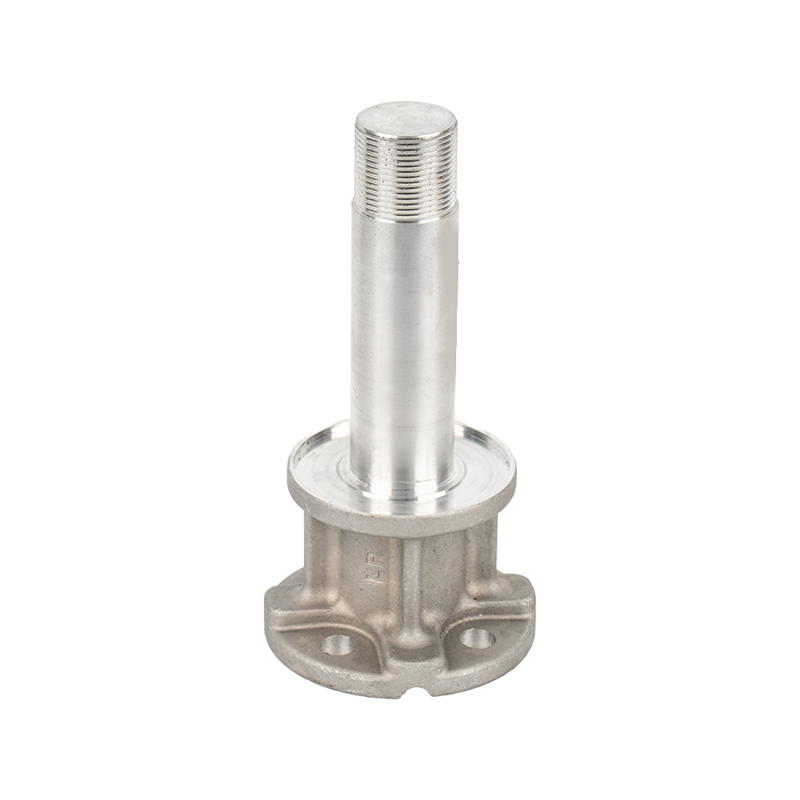
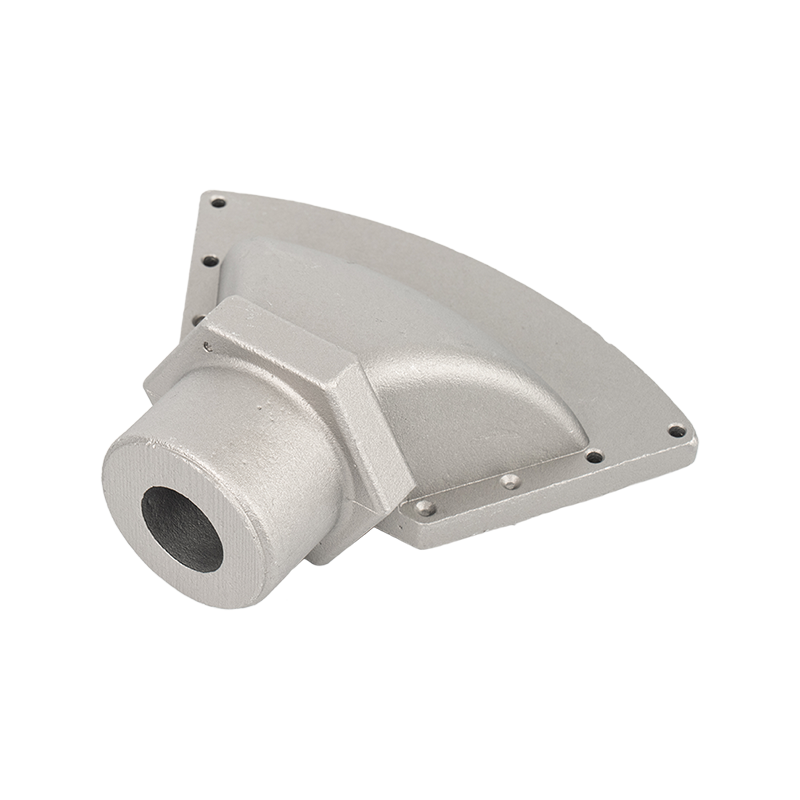 High-Strength Aluminum Alloy Castings for Structural ComponentsThis casting option highlights A380 (ADC12) alloy, whose high silicon content delivers excellent fluidity for thin-wall die casting, while copper adds hardness and machinability—ideal for housings, brackets, and pump parts.View Product →
Die Casting Alloys: The Answer Changes in a Foundry
When the component is produced by pressure die casting rather than machining, the most common aluminum alloy is A380, also designated ADC12. A380 combines high silicon, copper and aluminum with small amounts of iron, manganese and magnesium. The silicon content of roughly 8% gives the molten metal excellent fluidity, which is essential for filling thin-wall cavities. The copper addition raises hardness and machinability. The result is a versatile alloy that covers housings, brackets, pump parts and structural enclosures.
Casting grades differ from wrought grades because the requirements are different. A die casting alloy must resist hot tearing during solidification, must not react excessively with steel dies, and must flow easily at the filling stage. Pure aluminum and many wrought compositions perform poorly in those conditions. That is why you will not see 6061 specified for a conventional pressure die casting process; it solidifies with too much shrinkage and porosity risk. When designers need wrought-grade properties, they machine the part from bar or plate instead of attempting to cast it.
Common die casting grades include:
- A380 / ADC12 - the general workhorse with good strength, pressure tightness and thermal conductivity.
- A383 / ADC10 - slightly higher silicon content for even better fluidity on geometrically complex parts.
- A360 - higher corrosion resistance and better pressure tightness for hydraulic and pneumatic components.
- A356 / A357 - heat-treatable casting alloys used where ductility and structural approval matter, usually in low-pressure or gravity casting.
- AlMg5Si2 (518 family) - an aluminum-magnesium alloy with the best corrosion resistance that can also be anodized, although magnesium-rich alloys need special handling during melting.
| Alloy | Tensile Strength (MPa) | Yield Strength (MPa) | Elongation (%) | Typical Application |
|---|---|---|---|---|
| A380 / ADC12 | ~324 | ~159 | 3.5 | Enclosures, brackets, power-tool housings |
| A383 / ADC10 | ~310 | ~152 | 3.5 | Thin-wall complex housings |
| A360 | ~317 | ~165 | 4.0 | Pneumatic and hydraulic components |
| A356-T6 | ~262 | ~186 | 6.0 | Structural castings, wheel rims, brackets |
| AlMg5Si2 | ~270 | ~140 | 12.0 | Marine and food-contact components |
The decision between A380 and A356 often comes down to wall thickness and ductility. A380 fills thin sections and complex geometries with fewer defects, so it dominates high-volume housings and frames. A356, after T6 heat treatment, offers roughly six to ten times more elongation, which matters for parts that must deform rather than crack under impact or vibration. A casting supplier that understands both families can recommend the right one before tooling is cut, which avoids expensive die modifications later.
For a manufacturer of custom die castings, the alloy decision is usually made early in the quotation phase. The drawing may specify a wrought grade, but if the part geometry was designed for casting, the customer's engineering team will usually approve an equivalent casting grade such as A380 or A356. That substitution must be verified against pressure requirements, corrosion exposure and post-casting finishing needs.
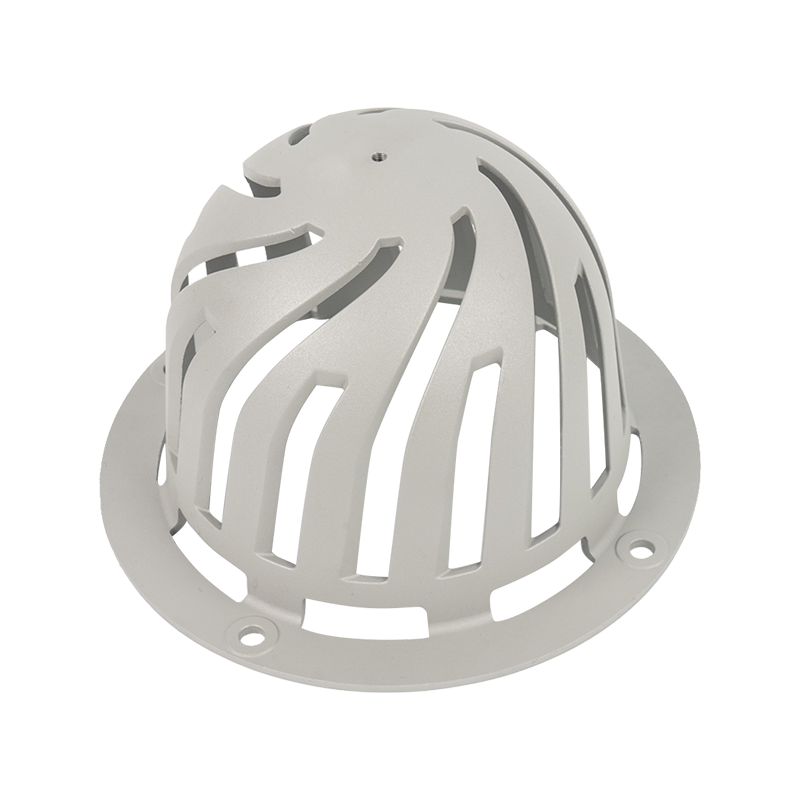
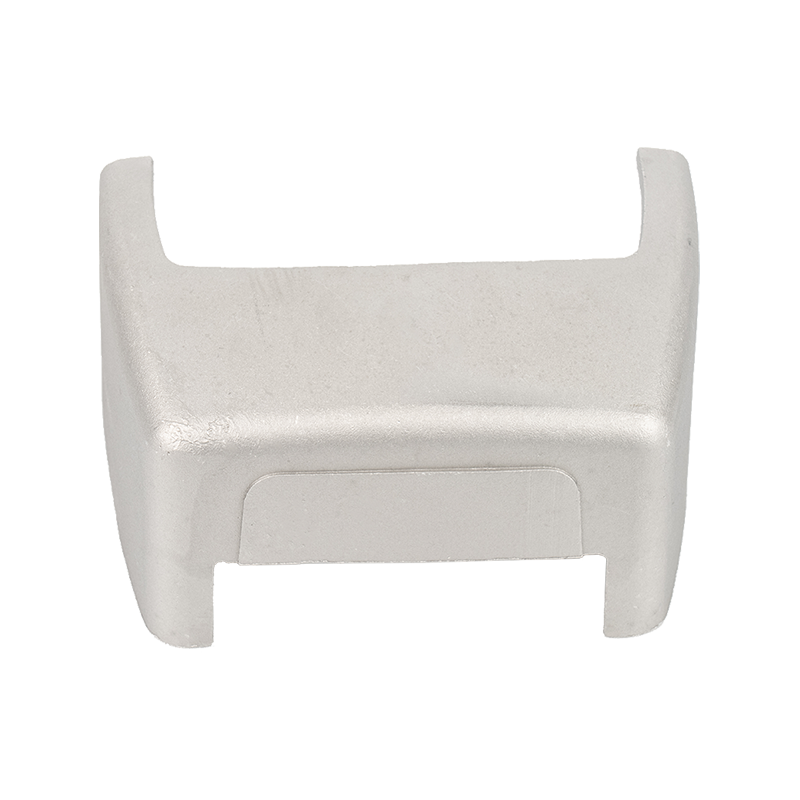 Aluminum-Zinc Alloy Corrosion-Resistant CastingsEngineered for demanding environments, this aluminum-zinc casting offers corrosion resistance and structural strength. It suits outdoor or mildly corrosive applications and supports custom geometry through precision die casting and CNC finishing.View Product →
A Practical Selection Framework for Your Component
Instead of memorizing a single "most common" answer, engineers should compare the load, the environment and the production route. The chart below shows approximate yield strength for the grades discussed so you can see the range at a glance.
Strength is only one axis. The following checklist captures the questions a sourcing engineer should ask before fixing the grade.
- Mechanical loading: Static, cyclic, impact or shock loads. Higher stress usually pushes you toward 6xxx or 7xxx wrought grades, or heat-treated cast grades such as A356-T6.
- Exposure environment: Salt air, humidity, industrial chemicals or food contact. Non-heat-treatable 5xxx alloys and A360 castings lead in corrosion performance.
- Operating temperature: Aluminum retains strength well at low temperatures, but above 150°C creep becomes relevant. Verify the temper and the coating for hot applications.
- Production route: Sheet metal fabrication uses 3xxx and 5xxx; extrusion uses 6xxx; machining from plate covers 6061 and 7075; pressure die casting uses A380, A383 or A360.
- Joining: Welding favors 6061, 5052 and 3003. Some 7xxx alloys are difficult to weld and require special filler material.
- Surface requirement: Anodizing quality differs by alloy. 6063 and 5052 anodize to a clean bright finish; high-copper alloys do not.
- Cost and availability: 3003 and 6061 have the deepest supply chains and the lowest premiums. 7075 and specialty casting alloys cost more and may carry longer lead times.
This framework works for both wrought and cast components. The goal is not to chase the highest number, but to match the material to the dominant failure risk. A valve housing that must resist pressure cycling needs good fatigue strength and pressure tightness; a cosmetic exterior bracket needs corrosion resistance and a clean anodized finish. Writing the requirement down as a sentence usually reveals which alloy family is appropriate faster than scanning a property table.
Sourcing Custom Cast Aluminum Parts: What to Verify Before You Order
Once you have chosen an alloy, the supplier's quality system determines whether the delivered parts match the specification. In custom aluminum die casting, four areas need attention before you commit to a production order.
Material Certification
Ask for a certificate that states the alloy composition and the standard used. A reputable casting plant verifies each heat with an optical emission spectrometer and keeps records for traceability. If your product is subject to automotive requirements, the plant's quality system should follow IATF 16949, not just a general ISO 9001 certificate. The two standards differ significantly in how much process control and documentation are expected from the supplier.
Porosity and Pressure Tightness
Porosity is the most common defect in pressure die castings. It appears when trapped gas or shrinkage voids open during solidification. For sealing components such as valve bodies and compressor housings, specify a porosity class, a leak test pressure and an acceptable leak rate. Components that look identical on the surface can fail badly under pressure once installed, so the acceptance criteria must be written into the purchase order, not assumed.
Dimensional Tolerances and Machining Allowance
Die casting holds reasonable tolerances, but machining is usually needed for critical faces, threaded holes and bearing bores. Discuss with the supplier where the machining stock should be kept and how the part will be located in the fixture. A good supplier will run the casting and machining process with the same datum system to avoid stack-up error. This becomes even more important when the casting is one part of a larger assembly that includes purchased bearings, seals or electric motors.
Finishing and Secondary Operations
Anodizing, powder coating, chromate conversion, deburring, tumbling and pressure testing all change the cost and the lead time of a casting project. Confirm whether the supplier handles secondary operations internally. A vertically integrated plant can reduce logistics risk and communicate quality issues faster than a network of subcontractors. If you want to assess a supplier without booking a flight, a virtual tour of the production floor is a useful first filter. You can take a virtual plant tour here to see how a custom die casting workshop is organized from mold making to final cleaning.
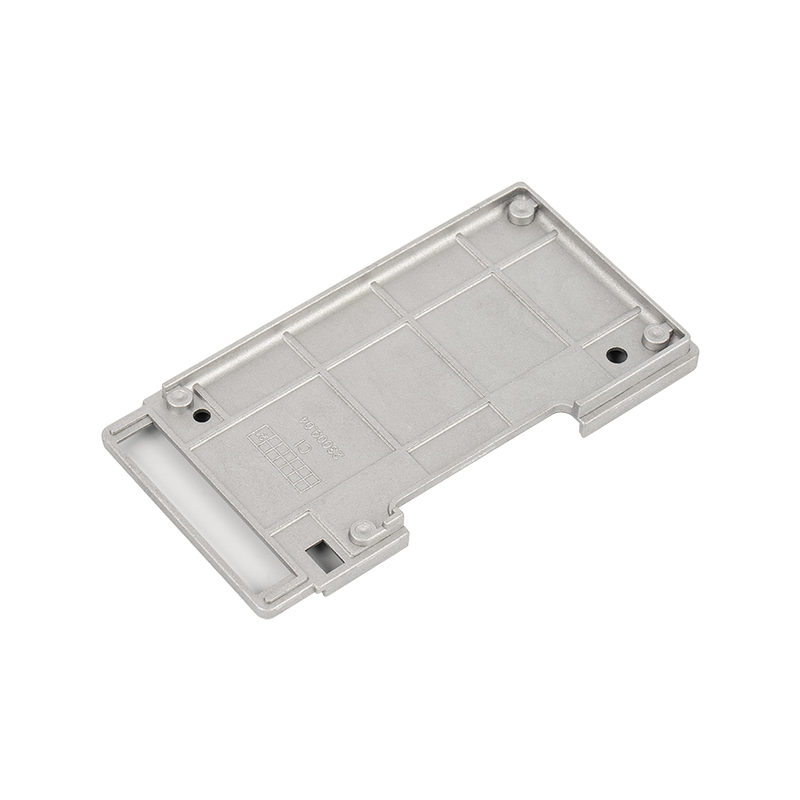
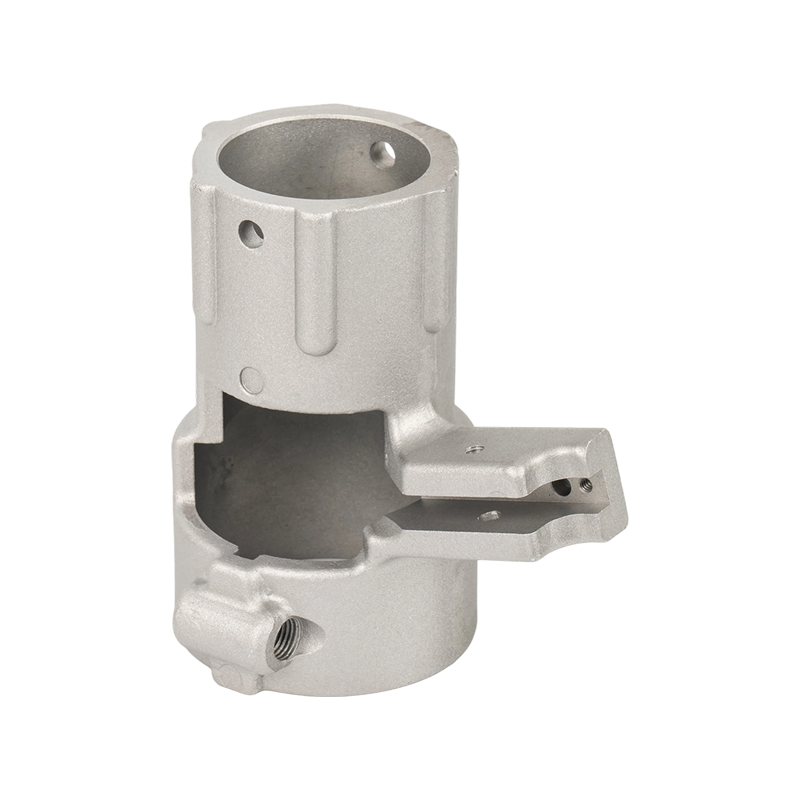
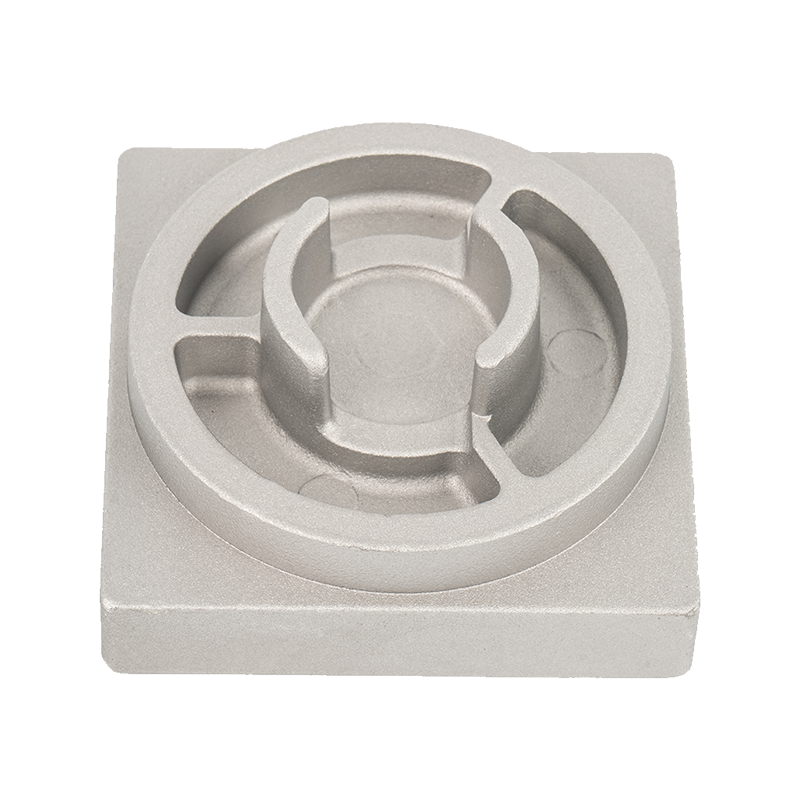 Precision Aluminum Alloy Cast Parts with Secondary OperationsThese cast parts emphasize high-precision custom manufacturing, integrating die casting with CNC machining, drilling, and tapping. Surface treatments like powder coating or plating enhance durability, supporting complex assemblies and strict quality standards.View Product →
Frequently Asked Questions
What is the most commonly used aluminum alloy overall?
For machined and structural components, 6061 is the most commonly used aluminum alloy. For sheet and rolled stock, 3003 is the leading grade. In pressure die casting, A380, also known as ADC12, is the most widely used alloy. The answer depends on the production process.
What is the difference between 6061 and 3003?
6061 is a heat-treatable alloy with about twice the yield strength of 3003 in standard tempers. 3003 is a non-heat-treatable alloy chosen for superior formability and corrosion resistance in sheet applications. 6061 is typical for machined parts, while 3003 dominates tanks, ducting and cookware.
Can 6061 aluminum be die cast?
Conventional pressure die casting of 6061 is not recommended because the alloy solidifies with excessive shrinkage and porosity. Designers who require 6061-level strength either machine the part from bar, plate or extrusion, or specify a casting alloy such as A356 that can be heat-treated to comparable strength levels.
Which aluminum alloy is best for saltwater environments?
Among common alloys, 5052 and other 5xxx magnesium-aluminum alloys offer the best corrosion resistance. For cast components, A360 or aluminum-magnesium casting alloys are preferred when marine exposure is expected. Anodizing or powder coating further extends service life.
Is ADC12 the same as A380?
ADC12 is the Japanese designation for a die casting alloy chemically similar to A380. Both contain approximately 8% silicon and 3% copper. Minor differences in iron and manganese limits can affect ductility and die soldering behavior, so confirm the exact standard before international sourcing.
How do I choose between 6061-T6 and 7075-T6?
Choose 6061 when cost, weldability and corrosion resistance matter, and the stresses are moderate. Choose 7075 only when the design demands substantially higher strength, such as aerospace or high-end sporting goods. 7075 costs more, is harder to machine, and requires protective coatings in corrosive environments.
What is the best aluminum alloy for CNC machining?
6061-T6 is the best all-around choice for CNC machining because it combines good strength, excellent chip formation and wide availability. 7075-T6 offers higher strength but wears tools faster and costs more. For very high production runs, free-machining grades such as 2011 or 6020 can reduce cycle time, but they sacrifice corrosion resistance or strength.
Final Takeaway: Match the Alloy to the Process
The most commonly used aluminum alloy is not a fixed number written in a handbook. It is the grade that best matches the production route and the service condition of your part. 6061 is the standard for machined structural work. 3003 is the standard for forming and sheet fabrication. A380 is the standard for high-volume pressure die casting. Knowing which question you are really answering, whether it is structural strength, sheet formability or castability, is worth more than memorizing any single grade number.
When your project moves from prototype into volume production, the material conversation should include the foundry, not just the design office. An experienced casting manufacturer can advise on alloy substitutions, temper options, porosity limits and finishing routes that save money without compromising performance. If you are evaluating a custom casting supplier, bring the drawing and the operating environment. The right alloy choice, documented and verified, is the difference between components that survive field service and components that generate warranty claims.